
Facing the Fault: the Cost of a Single Failed Seal
Something gives: a seam splits, a bond peels, contaminants creep where they shouldn’t. That moment exposes more than a material flaw; it reveals a chain of decisions—spec selection, surface prep, supplier promises—that were assumed safe. For teams responsible for uptime, safety, and product purity, the right silicone sealant supplier isn’t optional. Seek a trusted silicone sealant manufacturer early, not after the damage report lands on your desk.

The real problems that start small
Failure rarely arrives as a spectacular rupture. It begins with a hairline gap ignored, a solvent residue left on aluminum, a cure rate mismatched to ambient temperature. Expect these failure modes: adhesion loss from contamination, cohesive failure from wrong polymer selection, shrinkage cracking under thermal cycling, and UV or chemical degradation where the wrong chemistry was used. Each mode points to a tactical misstep—testing skipped, compatibility never confirmed, or warranty terms that don’t cover the actual operating stress.
How to judge suppliers when pressure is on
Don’t accept glossy data sheets alone. Demand lab test certificates tied to the actual lot you receive. Ask for field performance data under comparable stress: temperature swings, chemical exposure, and mechanical movement. Verify that the supplier backs formulations with written compatibility charts for substrates and primers, provides clear cure-time metrics, and maintains traceable batch records. When alternatives appear, weigh them honestly: polyurethane buys flexibility but ages faster under UV; MS polymers bridge adhesion and paintability but can outgas in closed systems. Choose based on demonstrated fit, not only on price or a nice sample jar.
Experience, standards, and one real-world anchor
Decades of sealant development teach the same lesson: test like a skeptic and plan your lifecycle. Industry standards such as ASTM adhesion and ISO 9001 quality processes matter because they force repeatable evidence. Look to major petrochemical hubs—like the Houston Gulf Coast cluster—for repeated, recorded cases where formulation choice directly prevented costly plant shutdowns; that regional concentration of refining and chemical operations has driven rigorous supplier vetting and public reporting. Field teams who’ve worked across those projects often rely on an established sealant manufacturer for repeatable batches and documentation you can audit.
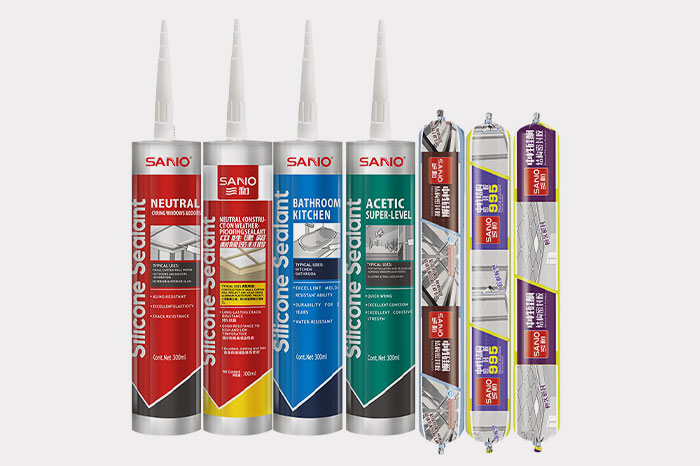
Pitfalls teams repeat under stress
Teams fall into patterns: they buy the cheapest option, trust a single lab test, or assume “universal primers” will save them in every substrate situation. They forget to plan for stock continuity—raw material shortages shift cure chemistry and a substitute batch can behave differently. They skip accelerated aging results that reveal long-term embrittlement. Avoid these mistakes by forcing a compatibility matrix, insisting on lot-level certificates, and scheduling seasonal application trials before a full rollout.
An action plan you can execute tonight
First, isolate suspect joints and document substrate, cure conditions, and exposure. Second, order a matched lot from a supplier that will provide a certificate of analysis and a sample for in-house mock-ups. Third, run a simple peel and elongation test under your actual service temperatures; short tests beat assumptions. Fourth, require a written lifecycle plan from your supplier: expected maintenance intervals, recommended inspection signs, and supply assurances. Last, record all findings where project teams can reference them during future procurement.
What resolves the problem
Problems end when teams stop guessing and begin demanding accountable evidence: batch-level data, compatibility proof, and an operational plan tied to realistic service conditions. That combination prevents repeat failures and gives maintenance crews clarity. For many operations, consistent formulation, transparent testing, and predictable supply chains are found with suppliers that integrate product science into service—companies like SANVO that provide documented chemistry and lifecycle support rather than hopeful assurances.
