
Problem diagnosis
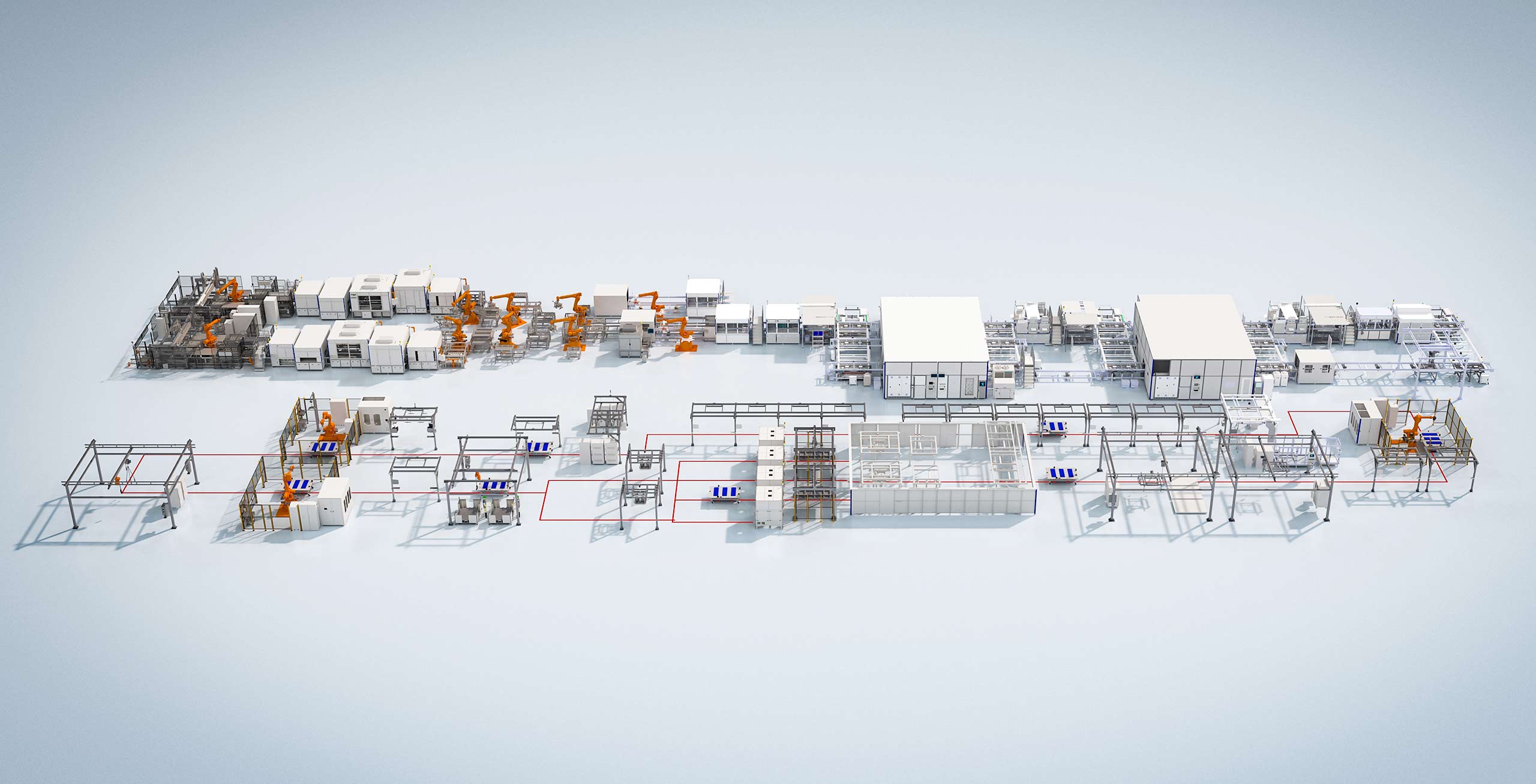
Projects for blade-style packs start with a clear aim — high energy density and compact packaging — but they often end with unpredictable costs and delayed delivery. Conversations with battery pack assembly suppliers point to a few recurring problems: unclear scope, untested layouts, and underestimated validation time. Early choices about cell layout and assembly method are crucial when adopting cell to pack battery technology, and they quickly decide whether an installation will be straightforward or budget-devouring.

Where costs concentrate
Most budgets cluster around a handful of items. Expect attention from stakeholders on:- Capital equipment: precision welders, automated handling, formation racks.- Cell sourcing and qualification: lot-to-lot variability forces extra inspection.- Integration engineering: mechanical pack design, cooling plates, fixtures.- Testing and validation: end-of-line testers, aging chambers, safety protocols.- Yield and rework: every percent point lost in yield multiplies labor and scrap.- Utilities and infrastructure: power supplies, HVAC for dry rooms, thermal management.
Process bottlenecks that inflate budgets
Several steps commonly become bottlenecks and eat time or money:- Cell receipt and sorting: manual inspection slows flow and requires buffer stock.- Welding and joining: inconsistent joints raise rework and require higher-capacity welders.- Potting and sealing: curing time dictates line takt and floor space.- Formation and aging: long aging cycles demand large-capacity racks and energy.- Final testing: complex functional and safety tests lengthen cycle time.Each bottleneck forces either higher capital investment or larger operating expense; choosing one often trades off against the other.
Design choices that shift value
Design decisions early on change project economics. A few examples:- Pack topology: longer single-plane blade packs reduce module count but demand new assembly fixtures.- Cell handling: fragile prismatic or long blade cells need tailored conveyance, raising tooling cost.- Thermal strategy: integrated cooling channels save mass but increase assembly complexity.Real-world anchor: BYD’s blade battery introduction in 2020 showed how a different cell geometry reduces vehicle-level costs but transfers engineering work and new tooling to the pack line.
Selecting suppliers and partners
Choose partners who can prove delivery under similar constraints. Evaluate:- Technical depth: can they supply both equipment and process know-how?- Track record: have they integrated blade-style cells before?- Risk sharing: who absorbs schedule slips, tooling mismatches, or cell changes?Avoid picking suppliers solely on headline price; lower capex bids can hide higher integration and validation costs.
Common pitfalls and mistakes
Teams routinely repeat the same errors:- Late cell specification freezes: changing cell format mid-project multiplies redesign cost.- Underestimating formation/aging area: not sizing racks for throughput increases lead times.- Over-automation without yield proof: automating a brittle process amplifies scrap.- Ignoring maintenance access: tightly packed lines require bigger shutdowns for upkeep.Spotting these early saves both schedule and money.
Practical levers to shape total project value
Concrete steps that affect the bottom line:- Lock cell specs early or plan modular fixtures that tolerate minor differences.- Prototype a sub-line to validate yield before full capex commitment.- Balance automation with manual stations where variability is highest.- Standardise testing platforms and reuse jigs across product variants.- Negotiate phased delivery and milestones with suppliers to spread risk.- Plan spare parts and preventative maintenance up front to avoid long downtime.
Conclusion
Fix the critical unknowns first: cell format, thermal approach, and validation timeline. Treat those as the knobs that control capital and operating costs, then align suppliers and layout decisions to those knobs. A pragmatic assembly strategy that targets the true bottlenecks protects project value and turns a risky build into a predictable investment — a perspective regularly refined through field work and partnerships such as FHS.