
Introduction — a small scene, some numbers, a question
I was at a small planta last spring watching operators juggle rolls like a juggling act. The wet tissue machine humming in the background was steady, pero not perfecto — it still stopped three times during a single shift. Industry data shows downtime eats up to 12% of production time on average for mid-size lines, and that hurts margins (y sí, the math stings). How do we cut that lost time without overcomplicating the line?
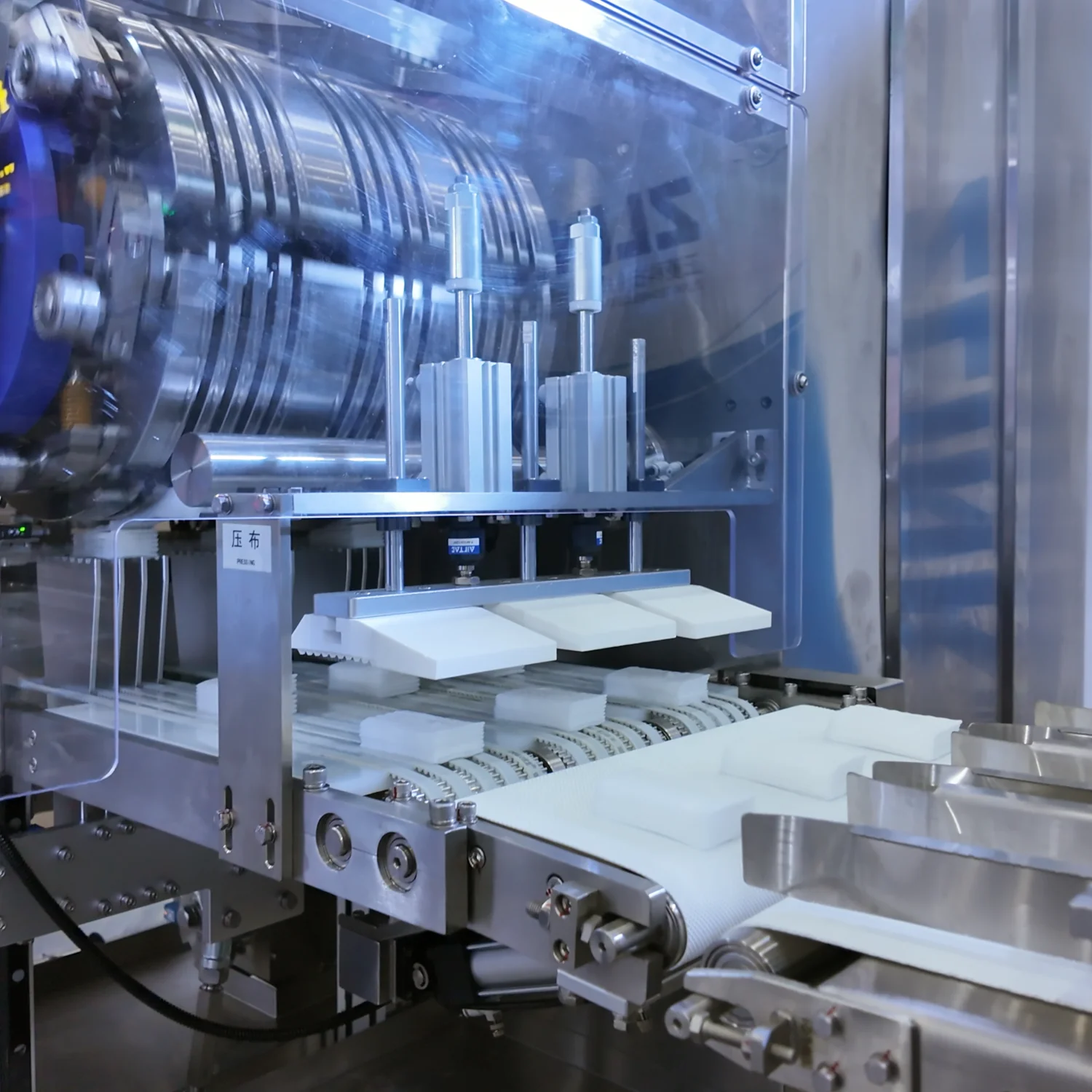
I’ve worked with lines that use basic PLC control and tension control systems, and I’ve seen the same human gaps again and again. The machines—servo motors, simple rewinder units, moisturizer dosing pumps—are capable, but the way we set them up and maintain them often isn’t. I want to share practical fixes that I’ve used on the floor, and also point out what to watch for next. Let’s dig in and get a clearer picture.
Deeper Layer: Why Traditional Solutions Miss the Mark
What exactly breaks down?
sanitary wipes makers know the basics: feed, moisturize, cut, fold, and rewind. But the real trouble starts when one small variable drifts—tension control, for example—and then everything else chases that fault. I’ve measured how a 5% tension change can ripple into misfolds and inconsistent dosing. Look, it’s simpler than you think: one errant sensor reading, and the moisturizer dosing is off. That’s where servo motors, PLC configs, and poor sensor calibration show their teeth.
Technically speaking, many traditional fixes are reactive. Replace the knife, tighten the web, or reset the PLC. Those are bandaids. You still get edge defects, glue stringing, and roll collapse. In my experience, the weakest links are often human-centric—manual roll changes, inconsistent operator procedures, and unclear feedback from HMI screens. The result? Higher scrap rates and frustrated crews. — funny how that works, right?
Forward-Looking Principles: New Tech and Practical Criteria
What’s next for smarter lines?
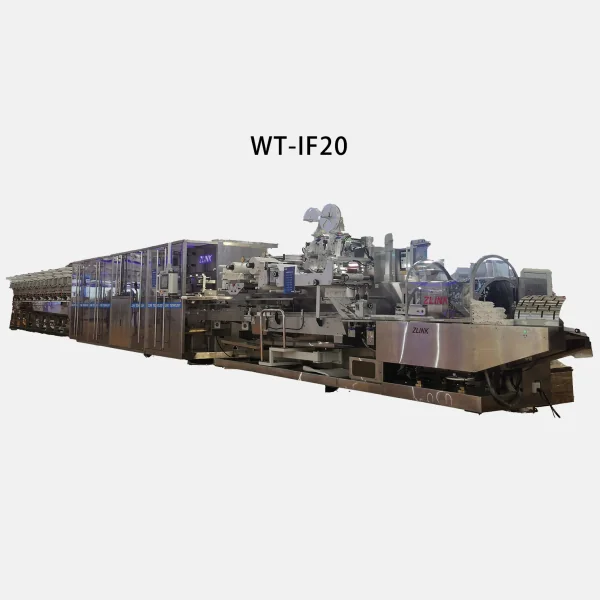
I’m bullish on combining practical automation with operator-centered design. New principles—predictive maintenance using simple edge computing nodes, smarter tension control loops, and better moisturizer dosing algorithms—can reduce unplanned stops. When we integrate a few well-chosen sensors and tune PLC logic to give early warnings (not alarms that scream), operators can fix small issues before they cascade. For makers of sanitary wipes, that translates to steadier runs and less rework.
Here are three metrics I use when evaluating upgrades: uptime percentage (measure before and after), scrap rate per 1,000 units, and average time to recover from a stop. Those numbers tell a story—then you can decide where to invest. I’ve seen lines go from stop-start chaos to calm, predictable runs with modest investments and clearer operator training. It’s not magic. It’s focused work, good sensors, and people who understand the line. ZLINK