
Introduction — a night in the nursery
Last winter I sat in a damp barn while a newborn litter huddled under a single, flickering bulb — I could feel the anxiety in the air. Swine light matters: lighting affects piglet feeding, sow calmness, and growth rates (yes, even the color temperature makes a difference). Recent farm trials show a 10–15% lift in early weight gain when lighting is matched to age and behavior, so I keep asking: why are so many barns still stuck with outdated bulbs? I want to walk you through what I’ve seen, the numbers that matter, and the simple changes that actually help families of pigs — and the people who raise them. Next, let’s peel back the usual fixes and see where they fail us, and why a different approach pays off.
Why old fixes fall short: the hidden pain under the glow
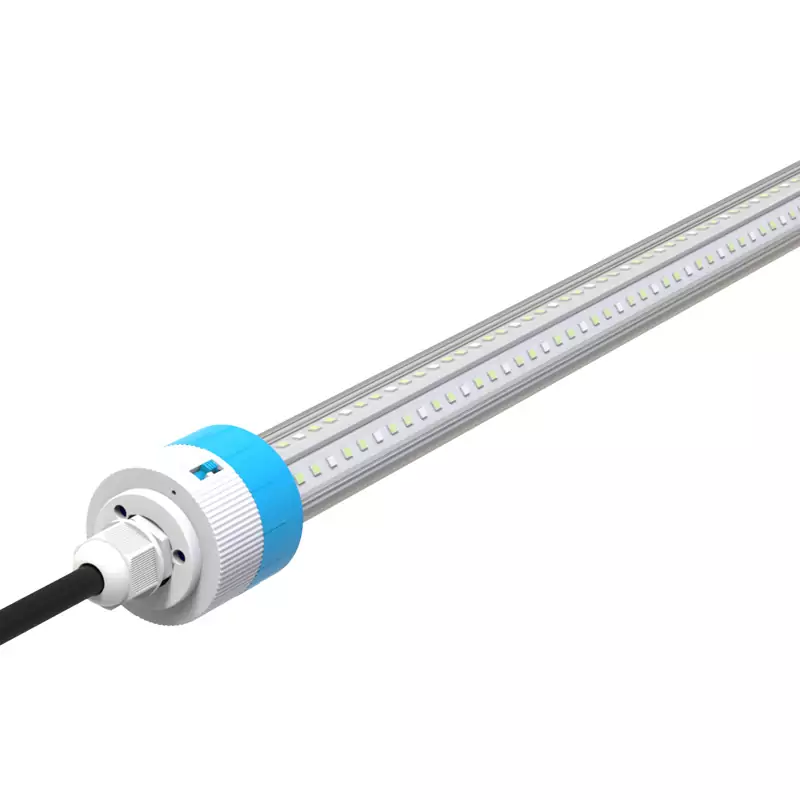
I’ll be blunt: many traditional lighting fixes are band-aids. Technologies meant to improve welfare often ignore the real variables inside a barn — and that’s where swine shine led hog light comes in as an example of purpose-built thinking. Old fluorescent or basic LED retrofits focus on bulb replacement alone, but miss critical points like lumen output consistency, photoperiod control, and fragile power converters that fail under barn conditions. Those oversights mean flicker, uneven spectrum, and sudden outages — all stressors for pigs. Look, it’s simpler than you think: farmers tell me that when lights blink or shift color, sows become restless and piglets slow feeding. That pattern shows up again and again in my visits — not pretty, and costly.

Deep technical details matter here. For instance, spectrum tuning matters for behavior: blue-heavy light suppresses melatonin; red-tinted light encourages rest. Without spectrum control and proper dimming circuits, you get mismatched cues. And don’t forget maintenance realities — dust, moisture, and voltage swings wreck cheap drivers fast. I’ve watched setups fail within a season because installers underestimated thermal load and humidity. — funny how that works, right? If we want reliable welfare outcomes, we need systems designed for barns, not just cheap lamp swaps.
What are the practical pain points?
Farmers commonly report three hidden pains: inconsistent lumen output across pens, lack of easy photoperiod scheduling, and frequent driver replacements. Those problems hit budgets and animal welfare at the same time.
Looking forward: smarter principles and measurable choices
Now let’s talk solutions. I’m excited by approaches that combine rugged hardware with simple controls. New principles center on durable LED modules, predictable spectrum tuning, and intelligent scheduling (automated photoperiods tied to farm routines). When I test fixtures like the swine shine led hog light, what impresses me is the integrated dimming and robust power converters — things you don’t notice until they’re absent. Semi-formal talk: these choices cut downtime and cut stress signals in pigs, which translates to measurable growth and better feed conversion.
Case example: a medium-sized farrowing unit I worked with switched from ad-hoc lamps to fixtures with tailored spectrum profiles and simple timers. Within eight weeks they tracked a 12% improvement in suckling consistency and fewer late-night sow disturbances. The system used clear photoperiod programming and a modest investment in protective housings — no rocket science, just smarter design. We saw that consistent light cues improved behavior. Small difference. Big effects — and cheaper than repeated bulb replacements.
What’s Next — choosing the right kit
If you’re shopping, evaluate three metrics I rely on: 1) spectral control and documented lumen output (can you match colors and brightness to pig life stages?), 2) driver durability and IP rating (can the power converters handle barn humidity and voltage swings?), and 3) usability of scheduling and maintenance (is it easy for staff to set photoperiods and swap components?). I would add warranty clarity — because when something fails, you want a partner, not a lecture. These metrics keep you practical and focused on outcomes, not buzzwords.
To wrap up, I’ve learned that lighting is simple in concept but messy in practice. We can fix that with fixtures built for farms, sensible controls, and realistic maintenance plans. I’m convinced the right choices save time, reduce stress in animals, and improve returns — measurable wins you can track. If you want a starting point, check setups from trusted suppliers and test a single room before a full rollout. I’m biased toward solutions that marry rugged hardware and clear photoperiod tools — because I’ve seen what works. Finally, if you want to explore options, the team at szAMB offers farm-focused gear that stands up to the reality of barns.