A Quick Reality Check
You deserve a front door that works as fast as your day moves. The best keyless entry door lock should spare you the late-night lockout and the “where’s my key?” panic. Picture this: it’s raining, you’re carrying milk tea and groceries, the lift just closed, and the door needs only a thumb or a tap—nice, right? Recent reports show households lose hours each month dealing with keys, service calls, and rekeying. That’s time and money, la. So, who is this upgrade really for, and what counts as “best” when the market is full of buzzwords and half-truths (plus a lot of shiny chrome)? Can we measure the gain, not just admire the gadget?

Let’s sort the noise from the signal, then compare what actually moves the needle for daily life and real security.
Why Old Habits Fail: The Hidden Friction and Risks
Where do traditional setups fall short?
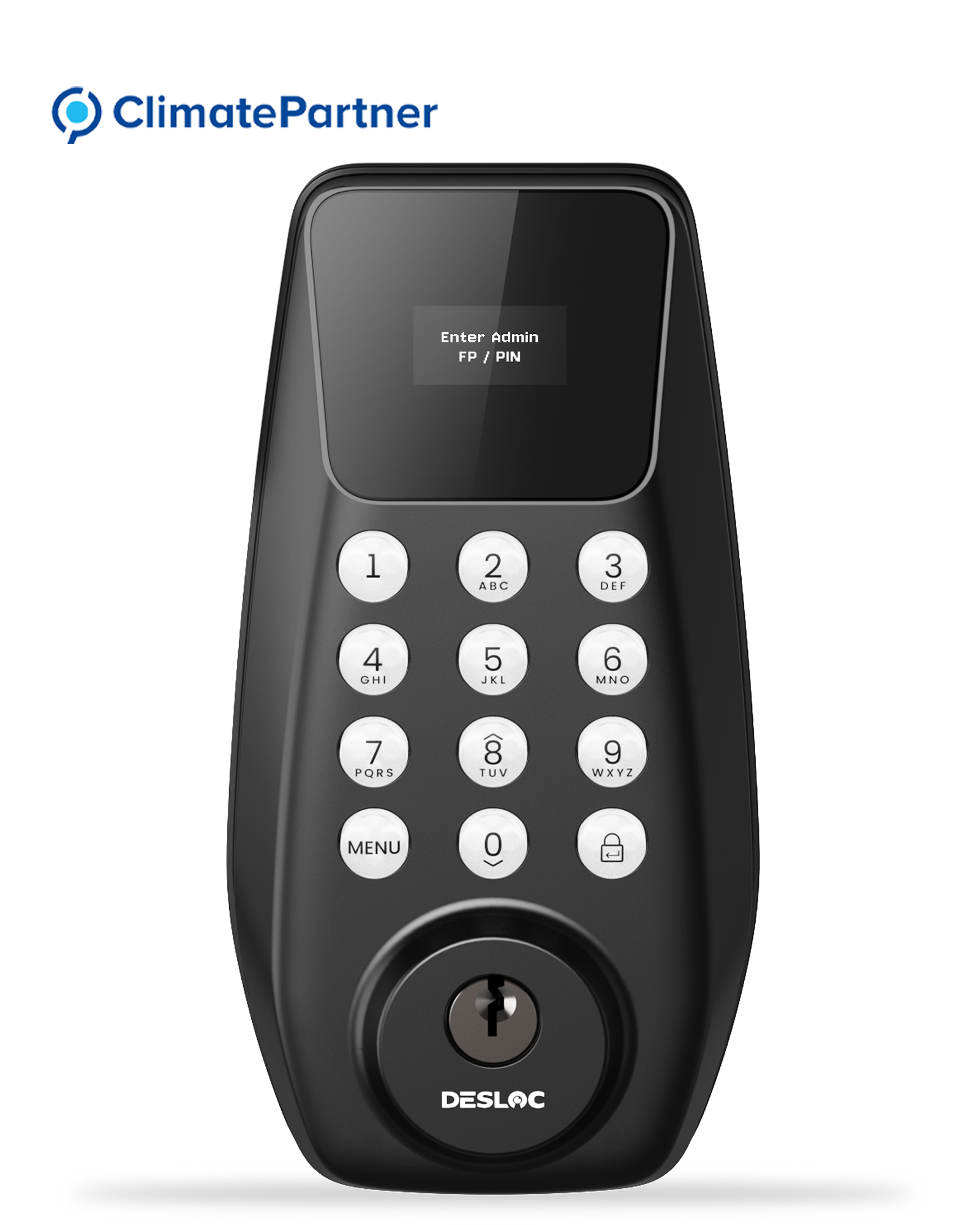
Keys feel simple, but they carry a lot of hidden cost. A lost key means a rekey, a call-out, or a risky spare under the mat—none is ideal. A keyless door lock and deadbolt aims to cut that friction by moving access control into hardware plus software, with audit trails and quick revokes. Look, it’s simpler than you think. The problem is not only convenience. It’s that metal keys give you zero visibility and slow response. No logs, no alerts, no remote revoke. And when you add roommates, helpers, or short-term guests, the key sprawl gets real—funny how that works, right?
Even some “smart” locks repeat old mistakes. Weak PIN sharing creates a new leak. Cheap modules skip AES-128 encryption or use poor nonce generation. Battery drains fast if the power converters are inefficient. No OTA firmware means bugs stay unpatched. And many units ignore fail-secure vs fail-safe design, or skip a basic tamper sensor. In multi-unit buildings, RF noise can jam unreliable radios. These are not edge cases; they are daily pain points. The deep fix is design that treats access as a system: secure element storage, BLE or Thread with proper pairing, and an IP65-rated chassis that shrugs off wind, dust, and a typhoon splash—because Hong Kong weather does not play nice.
From Codes to Context: What’s Actually Next
What’s Next
We’re moving from simple keypads to context-aware access. That means the lock checks more than a code. It looks at time windows, one-use passes, and presence over BLE with rolling tokens. A secure element (EAL-certified) stores keys. AES-CTR with proper IV handling prevents replay. And with OTA firmware, fixes land without a call-out. Compared with legacy keypad-only models, newer designs reduce false accepts and lockouts, and they cut latency by keeping decisions at the door—on-device logic instead of chatty cloud hops. Less lag, more uptime. Pair that with a keyless bedroom door lock for room-by-room control, and you get zones that adapt—quiet hours, guest limits, and logs that do not feel creepy, just useful.
Future-ready stacks embrace Matter or Thread for stable mesh, so your flat’s concrete walls don’t kill the signal. The battery management IC balances cells for longer life, and a sealed motor driver avoids stall in humid summers. Small touches, big wins. We also see light on-device AI to spot odd patterns (too many failed tries in a short window) and trigger a local siren plus a push alert. That’s not sci-fi—just better use of sensors. And if you need a fallback, NFC tags with signed credentials work even when Wi‑Fi is out—funny how that works, right?

How to Choose Without Regret
Three metrics make the choice clear.
1) Security posture: Look for a secure element, audited crypto (AES-128 or better), proper nonce/replay protection, and tamper detection. Check if OTA firmware is signed and verified. No shortcuts.
2) Reliability under real life: IP rating, tested motor torque, battery life with a stated duty cycle, and radio stack (BLE/Thread) that resists congestion. Ask for actual door-cycle numbers and mean time between failure.
3) Control without stress: Guest codes with expiry, offline unlock options, clear logs, and simple recovery flows. Compare fail-secure vs fail-safe behavior, especially for fire-door rules in your building. Small details, big peace of mind.
In short, upgrade not for flash, but for fewer lockouts, better visibility, and a system that holds up in HK’s pace and weather. Choose with these metrics, and your door stops being a daily gamble and becomes a quiet, reliable gatekeeper. For deeper specs and examples, see DESLOC.