
Introduction — A morning at the bench, some numbers, and a question
I was in a small print shop one damp morning, watching a lad fiddle with a soldering iron while the air hung thick with fumes. The room smelled rank; you could see the haze in the light. In my line of work I see a lot — and many of those places lean on basic fume extraction products that simply aren’t up to the task. (Aye, proper kit matters.)
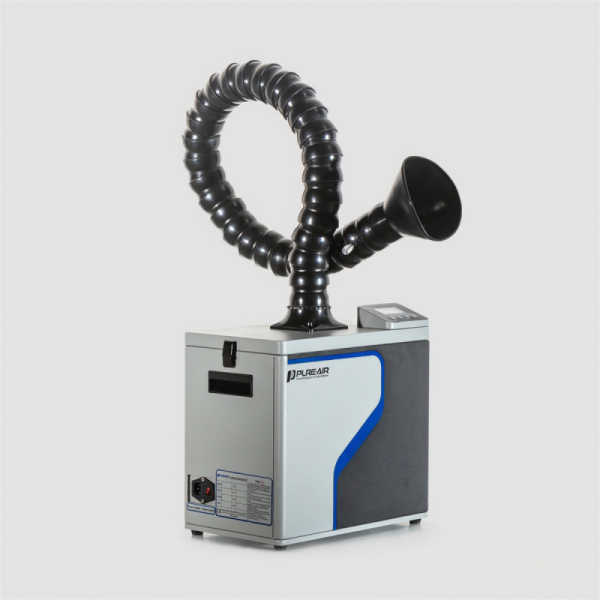
Data tells us fumes are no small matter: short-term exposure spikes headaches and irritation, and long-term exposure can erode lungs and livelihoods. So I ask, plainly — are we buying the right kit or just the cheapest hood? That question is why I’m writing here. Right, let’s move on and dig into what usually goes wrong and why it matters.
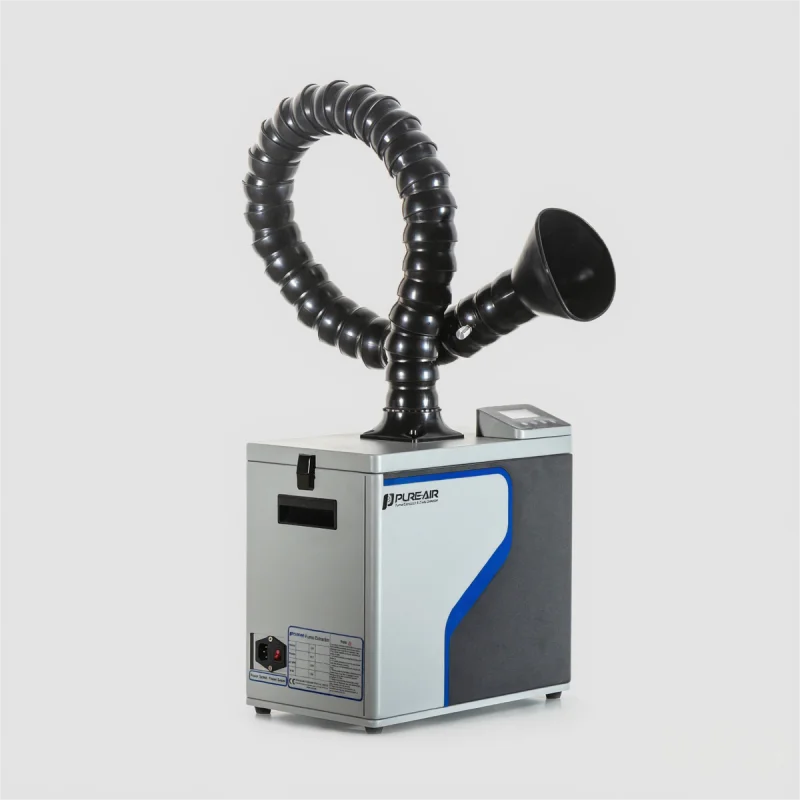
Why common systems let you down — a closer, technical look
When I talk about the real failures, I point straight at system design, not just price. An industrial VOC air purifier can be brilliant on paper, but only if its parts pull together. I mean the filter selection, the fan sizing, the controls — everything. HEPA filters are great for particulates, sure, but they do nothing for dissolved gases unless you pair them with an activated carbon bed. If you skip that, you’ve bought a leak — literally and figuratively.
Look, it’s simpler than you think: many setups misjudge airflow rate and capture velocity. The fan impeller is under-specified. VOC sensors are placed where they read warm, clean air, not where the fumes actually rise. I’ve seen units where power converters are starved or where ducting introduces more resistance than the fan can handle. The result is lower throughput and poor removal efficiency. You might spot a shiny control panel and assume competence; I’ve learned to ask about clean air delivery rates, filter surface area, and service access first.
So where’s the pain point?
Practically speaking, users feel betrayed by noise, maintenance headaches, and a system that works only for a season. They buy a device that looks certified, yet it does little when the real load hits. We end up changing filters more often, spending hours on ductwork, and still breathing off-spec air. That frustrates me — I want engineers to build for the day-to-day, not for the spec sheet alone.
What comes next — new principles for better extraction
We’re at a turning point. New designs marry smarter controls with sound fundamentals. For example, modular filtration systems let you increase activated carbon surface area without replacing the whole unit. Sensors now feed simple feedback loops that hold airflow steady instead of letting it sag as filters load. An industrial VOC air purifier built this way handles peaks and keeps running longer.
Principles to keep in mind: match capture velocity to task; size fans for real duct resistance; choose filters that suit your contaminant mix. Also — and this is important — design for access. If a tech can’t change cartridges without a ladder and a curse, maintenance slips. I’ve seen neat installations fail because nobody thought about day-to-day care. Funny how that works, right?
What’s next for workshops like yours?
We’ll see smarter maintenance alerts, better sensor placement, and systems that scale. Some shops will retrofit add-on carbon modules. Others will opt for compact units with built-in VOC sensors that adjust fan speed on the fly. It’s not magic; it’s sensible design and honest testing.
Final thoughts — three metrics I use when I pick gear
I’ll close with practical advice — three simple metrics I want you to ask about when choosing extraction equipment: 1) Clean Air Delivery Rate (CADR) for the contaminants you have, not a generic number; 2) Pressure-balanced airflow — does the fan overcome real duct losses?; 3) Total cost of ownership — factor filter life, downtime, and service access, not just the sticker price. If a seller won’t give you those answers, I don’t trust the kit.
We all want safer, quieter shops. I do, you do. Make the system work for the people who use it every day. If you want a reliable partner for robust solutions, I recommend checking out PURE-AIR. They’re not perfect — who is? — but they focus on the right things, and that counts for a lot.