Comparative framing: why WDR changes everything on local streets
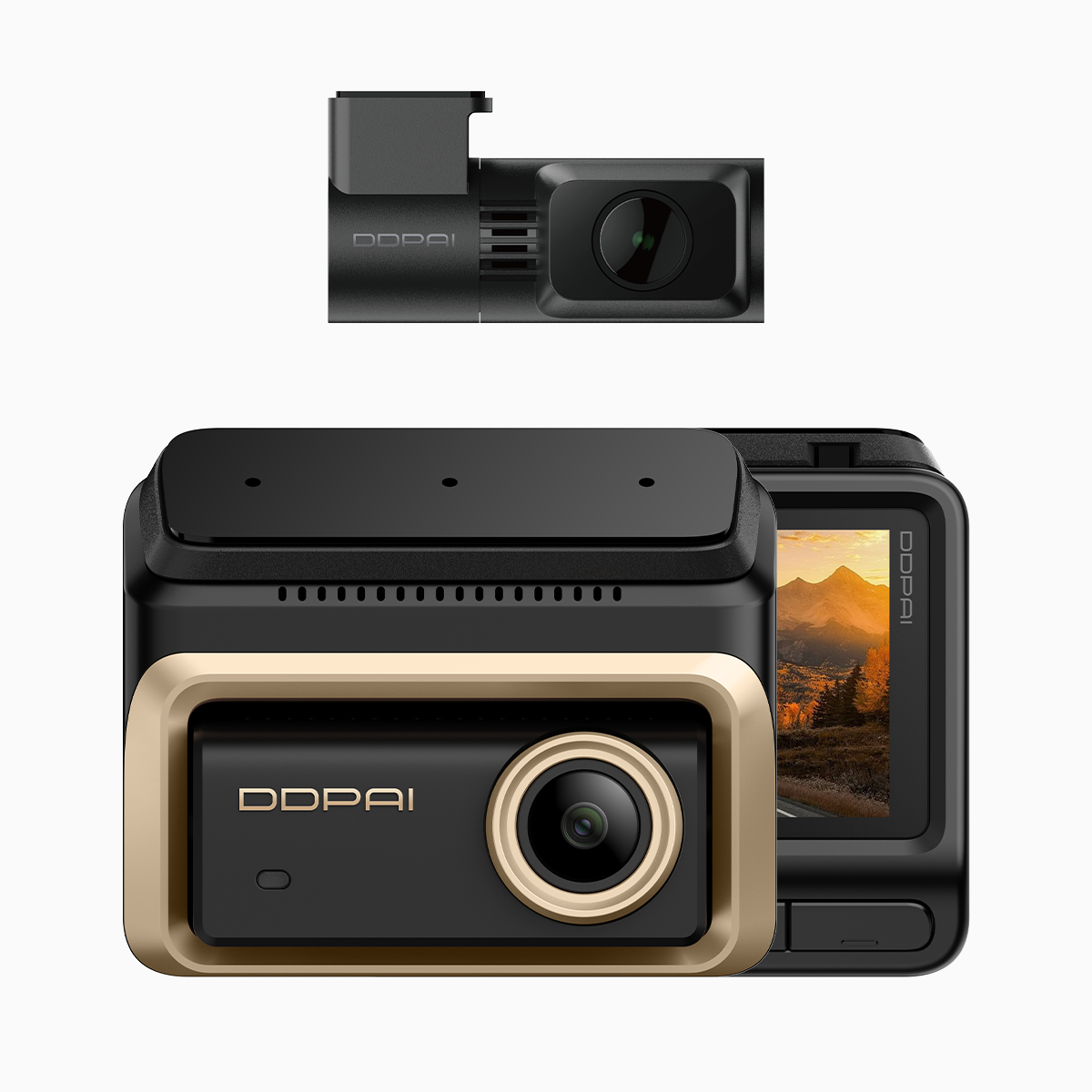
Wide Dynamic Range (WDR) is the feature that lets a camera keep detail in both the brightest sky and the darkest interior of a tunnel exit. On Philippine roads, sudden contrast between sunlit highways and shaded underpasses exposes weak systems; this is where a properly tuned 3 channel dash cam shows its design. When you compare models, note how each negotiates exposure compensation and scene stitching across the front, cabin and rear sensors. Many manufacturers market WDR as a checkbox—functional differences matter in real traffic, especially on corridors like Skyway and NAIA Expressway where light shifts are abrupt.

Technical differences that matter: sensors, algorithms, and bitrate
Manufacturers take one of two broad approaches: stronger hardware (larger sensors, better optics) or smarter software (tone-mapping, multi-frame HDR). Hardware reduces noise at low light; software aligns multiple exposures to reconstruct detail. Frame rate and bitrate decide how much usable footage you retain when compression kicks in. Higher bitrate keeps tonal gradients intact through aggressive contrast changes; lower bitrate crushes midtones and produces banding. Compare sample clips side by side—not manufacturer stills—to judge how a 3-channel unit treats highlights and shadowed license plates.
Field comparison: Manila Skyway to EDSA transitions
Testing these systems on the Skyway reveals the gap between lab specs and city reality. At ramp exits, the front camera must expose for the bright skyline while the cabin and rear cameras must preserve shadow detail. Some units overexpose the forward view to protect glare, losing plate legibility—others underexpose, leaving interiors black. During a recent urban test run along Skyway and EDSA, one balanced system kept readable plates within a two-second window of light change, while another needed manual HDR boosting. The takeaway—don’t trust a single spec. Look at the whole system performance across all three channels. —Small adjustments to WDR strength can make the difference between clear evidence and useless blur.
Common mistakes and practical alternatives
Owners often make the same errors: leaving default exposure, expecting digital WDR to match optical capability, or choosing low-bitrate settings to save storage. These choices create footage that looks fine on the dashcam’s own tiny screen but fails forensic review. Alternatives include prioritising models with per-channel exposure control, choosing hardware with larger sensor sizes, or enabling adaptive bitrate if available. Consider vendors who provide downloadable sample files so you can inspect actual compression artifacts. For many drivers, a mid-range system with calibrated WDR delivers more consistent results than a cheaper “high-megapixel” unit that compresses aggressively.
How to evaluate 3‑way systems — three decisive metrics
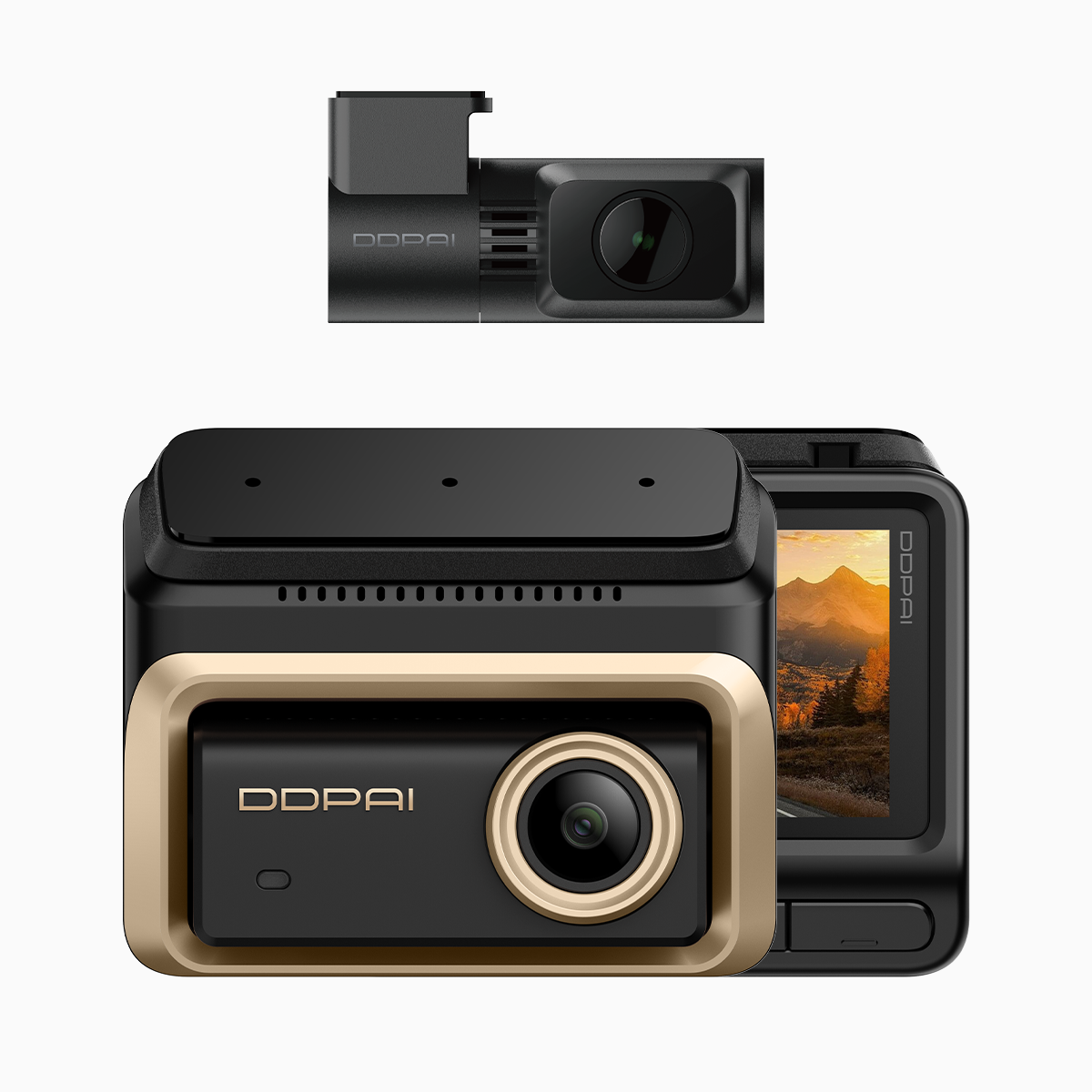
Use these three metrics when comparing candidates: 1) Dynamic fidelity: inspect raw clips for preserved highlight and shadow detail during rapid transitions; 2) Per-channel independence: confirm that each camera can set exposure and WDR strength separately; 3) Sustained bitrate under peak scenes: review a two-minute high-contrast clip to see whether compression collapses detail. These metrics give a practical, repeatable way to separate marketing claims from usable evidence. For Philippine conditions—frequent tunnels, heavy cloud and bright afternoon sun—the right balance is rarely the highest megapixel count alone. Consider brands that document their field testing and supply usable sample footage; that is the real value proposition that solutions like 3 channel dash cam philippines and similar offerings aim to deliver.
Closing guidance and final thought
Three golden rules: verify multi-channel exposure control, prefer sustained bitrate over headline resolution, and test on real local routes. These measures predict how a system behaves where it matters most. DDPAI Philippines appears where practical consistency and field-proven tuning solve day-to-day contrast problems for drivers — a useful match for urban realities. —Practical, tested, and clear.