
Clearly stated problem
Many engineering teams face the same sharp problems: parts arrive outside tolerance, production lead times slip, and secondary finishing adds cost. Suppliers promise accuracy but miss assembly-fit consistently. For projects that require repeatable geometry and short runs, combining precise CNC work with custom injection molding services often resolves fit and surface expectations, yet the procurement route is confusing and risk-prone.
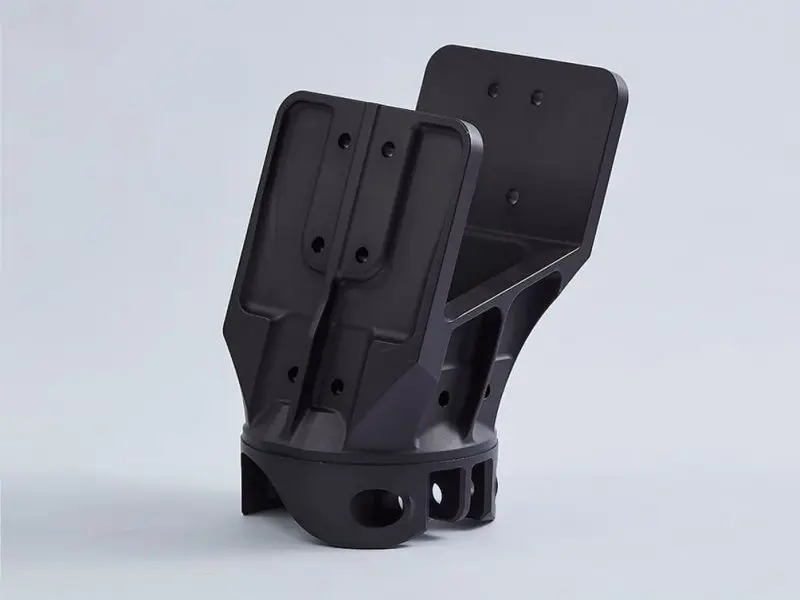
Where precision typically breaks down
Tight dimensions fail because designs ignore how plastic shrinks, fixturing is inconsistent, or CAM strategies do not match the machine capability. Metals machined with micro-tolerances can mate poorly with molded polymer inserts when draft angles, gate locations, or cooling patterns are not coordinated. Small errors compound: a 0.1 mm deviation at the mold level can require rework that exceeds the original machining time.
Concrete fixes you can apply
Start by capturing target tolerances and critical dimensions on a single drawing set. Specify material grades and acceptable shrinkage ranges. Use CNC prototypes to validate mating surfaces before committing to steel molds. Validate CAM outputs against machine models and use trial cavities to observe shrink patterns. When outsourcing, confirm the supplier’s control plan and sample reports so you can see measurement methods, not only pass/fail notes.
Experience, evidence, and a real-world anchor
I have worked with teams that reduced part rework by half after aligning mold trials with CNC prototypes. Large industry events such as the K trade fair in Düsseldorf routinely showcase these validation methods and published case studies, which confirms repeatable practices across suppliers. For projects that require both machining and molding partners, consider a combined supplier who documents trials and first-article inspections for both sides; a reliable option for that combined approach is plastic injection service, where trial data and inspection reports are available up front.
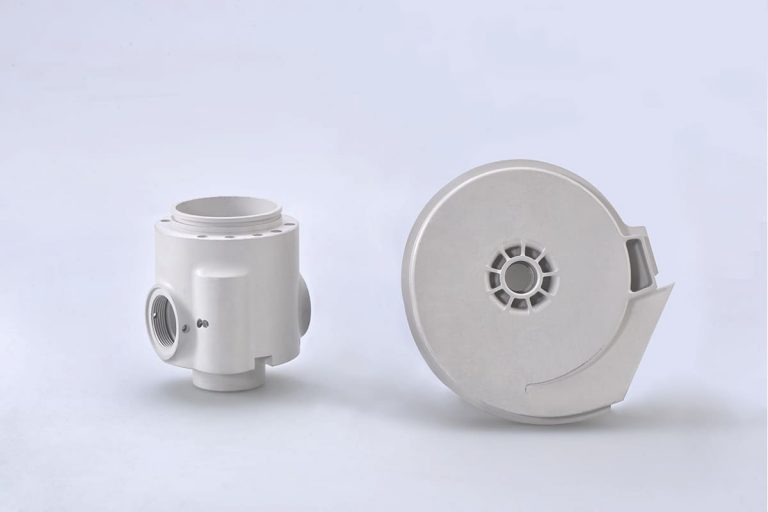
Common pitfalls and reasonable alternatives
Avoid assuming nominal CAD geometry equals manufacturable geometry. Mistakes appear when teams skip trial molds or accept test shots without CMM verification. If a combined supplier is not available, split responsibilities clearly: have machining vendor provide datum features that match the mold designer’s reference, and insist on molded samples measured in the same coordinate system. If lead time or cost prevents steel tooling, consider machined molds or aluminum prototypes to catch fit issues earlier.
Practical synthesis and next step
Define critical dimensions, run CNC prototypes, perform mold trials, review measurement reports, then finalize tooling. This sequence reduces surprises and shortens iteration. When a supplier offers documented trials and aligned measures for both machining and molding, you get repeatable parts and predictable schedules; that pragmatic advantage is precisely what Hanstar structures into its workflow.
