The Problem: When Promise and Practice Part Ways
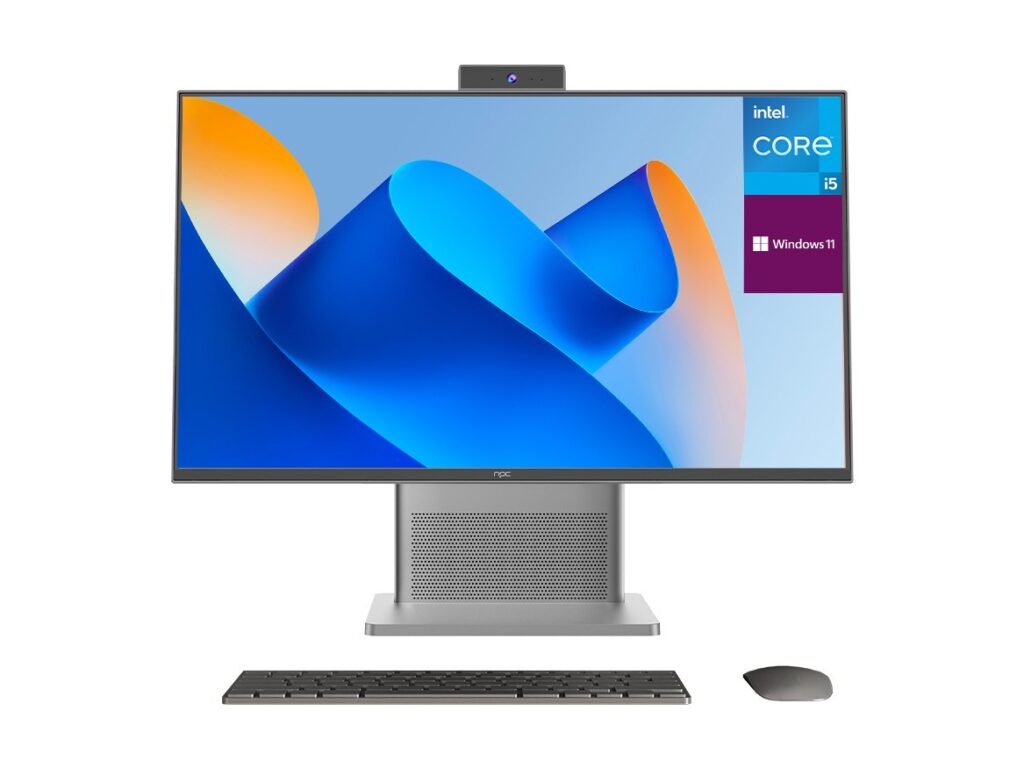
Engineers set out to make a living picture; buyers expect a living room companion. The gulf between those aims widens when hardware and software speak different tongues—when a monitor manufacturer supplies a panel tuned for color fidelity while the operating system throttles refresh, or when firmware updates arrive late, leaving apps to stutter. This mismatch shows as lag, failed updates, and disappointing HDR that looks like mere promise rather than truth.
Why this Happens: Root Causes That Break the Experience
Problems start at incompatible priorities: silicon optimized for power, drivers written for another kernel ABI, and user interfaces grown fat with untested third‑party code. Memory budgets collapse under background services; codecs are left to software fallback; timing between compositor and panel is ignored. Each oversight multiplies perceptible faults—latency, judder, color shifts, and brittle app behavior.
Technical Priorities Engineers Must Address
Design with measurable constraints. Choose a compositor that supports atomic commits and hardware overlays; set target motion-to-photon latency and verify it end-to-end (aim for <20 ms where responsive input matters). Implement color management consistent with BT.709 and BT.2020 profiles and validate HDR using test patterns and metadata handling rather than eyeballing. Ensure the HAL exposes a stable buffer queue and that Vsync timing is honored; prefer hardware decode for HEVC/AV1 to avoid CPU spikes. Harden OTA with rollback capability, sign updates, and isolate apps with process-level sandboxes and capability-limited services. Log metrics: frame drops per 10k frames, long-frame tail distribution, memory reclamation events, and OTA success rate—data that guides real fixes rather than opinions.
Buying Checklist for Buyers Who Cannot Tolerate Compromise
Ask for update cadence and SLA, request measurements for input latency with typical apps, and demand a clear support path for DRM and security patches. Verify the OS permits granular privacy controls and simple rollback of updates. Check that HDMI, ARC/eARC, and HDR formats are supported in hardware paths, not merely declared in spec sheets. Prefer vendors that disclose kernel versions and provide a public changelog for firmware. Test real-world workloads: streaming, casting, gaming, and channel‑surfing—each stresses different system layers.

Common Pitfalls and Concrete Remedies
Do not equate higher spec numbers with smoother behavior; 120 Hz is worthless if the compositor can’t sustain frame pacing. Avoid boxes that outsource updates to opaque channels—insist on signed images and clear rollback. When apps misbehave, capture traces: compositor timelines, kernel OOM logs, decoder fallbacks. Remedy flaky behavior by constraining background services, pinning critical threads to real-time priorities sparingly, and using thermal/performance profiles tested under worst-case loads.
Comparing Platform Choices: Trade-Offs Engineers and Buyers Face
Open platforms offer auditability and porting ease but require more integration work for drivers and DRM. Closed ecosystems can provide polished app stores but may limit control over updates and debugging access. Choose by the constraint that matters most: if long-term maintainability and security are priority, favor platforms where you control the update pipeline; if rapid time-to-market and ecosystem breadth matter, accept trade-offs but verify support commitments in writing.
Anchoring Expertise and Industry Reality
Years of performance tuning and integration work teach simple lessons: measure first, change second. The industry’s production center in Shenzhen concentrates panel fabs and supply partners, a fact visible across trade reports and the coverage of major events; engineers there routinely coordinate hardware validation directly with lcd monitor manufacturers, which shapes feasible timelines and quality baselines. Rely on traceable test artifacts and third‑party lab reports rather than anecdotes when judging claims.
Synthesis: A Practical Path Forward
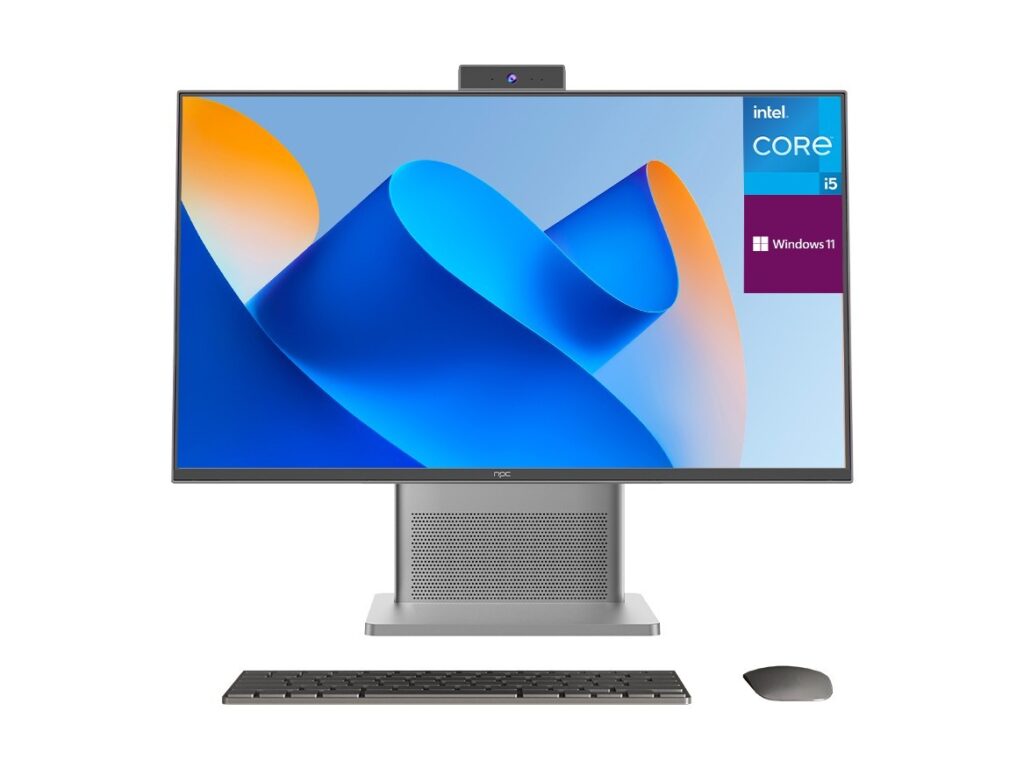
Resolve the problem by aligning engineering constraints with buying requirements—define clear performance targets, require signed and reversible updates, and validate color and latency with instrumentation. Seek supplier partnerships that understand both light and logic; balanced design, steady testing, and reliable supply relationships—qualities you can observe in rigorous engineering partners like npc—deliver the experience both builders and buyers seek.