Introduction: A Late-Night Choice That Shapes Your Launch
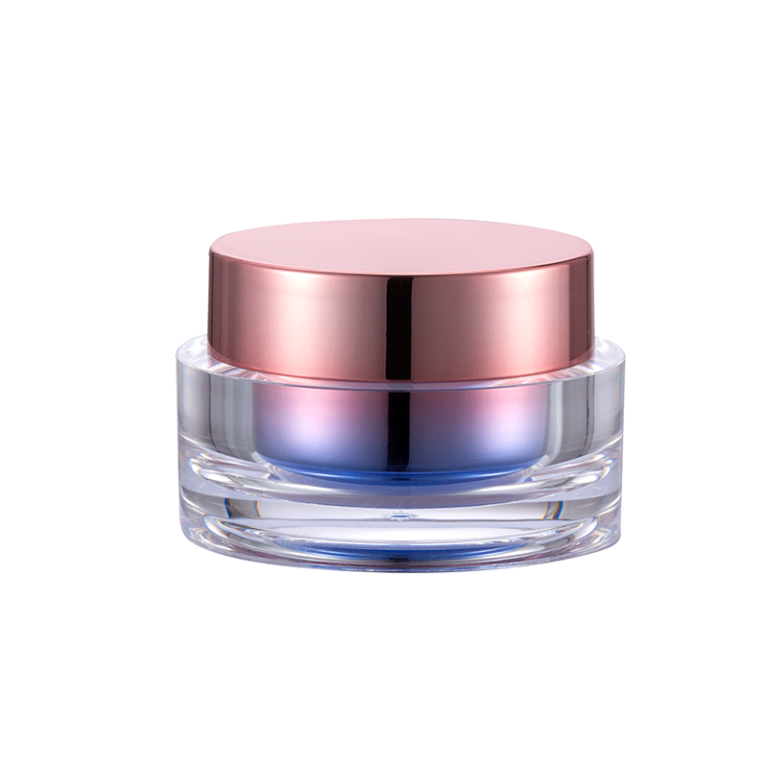
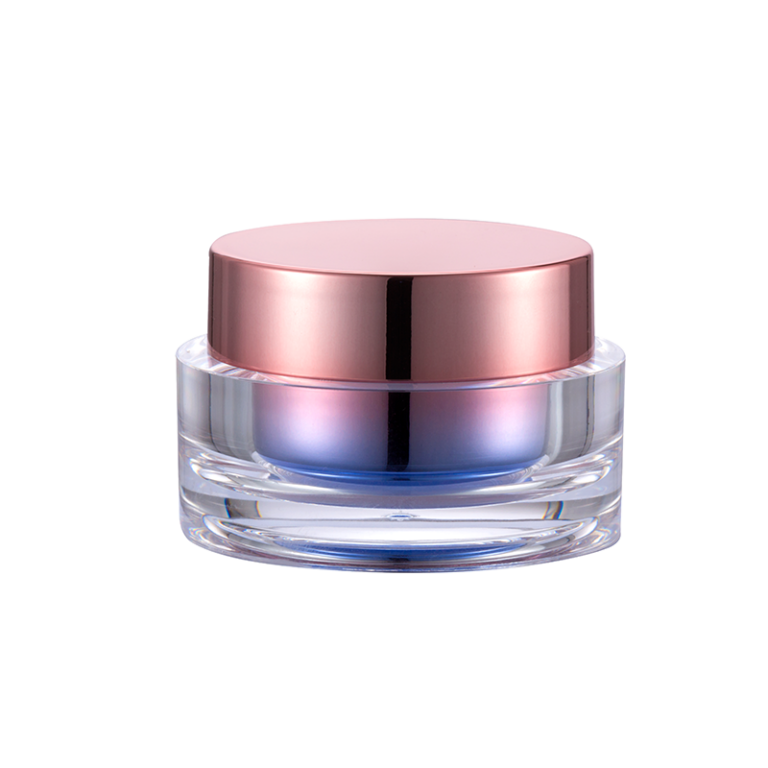
You are in the studio at 11 p.m., checking samples under cool LED light while the deadline breathes down your neck. The acrylic cream jar on your desk looks perfect—at first glance. In industry surveys, up to 37% of returns link back to packaging issues like seal failure or scuffed surfaces, and that number rises during seasonal peaks (yes, it’s brutal). Should you compare 2–3 suppliers or go deeper and benchmark process control, not just price? If you’re thinking about an acrylic cream jar manufacturer in china, the stakes feel higher because the quotes come fast, the MOQs look friendly, and samples can be glossy. But will torque consistency, liner fit, and UV stabilization hold up in real use? And what if the cap finish changes shade under store lighting? Those small gaps add up—funny how that works, right?

Here, we stack comparable choices side by side, so your team can ask sharper questions and avoid avoidable rework. Let’s move from first impressions to measurable signals.
Part 2: Hidden Fault Lines in Traditional Sourcing
Where do legacy methods fail?
Technical view. Traditional sourcing leans on catalog matching, a quick price check, and an approval sample. It looks efficient, but it hides risk. A single glossy sample cannot reveal cavity-to-cavity variation in injection molding, or how double-wall construction tolerances drift across a 20K run. When you compare an acrylic cream jar manufacturer in china with a “low MOQ, fast ship” promise to a slower but process-transparent shop, legacy thinking often picks speed. Yet micro-issues—cap thread pitch, inner liner compression set, surface hardness—can trigger leakage or haze in week four. And the root cause only appears when you audit tooling maintenance logs, not the price sheet.
Hidden pain points show up after launch: color shift under retail LEDs due to weak UV stabilization; gold lids losing luster because vacuum metallization skipped proper pre-treatment; print rub-off from under-cured silk screen ink. Look, it’s simpler than you think: ask for Cp/Cpk on critical dimensions, not only “pass/fail.” Request resin grade disclosure and heat deflection temperature. Verify torque windows with real fill media, not water. Demand batch traceability for gaskets. When suppliers can’t provide these, your “savings” turn into complaint tickets—and reworks—fast. That is the flaw of legacy checks: they reward the sample, not the system.
Part 3: Forward-Looking Comparative Insight
What’s Next
Let’s go forward, not sideways. Compare suppliers by how they prevent deviation, not how they patch it. One case we tracked: two lines making the same 50 ml jar. Line A used vision inspection tied to machine parameters; Line B relied on end-of-shift sampling. Over six weeks, Line A cut defect escapes by 41%, held color delta under 0.8, and kept cap torque within a 0.2 N·m window—because alarms adjusted barrel temps before cosmetic defects appeared. When you map this to acrylic cosmetic cream jars, the pattern holds: upstream control beats downstream sorting. And yes, it scales—especially when PCR resin is in play and viscosity shifts more than virgin grades.
Future outlook. Expect more inline sensors and closed-loop control on small packaging cells, plus greener coatings that match the look of traditional vacuum metallization without the fragility. For teams choosing among similar jars, summarize it this way: we learned that glossy samples hide process gaps, system data exposes them, and consistent tolerances save brand trust. Advisory close: 1) Process evidence—ask for real capability data (Cp/Cpk, torque curves, color ΔE across batches). 2) Material proof—resin spec, UV package, and compatibility with your formula. 3) Lifecycle cost—scrap rate, rework, and logistics buffers, not just unit price. Steady comparisons like these keep launches calm and customers loyal. If you need a starting point or a sanity check, you can always talk with NAVI Packaging.