
Introduction: A small scene, a big problem
I remember standing beside a line of half-packed cartons while the shift supervisor tapped his watch and sighed—classic Monday. In that moment I realized how often teams expect a machine to fix a messy workflow overnight. The automatic case packer became our hopeful answer: a single machine meant to fix throughput and reduce human error. Data backed the urgency: lines that tuned their systems saw up to 30–40% fewer stoppages within three months. So why do some installs fly while others sputter? (Hint: it’s not always the robot’s fault.)
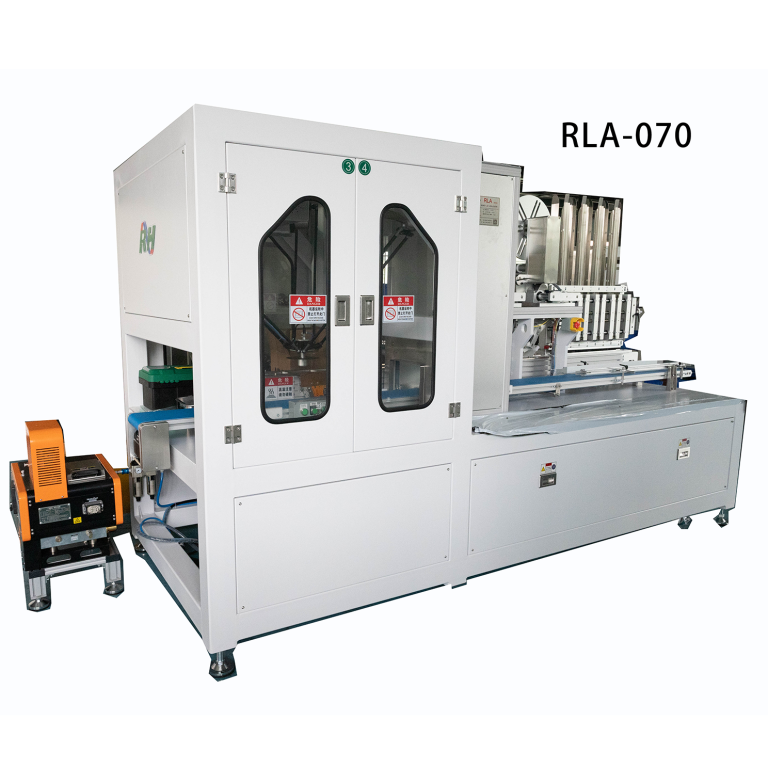
I’ll be honest—I’ve seen elegant hardware fail because the rest of the line wasn’t ready. Conveyor integration, servo motors, and PLC control are great on spec sheets, but they need planning, training, and common-sense decisions to actually deliver value. When I talk with plant managers, the real questions are rarely about speed alone; they’re about reliability, touchpoints, and how the packer fits the team’s daily reality. Let’s peel this apart and keep it straightforward—no marketing fluff. Next, I’ll dig into where traditional systems go wrong and what manufacturers often miss during handover.
Why traditional systems trip teams up
automatic case packer manufacturers often design machines to shine in isolation: perfect conditions, neat product flow, and steady power. In practice, lines lurch between real-world variability—mixed SKUs, damaged packaging, or upstream misfeeds—and that’s where old-school setups stumble. Look, it’s simpler than you think: if the handoff from your filler to the packer is sloppy, no amount of machine vision will fix the backlog. I say this from experience; we once replaced a whole control panel only to discover the real bottleneck was a misaligned transfer belt.
What’s actually failing?
Here’s a direct list of the common mechanical and systems woes I see: poor conveyor integration causes jams, under-specified power converters trip, and weak PLC control logic creates false faults. Machine vision helps, but only when lighting and product presentation are consistent—otherwise you get false rejects. And don’t forget edge computing nodes: pushing analytics to the line is tempting, but if your network is flaky, the data won’t help the operator. — funny how that works, right? So the flaw isn’t always the packer. It’s the assumptions teams make about upstream stability, maintenance routines, and spare-part planning. If you ask me, manufacturers should test for messy realities, not just their ideal demo scenario.
New principles and what to evaluate next
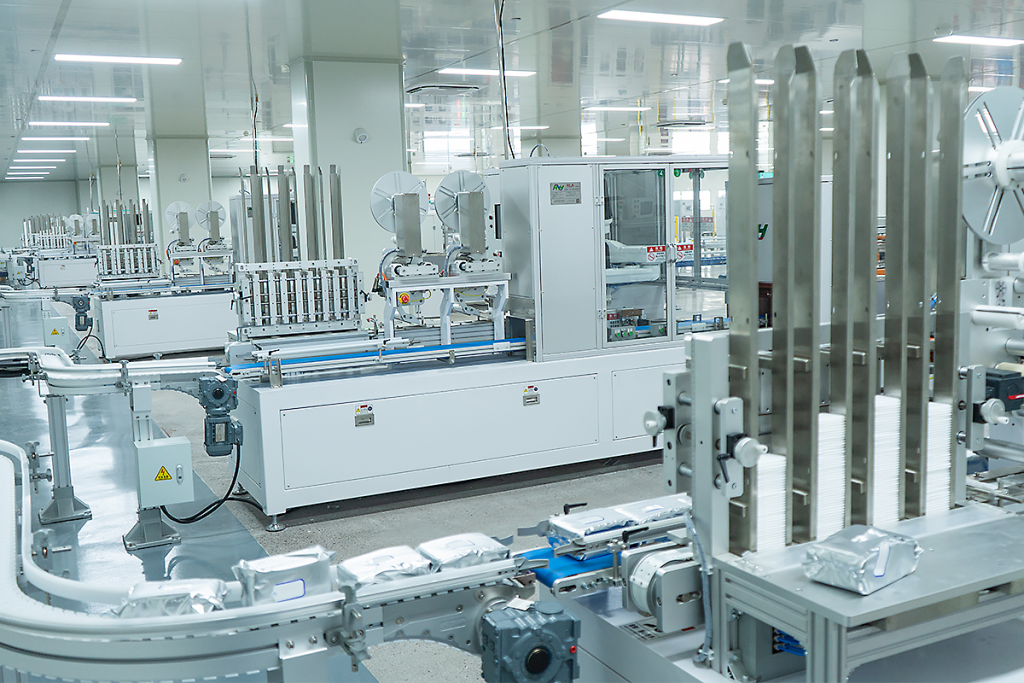
Going forward, I believe the smartest upgrades follow three principles: resilient integration, human-centered controls, and adaptive automation. When I look at proposals from automatic case packer manufacturers, I prioritize systems that allow quick changeovers, easy access for maintenance, and modular electronics that tolerate noisy power. Those features reduce downtime and keep operators confident—confidence matters as much as throughput. You’ll also want clear diagnostics: if the packer can’t tell you the likely fault in plain language, the team will take longer to recover.
What’s Next
Technically, that means better sensors plus simpler HMI screens, and a shift from trying to automate every last decision to automating the repeatable ones. I’ve seen hybrid approaches—semi-automated guides that hand ambiguous cases to a human—cut false stops by half. Also, prepare to test integrations: run simulated misfeeds, plug in a backup power source, and check how the packer handles oddball cartons. — and yes, budget a little time for operator-led tweaks; they’re often the difference between a system that looks good on paper and one that actually sings.
Here are three practical metrics I recommend when evaluating solutions: 1) Mean time to recover (MTTR) after a jam, 2) changeover time between SKUs, and 3) percentage of faults that are actionable by the operator without engineering support. Use these to compare vendors and to align expectations with your team. I’ve recommended these to colleagues and seen measurable gains—real wins you can track. For trusted hardware and local support, consider vendors who back their systems with field service and spare parts inventory. If you want a starting point, check out ZLINK—they’ve been pragmatic partners for plants I know.