
Introduction
Have you ever watched a production line and wondered if everything was pretending to be efficient? (I have, more than once.) Wet wipe machinery sits at the center of that performative dance — motors hum, sensors blink, and managers nod along while throughput reports sing praises. I’ll start with a quick scene: a mid-size plant runs two shifts, churns out 120,000 packs per day, and loses 2–3% to machine stoppages — small numbers, big headaches. So the question becomes: how much of your cost, time, and patience hides behind neat dashboards and polite maintenance logs?
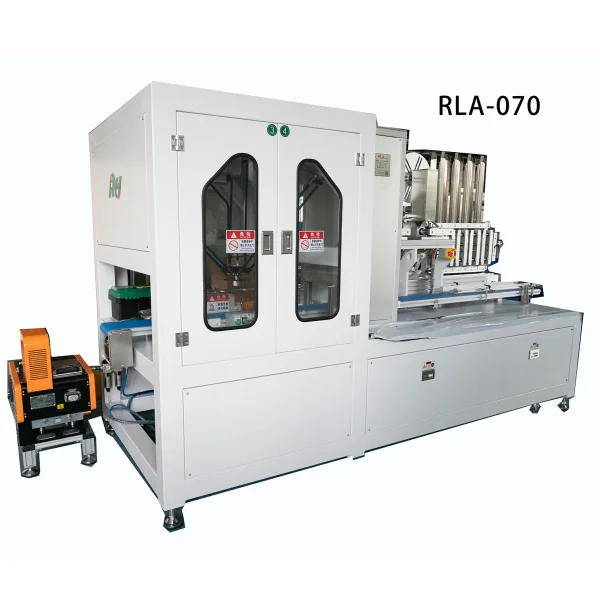
Hidden Flaws and Real Pain Points of Traditional Lines
When I say “traditional lines,” I mean the roll-to-roll setups people have trusted for years, the ones with aging PLC control and belt feeds. I’ve spent time on those floors and I can say bluntly — they mask flaws behind a layer of familiarity. Consider wet wipe machinery manufacturers china suppliers who ship standard machines that assume uniform raw material. In reality, nonwoven roll variance, inconsistent web tension, and dull cutting die edges create micro-stops. These stops add up: lost production, unplanned cleaning, and quality drift. Look, it’s simpler than you think — a machine that can’t handle small input changes will make small problems feel permanent.
Technical issues hide in plain sight. Servo motor jitter can cause misfeeds; hot-melt seal inconsistencies ruin pack integrity; folding module misalignment increases rejects. I’ve watched teams treat these symptoms with band-aids — recalibrate here, slow the line there — rather than confronting root causes. The result: maintenance piles up, and operators burn out. We need better diagnostics, not just more frequent tune-ups. — funny how that works, right?
What usually fails first?
It’s the interfaces between systems: sensor timing, glue control loops, and the human–machine handoffs. Fixing one element often reveals another. I’ve seen plants replace a cutting die only to discover upstream web tension was the real culprit.
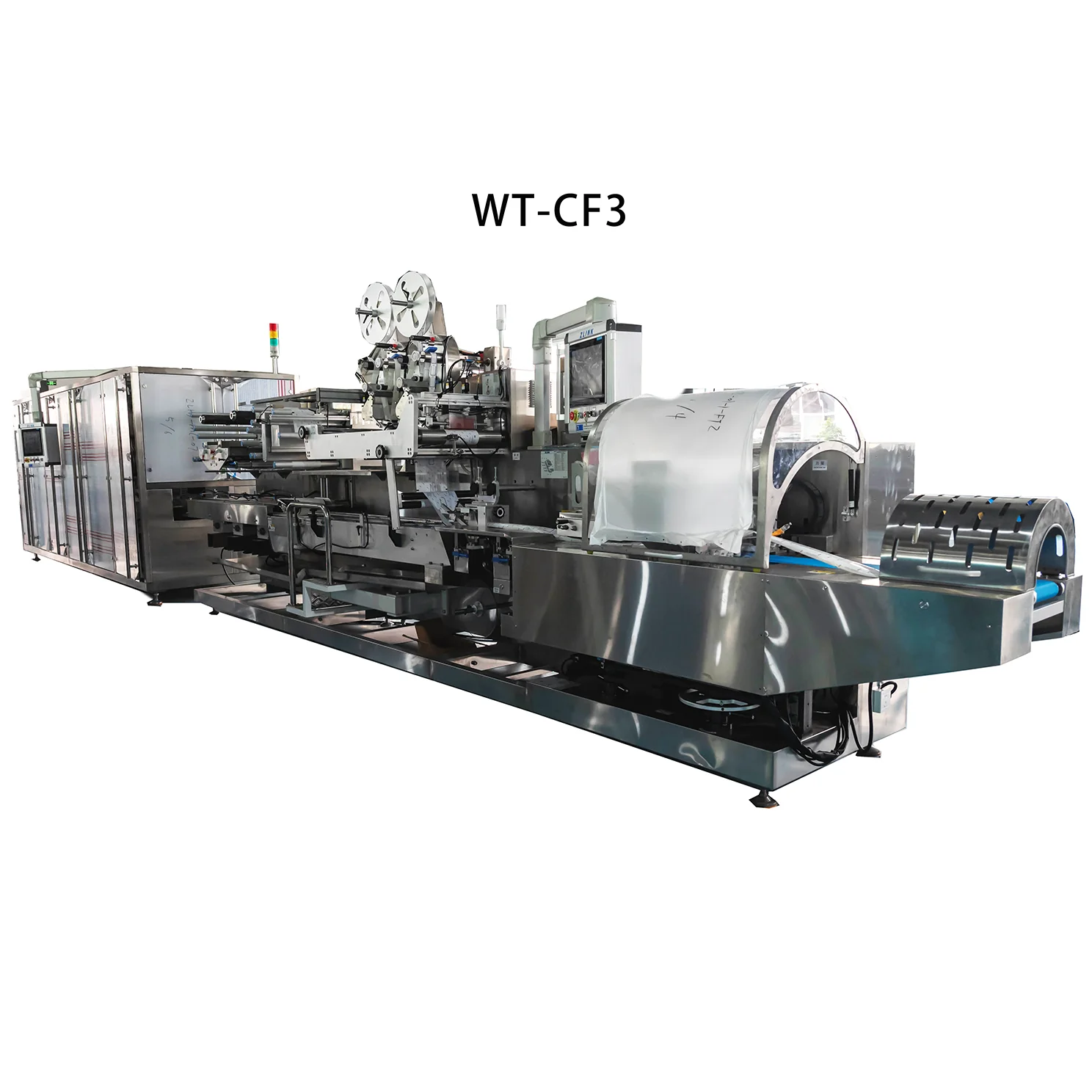
Future Outlook: Smarter Choices, Measured Gains
So where do we go from here? I favor a practical future: smarter controls, clearer metrics, and selective automation. Newer lines borrow from adjacent tech — edge computing nodes to pre-process sensor data, better power converters to stabilize drives, and modular designs so a failing module doesn’t stop the whole line. When I evaluate upgrades I look for machines that speak plainly: predictable throughput, easy access points, and simple replacement modules. The same wet wipe machinery manufacturers china that offered standard models are now offering configurable platforms; that shift matters.
Real-world pilots matter here. Run an A/B test: one old line versus one upgraded module. Measure rejects, mean time to repair, and operator effort. You’ll see differences in days — not vague promises. — yes, it takes planning. But the payoff is cleaner runs and calmer crews. I’ve guided several teams through that transition and the relief on the floor is worth the spreadsheets.
What’s Next?
Before I close, let me give three practical metrics I use when advising teams. First: Effective Uptime — not scheduled hours, but real, productive minutes per shift. Second: Changeover Time — how quickly you move between SKUs without that awkward downtime. Third: Quality Yield — packs that meet spec on first pass. Use these to compare options; they keep conversations honest and cut through marketing shine. If you want a name to consider as you explore options, take a look at ZLINK. I’m not selling cheer — just the sort of supplier I’d trust on my own floor.