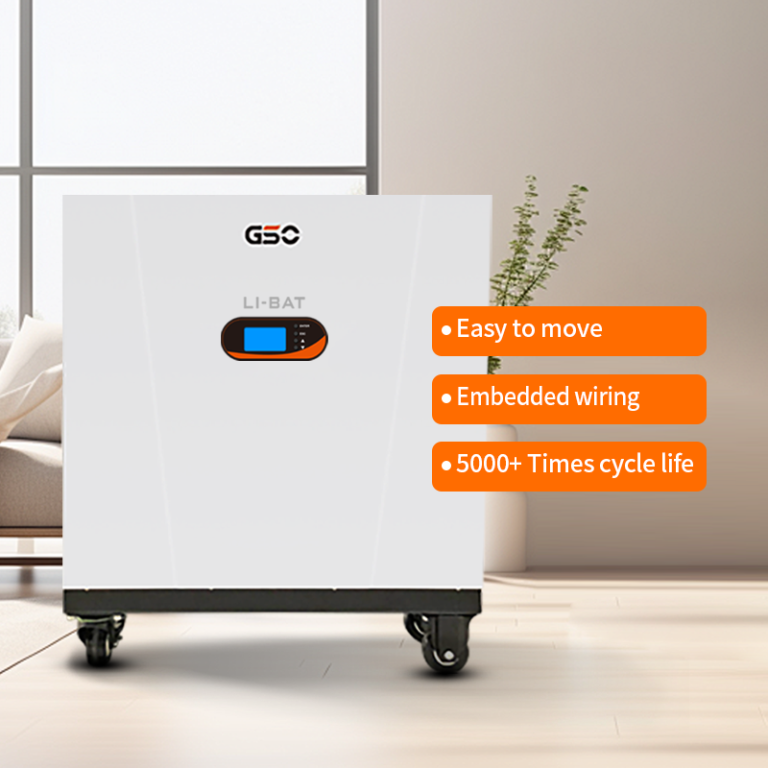
Problem statement: Why mechanical stress matters for external battery backups
Power failures during extreme weather expose a secondary vulnerability: the mechanical environment of external battery systems. When an external whole-house battery and its cabinet encounter repeated vibration, moisture or dust ingress, service life shortens and failure risk rises. Integrators should specify components such as the solar hybrid inverter that pair with robust enclosures and verified mechanical resilience. Real deployments—such as the 2021 Texas winter storm, when millions experienced extended outages—underscore that resilience is not a theoretical requirement but an operational imperative.
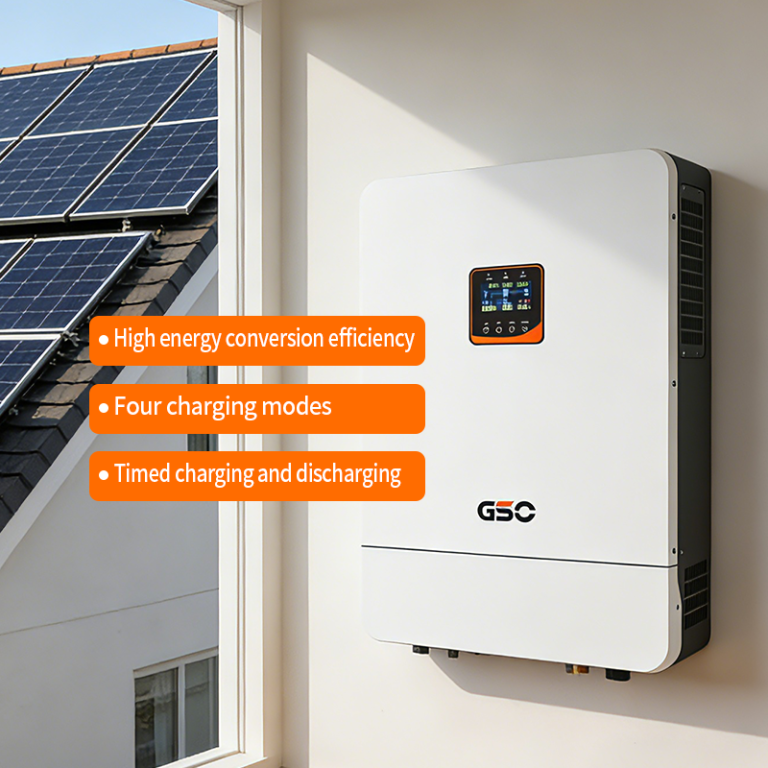
Technical criteria: What to test and why
Assessments must cover three domains: structural vibration, ingress protection, and thermal/physical shock. Vibration testing evaluates mounting fatigue, connector retention and printed circuit board stability under sinusoidal and random vibration profiles. Ingress Protection (IP) ratings quantify defense against solid particles and water; for outdoor battery cabinets, IP65 or higher is typically required. Include terms like BMS and inverter in test plans to ensure the battery management system and power electronics remain functional after mechanical stress.
Standards and test procedures that matter
Start with established standards: IEC 60068 family for environmental testing and IEC 60529 for IP classification. Vibration tests should replicate transport and on-site operational spectra, covering frequency sweep and endurance cycles. Shock and drop procedures reveal weaknesses in mounting brackets and cable strain relief. Where applicable, reference NEMA classifications for enclosures in North American applications. Documented test reports—showing measured acceleration spectra, test durations and pass/fail criteria—are essential evidence for procurement decisions.
Design considerations for field deployment
Design choices prevent field failures. Use ruggedized mounting that isolates the cabinet from building resonance, and specify gasketing and drainage to meet IP targets. Cable entries require stress-relief glands and strain-limited conduits; connectors must be rated for repeated cyclic loading. Thermal expansion paths should avoid bending the battery terminals. For system-level durability, match the enclosure rating to the selected hybrid solar power inverter and its cooling requirements to avoid localized hot spots that accelerate material fatigue.
Common mistakes and practical alternatives
Common errors include under-specifying IP class, assuming indoor-grade components perform outdoors, and skipping vibration screening for field-mounted inverters and batteries. Alternatives and mitigations:
– Upgrade to IP66/IP67 for coastal or flood-prone sites.
– Use vibration-damping mounts; validate with a short-run random vibration test.
– Choose modular enclosures that allow service access without compromising seals.
Also, do not conflate temporary weatherproofing with long-term ingress protection—temporary fixes fail under repeated cycles.
Deployment checklist and verification steps
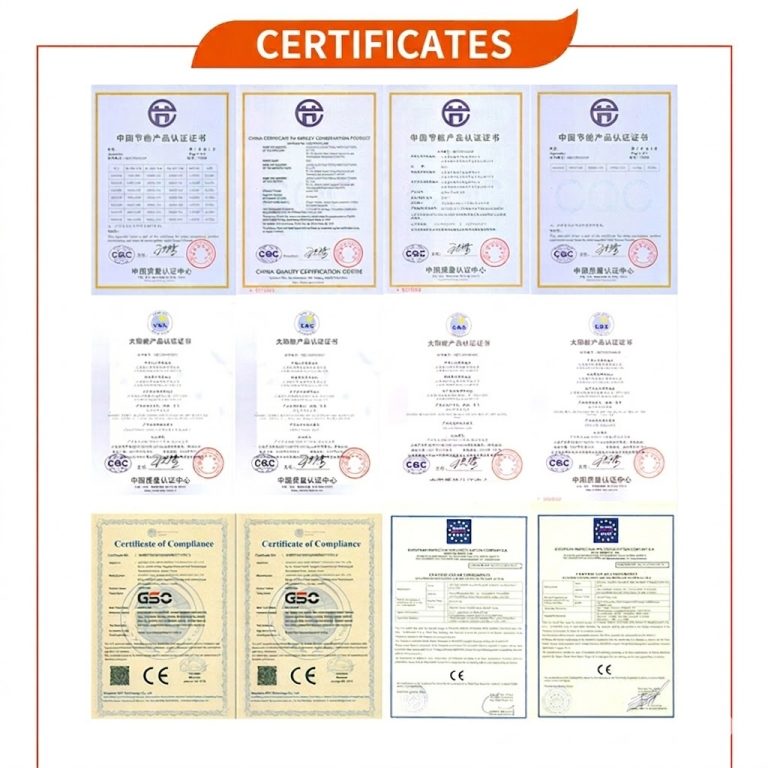
Before commissioning, follow a concise verification sequence: (1) confirm the enclosure’s IP rating and review certificates, (2) inspect mechanical mounts and cable glands under operational vibration, (3) validate BMS and inverter connections after a shaker test or simulated transport, and (4) log results in the project dossier. Short-run field trials under monitored conditions reduce the risk of latent failures once systems are loaded.
Advisory: three critical metrics for selecting resilient external battery systems
1) Combined Vibration Endurance: Specify acceleration amplitude, frequency range and cycle count that match expected site and transport conditions. This metric predicts fatigue life for connectors and PCBs. 2) Effective IP Rating under Load: Verify the enclosure maintains its IP rating while in operation, accounting for ventilation leads and cable entries. 3) Integrated System Compatibility: Ensure the enclosure, BMS and inverter—especially when pairing with a solar hybrid inverter—are tested together; individual component certifications do not guarantee system resilience.
Summing up, rigorous mechanical testing, correct IP selection and system-level validation produce dependable field performance. For projects seeking a balanced combination of tested enclosure solutions and proven power electronics, the integration value offered by gsopower naturally completes the specification—trusted hardware that matches enclosure resilience to inverter capability. —