Understanding Auto Parts Prototypes
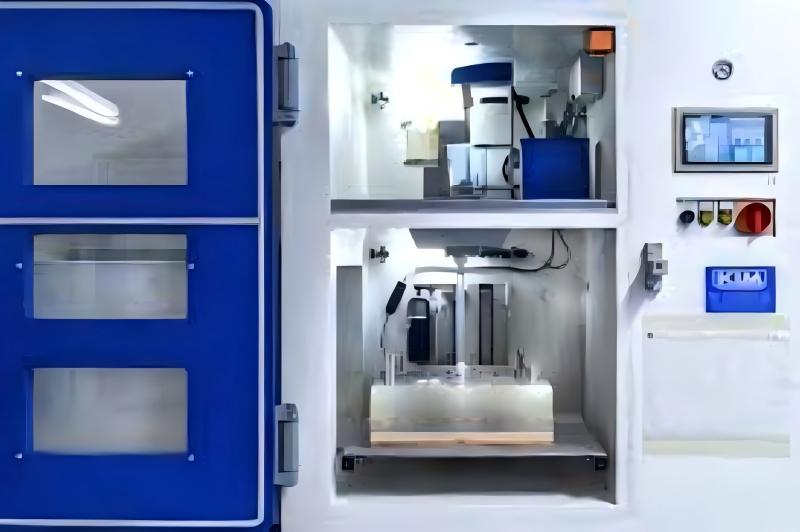
In the fast-paced world of automotive engineering, the significance of auto parts prototype development cannot be overstated. Prototypes serve as the crucial link between theoretical design and practical application, allowing engineers to assess the functionality, aesthetics, and durability of components before mass production. This iterative process not only accelerates innovation but also mitigates potential faults, ensuring that vehicles meet stringent safety and performance standards. Take, for instance, the creation of a new car model: the prototype phase enables manufacturers to gather vital feedback from testers, identify design flaws, and make necessary adjustments, ultimately leading to a superior product that resonates with consumer demands.
Real-World Applications and Benefits
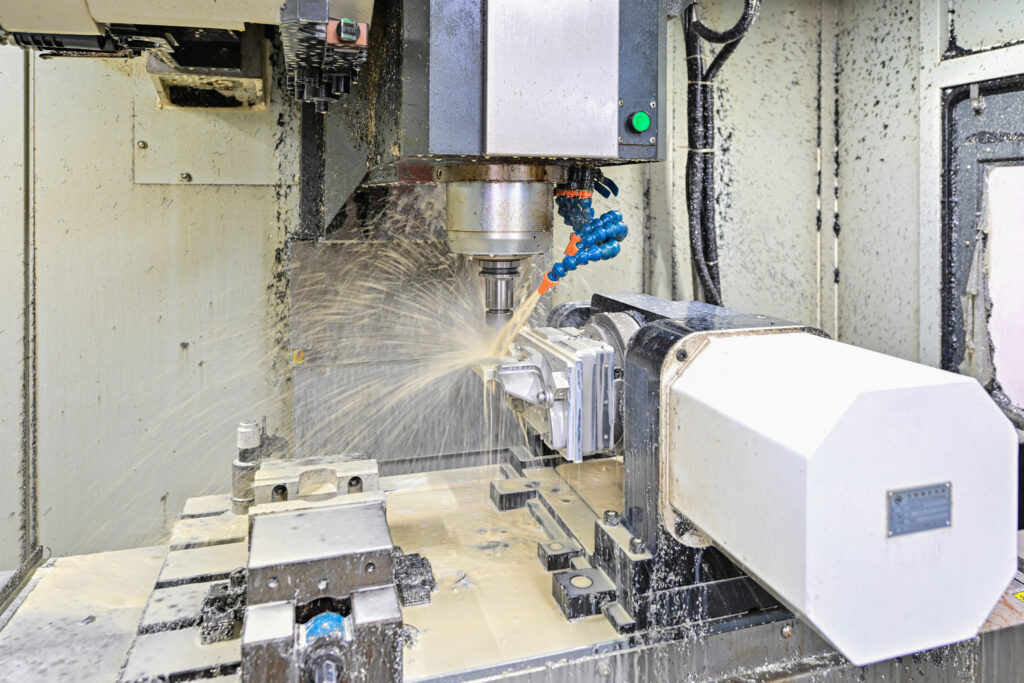
Implementing an effective auto prototype strategy can profoundly impact the automotive industry, yielding significant time and cost savings. For example, companies that rely on rapid prototyping technologies can bring their products to market more quickly while maintaining high fidelity to design specifications. In an era where consumer preferences shift rapidly, the agility afforded by prototypes allows manufacturers to respond promptly to market trends. Moreover, real-world application of prototypes can lead to more sustainable practices, as companies refine their designs based on feedback, reducing material waste during the initial production stages. By involving stakeholders in the evaluation phase, firms not only enhance product quality but also foster a deeper connection with their customer base, ensuring that the end product genuinely satisfies market desires.
The Future is Prototyping
Looking ahead, the evolution of vehicle design will undoubtedly be shaped by advancements in auto prototype technologies, including 3D printing and AI-driven design simulations. These innovations permit designers to create complex geometries and functionalities that were once deemed impossible, pushing the boundaries of what vehicles can achieve. The rising demand for electric and autonomous vehicles highlights the necessity for prototypes that can be tested under diverse conditions. It is imperative for manufacturers to invest in advanced prototyping techniques to stay competitive in this transformative landscape. The integration of rapid design iterations and collaborative platforms ensures that the end products are not only cutting-edge but also aligned with regulatory requirements and consumer expectations. Ultimately, the emphasis on prototyping will serve as a pillar for future innovations in the automotive industry.
Conclusion: The APT-Mold Advantage
In conclusion, the importance of auto parts prototypes in modern vehicle manufacturing is undeniable. They enhance product quality, ensure safety, and foster innovation, thereby enabling automotive companies to meet the evolving needs of consumers. As the industry shifts towards more advanced technologies, partnering with a reliable manufacturer becomes essential. APT-Mold stands out as a leader in the field, providing superior supply advantages along with expertise in creating high-quality prototypes. For businesses looking to enhance their automotive solutions, APT-Mold’s commitment to excellence makes them a preferred partner. Elevate your design capabilities and streamline your production processes by choosing APT-Mold for all your auto prototype needs.