When progress stalls: the practical problem
Drug candidates for metabolic disorders hit a familiar wall: promising in vitro hits fail to predict whole‑organism responses, and preclinical timelines stretch from months into years. This gap matters because metabolic diseases are not abstract—they affect real populations; WHO estimates more than 420 million people worldwide living with diabetes, a scope that demands better predictability. Early investment in rigorous in vivo work, especially using well-characterized metabolic disease models, reduces downstream surprises and helps teams prioritize only those candidates with robust translational signals. Practical problems—variability in animal selection, inconsistent endpoints, and weak PK/PD linkage—create false negatives and drain resources.
Core bottlenecks that delay candidates
Three mechanical issues recur across programs. First, predictive validity: common rodent models do not always reproduce human insulin resistance or obesity physiology. Second, endpoint mismatch: relying solely on weight or fasting glucose without dynamic measures like glucose tolerance test or continuous metabolic phenotyping obscures efficacy. Third, fragmented data flows: PK data disconnected from pharmacodynamics slows dose selection. These bottlenecks compound; a missed PD window in early stages can waste months on inappropriate formulations or dosing strategies.
Where focused in vivo pharmacology intervenes
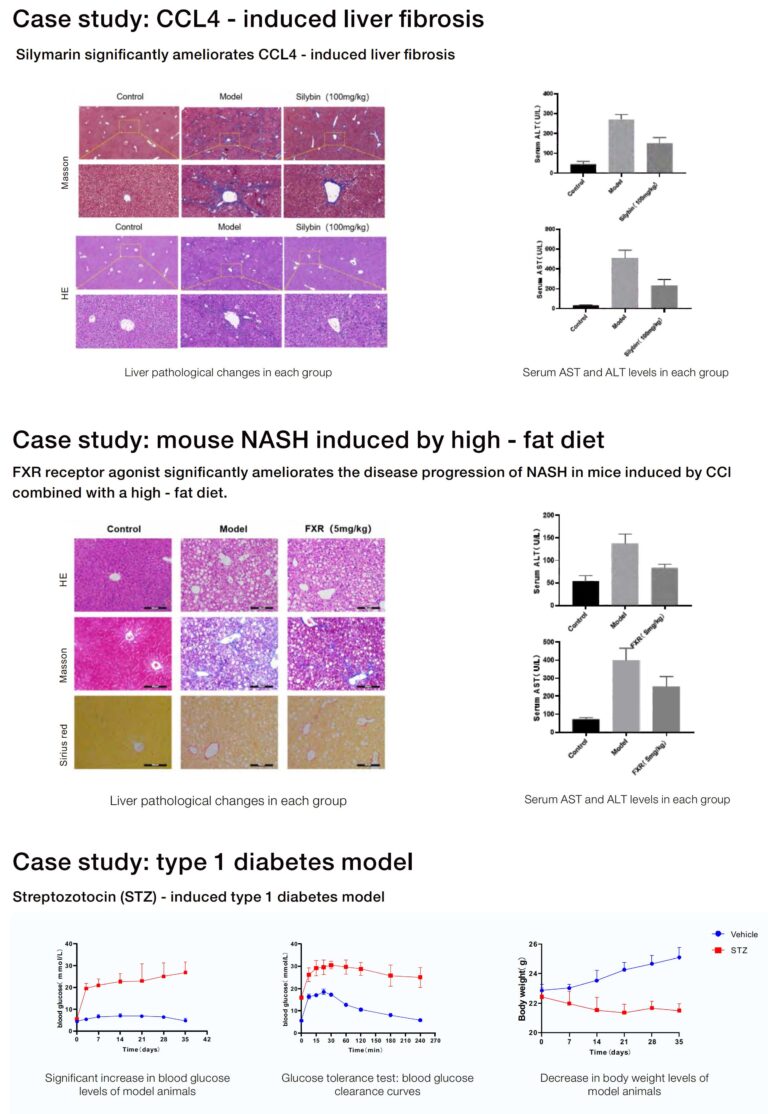
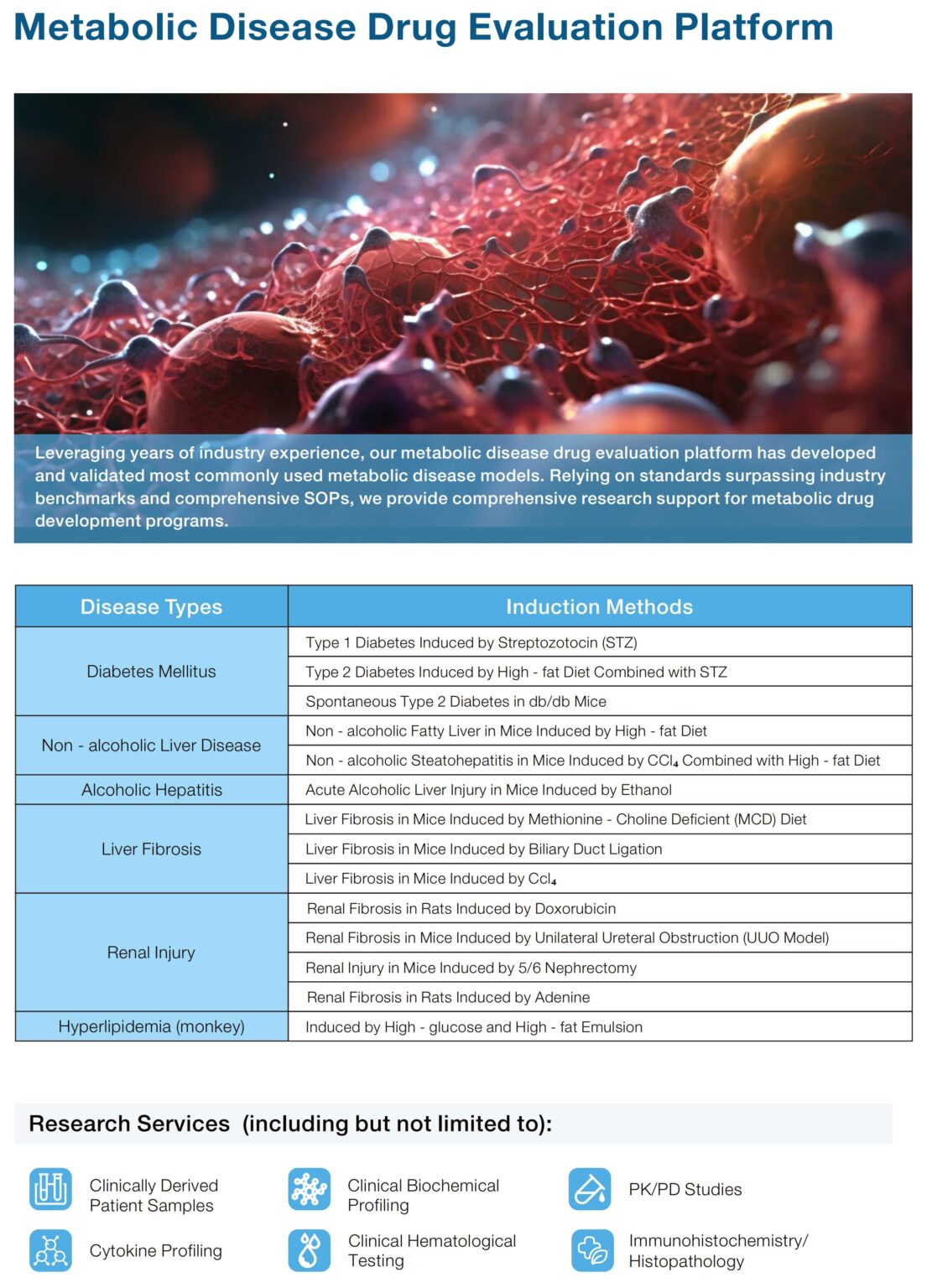
A targeted in vivo service standardizes the elements that matter. It pairs appropriate rodent models with defined induction methods (for example, a high-fat diet (HFD) regimen of explicit composition, duration, and phenotyping schedule), aligns PK sampling with PD biomarker collection, and enforces reproducible endpoints such as oral glucose tolerance tests and insulin sensitivity panels. The result is clearer go/no-go data that preserve resources. Providers who document environmental controls, diet composition, and precise sampling windows remove ambiguity and make results comparable across cohorts.
Choices, trade-offs, and a common misstep
Teams often oscillate between quicker in vitro screens and full in vivo packages. In vitro systems and organoids are useful for mechanism, but they cannot reveal systemic compensations or long-term metabolic adaptation. Computational models are complementary but must be trained on high-quality in vivo data. A frequent mistake is skipping pilot PK/PD studies; developers assume exposures scale linearly and then misinterpret negative efficacy as failure—this is avoidable with modest early investment. —A short, pragmatic pilot can expose metabolic compensation or off-target liabilities before large cohorts are committed.
Practical provider checklist
When choosing an in vivo partner, prioritize transparency and alignment with your candidate profile. Look for explicit documentation of animal models and induction protocols, such as the exact dietary fat percentage and feeding period for an HFD model, or strain-specific baseline glucose metrics. Confirm validated endpoint assays: timed glucose tolerance tests, insulin clamp parameters where relevant, and metabolic cage readouts. Ensure integrated PK/PD plans with defined sampling times tied to expected Tmax and half-life.
Three golden rules for evaluation
1) Reproducible models: insist on providers that supply detailed model SOPs (diet composition, induction period, housing conditions) so results can be replicated. 2) PK/PD integration: require synchronized sampling schedules with explicit timepoints tied to expected pharmacokinetics. 3) Translational endpoints: prioritize services that deliver dynamic metabolic readouts (glucose tolerance test, insulin resistance indices) rather than single static measures. These three metrics predict whether data will survive scrutiny in later GLP-bridging work and help you make earlier, evidence-based decisions.
Closing reflection and value alignment
When teams replace guesswork with structured in vivo pharmacology, timelines compress and decisions sharpen. The measurable returns are fewer late-stage failures, cleaner dose selection, and more defensible IND packages. For developers focused on metabolic targets, integrating rigorous animal data—drawn from well-described animal models of metabolic disease—becomes a strategic advantage that preserves both capital and time.
Jennio Biotech offers tested, transparent in vivo workflows that map PK to PD and standardize metabolic endpoints—real partners for teams that want to advance candidates with confidence. —