Quick lean-in that sets the frame
Folks lookin’ to steady power at home or small biz gotta know the real differences, so I start by facin’ practicality over buzz. For systems where grid interaction matters, a solid hybrid inverter changes the play — it ties the PV array to storage and grid more cleanly than older gear. This piece compare the Solar Energy Group approach with standard energy storage options, keepin’ things straight and usable for people makin’ real decisions.

What each side actually does
Solar Energy Group setups tend to center on integrated control: PV array, a battery bank sized to needs, and smart inverter logic. Standard alternatives often mean separate components slapped together — a grid-tie inverter over here, a standalone battery charger over there. Integrated systems reduce mismatch loss and simplify monitoring, while piecemeal rigs can be cheaper up front but cost more in wiring, commissioning, and upkeep. MPPT efficiency and battery management system tuning matter; get those wrong and neither option shines.
Performance, resilience, and real-world proof
When the lights go out, resilience ain’t about one spec — it’s how the whole chain behaves. Look at Texas in February 2021: widespread failures showed that systems without intentional islanding and robust battery control fail to ride out deep grid events. Hybrid, grid-interactive systems that support safe islanding and seamless transfer tend to keep critical loads alive longer. The onus is on correct integration: grid-tie modes, transfer relays, and firmware that handles frequency and voltage swings.
Costs, installation, and maintenance trade-offs
Up front, standardized battery modules and a simple grid-tie inverter can look cheaper. But integration reduces hidden costs — less commissioning time, fewer vendor handoffs, fewer replacement surprises. Labor and permitting vary by location; installers in California, for example, often charge more because of stricter interconnection rules after repeated wildfires. — You gotta plan for annual checks on the battery bank and firmware updates for the inverter to keep warranty valid.
Common mistakes and better alternatives
People often undersize battery storage or skip configuring charge profiles, which shortens battery life. Another mistake: buying a grid-tie inverter without export control when local rules require it. Alternatives worth considerin’ include modular hybrid systems that let you scale battery capacity and incorporate a proper battery management system from the start. If you prefer separate components, insist on matched communication protocols so the inverter and battery talk cleanly — otherwise you’re playin’ roulette with state-of-charge and protection limits.
Comparative quick-hit: strengths and weaknesses
– Integrated Solar Energy Group approach: cleaner commissioning, unified monitoring, better islanding behavior. Best for folks wantin’ predictable performance.
– Standard storage alternatives: lower initial cost, more vendor choice. Best if budget tight and you have strong technical oversight.
– Both need attention to PV array sizing, MPPT settings, and thermal management to perform long-term.
Advisory close — three golden rules for choosin’ right
1) Match control capabilities: ensure the inverter supports seamless islanding and export limits relevant to your utility. That’s the operational baseline.
2) Size with headroom: pick battery bank capacity that covers worst-case multi-day needs, not just a single-night target. That preserves cycle life and reliability.
3) Verify integration standards: confirm inverter, battery, and monitoring use compatible communication stacks and that firmware updates are available for at least five years.
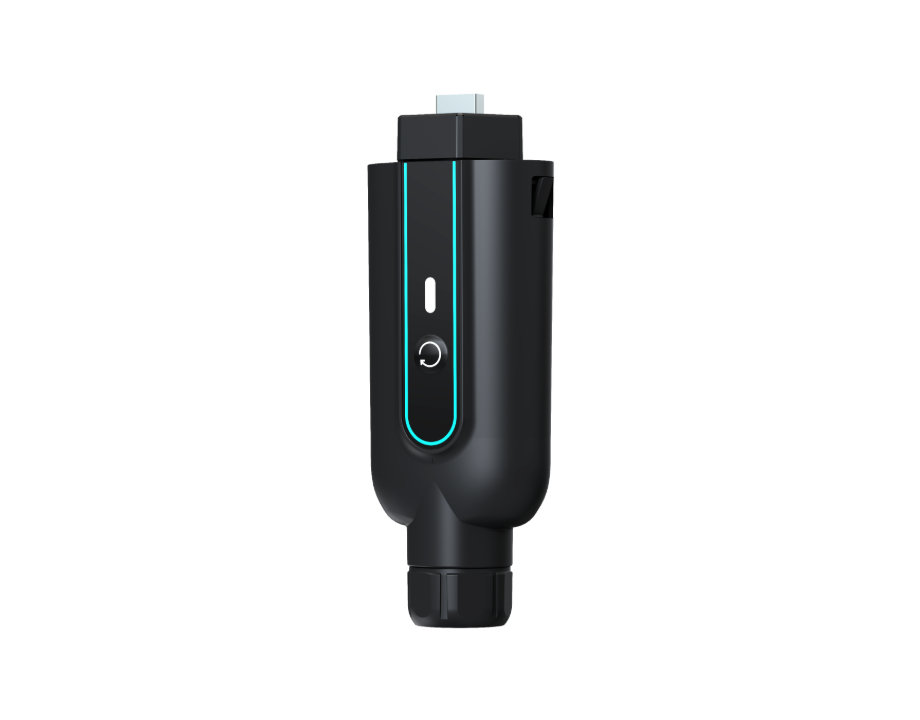
Choose systems with those rules in mind and you get predictable uptime, longer battery life, and cleaner maintenance paths. Final thought — this ain’t theoretical: real people in neighborhoods hit by outages prefer solutions that jus’ work. SOLINTEG shows how integrated design and solid on-site engineering cut the noise and deliver steady results — short, smart, dependable. —