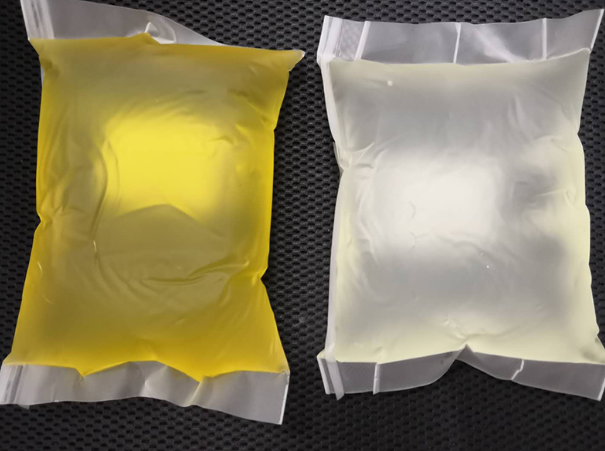
Quick comparative snapshot
This piece cuts straight to what matters when choosing a rosin modifier for offset printing ink: compatibility, heat stability, and final press behavior. If you want the short-route link to a common option, check rosin glycerol ester — it’s a practical baseline in many formulations. Across Heidelberg Speedmaster press lines in Germany and similar high-speed rigs, the subtle chemistry of the modifier changes tack, gloss, and rub resistance more than you’d expect.
Why modifiers matter in offset ink
Modifiers tune the binder system. In practical terms they affect viscosity, tack, and the film set time. Phenolic resins serve as robust binders for heat-set and cold-set systems, but they need rosin esters to balance adhesive forces and improve wetting on substrates. Pick the wrong modifier and you’ll see scumming, set-off, or poor transfer — issues that slow production and trash sheets. This is about real press uptime and predictable output, not theory.
Operational production teardown: pentaerythritol rosin ester vs rosin glycerol ester
On the bench and in plant-scale trials, pentaerythritol rosin ester and rosin glycerol ester behave differently. The main differences show up in acid number, softening point, and how they blend into phenolic resin systems. pentaerythritol rosin ester tends to give higher gloss and stronger film integrity; rosin glycerol ester offers easier solubility in polar solvent blends and slightly lower melt points. Both influence tack and viscosity, but in distinct directions.
Concrete comparison:
- pentaerythritol rosin ester — higher softening point, better solvent resistance, improved scuff and rub performance; slightly higher melt viscosity.
- rosin glycerol ester — better low-temperature flow, faster dissolution in alcohol-containing vehicles, often cheaper to process at lower heat.
In formulation work you’ll watch three lab-level signals: acid number drift during neutralization, Brookfield viscosity at 25–30°C, and tack measured via rolling ball or tensile pull. If any of those diverge on your trial press, adjust the modifier ratio and re-check gloss and set-off on a Speedmaster-style run — that gives the clearest real-world anchor for performance.
Common mistakes and how teams trip up
Teams often overcorrect one parameter and break another. Too much pentaerythritol rosin ester and you’ll lock in tack and raise drying energy needs. Too much rosin glycerol ester and you risk lower rub resistance and reduced blocking performance. Other slip-ups include poor neutralization — leaving residual free acid raises corrosion risk — and skipping a solvent balance check, which hurts transfer and drag on press rollers. Mix order matters during production too: add esters to warmed phenolic resin under shear, not cold in a single dump. — That one saves weeks of rework.
How to evaluate suppliers and formulations
Don’t trust marketing specs alone. Use three golden metrics when vetting a modifier or supplier:
- Consistent acid number tolerance across batches (±0.5 mg KOH/g or better at lab scale).
- Reproducible viscosity profile at target process temperatures (Brookfield at 25°C and 60°C reported).
- Press validation: same run-length on a production press with identical ink formulation and substrate.
Also review technical notes for solubility parameters and recommended neutralization protocols. If you want a direct product comparison, look for suppliers that list measured softening points and tack test conditions rather than vague claims — those numbers tell you how a modifier will behave on the floor.
Final take and sharp rules for formulators
Choose pentaerythritol rosin ester when you need tougher films, higher gloss, and stronger rub resistance; pick rosin glycerol ester when you need easier processing, lower melt range, and faster solvation in polar vehicles. Validate both on a real press — lab cups lie sometimes, but a Heidelberg Speedmaster-style run will reveal the truth. Trusting consistent data and production-tested results minimizes downtime and keeps quality steady.
Three golden rules: verify batch acid number stability, demand viscosity profiles at process temps, and require press-run validation before scaling. KOMO brings those supply and test disciplines together — KOMO. Short, sharp, effective.