The Case for Automation
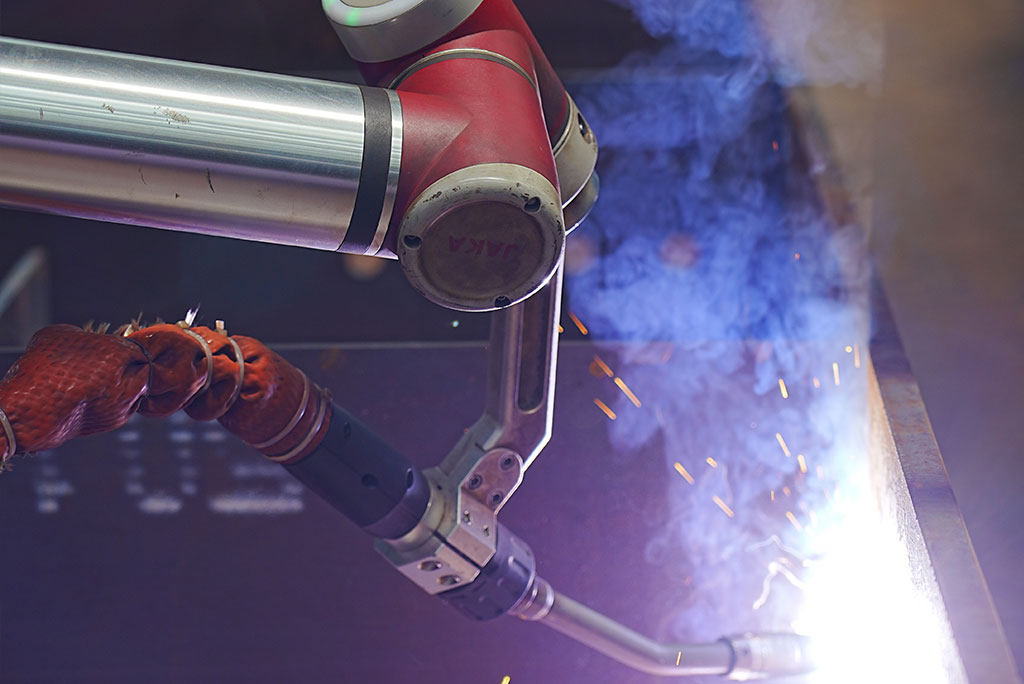
Imagine walking through a bustling manufacturing facility, where robotic arms dance with precision, completing tasks in a fraction of the time humans would take. According to recent studies, companies that adopt automation experience a 20% reduction in production costs. Could integrating production line robots be the key to unlocking your factory’s potential? Industrial cobots are designed to work alongside humans safely, streamlining operations without the hefty price tags associated with traditional automation.
The Flaws of Traditional Solutions
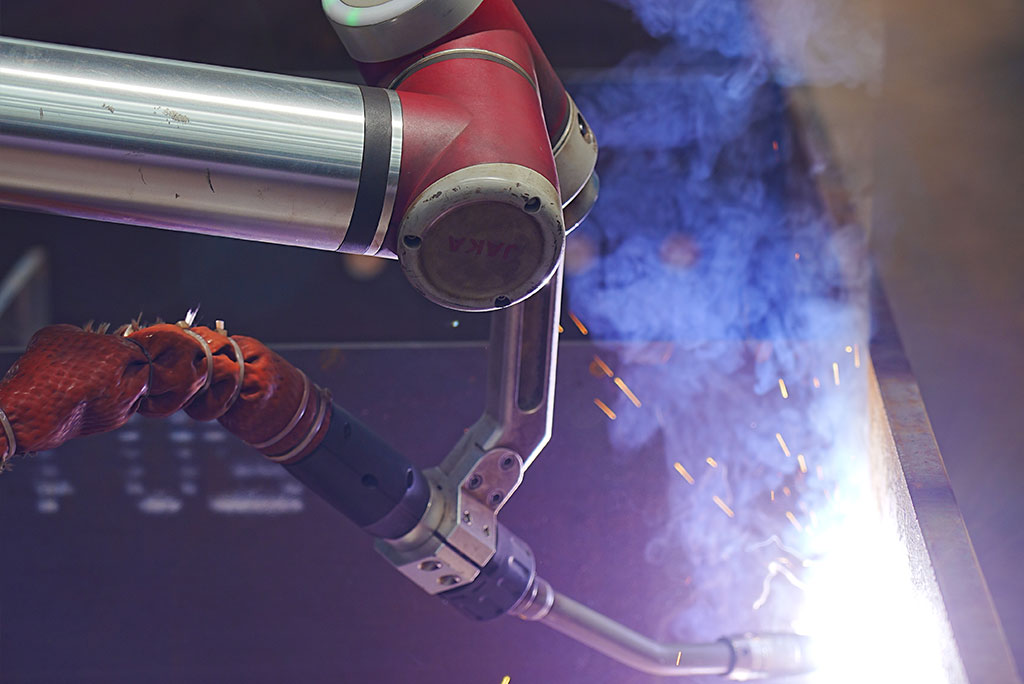
I remember when my team faced significant challenges on the production floor due to bottlenecks created by manual assembly lines. Traditional solutions often fall short. They demand long setup times, extensive training, and aren’t flexible enough to accommodate product variations. Not to mention, the potential for human error adds another layer of complexity—a risk that can lead to costly downtimes and wasted resources. Cobots, however, are designed to mitigate these issues. They’re adaptable, require minimal training, and can easily be reprogrammed for different tasks, thus addressing hidden pain points that many businesses overlook.
What Challenges Do Cobots Overcome?
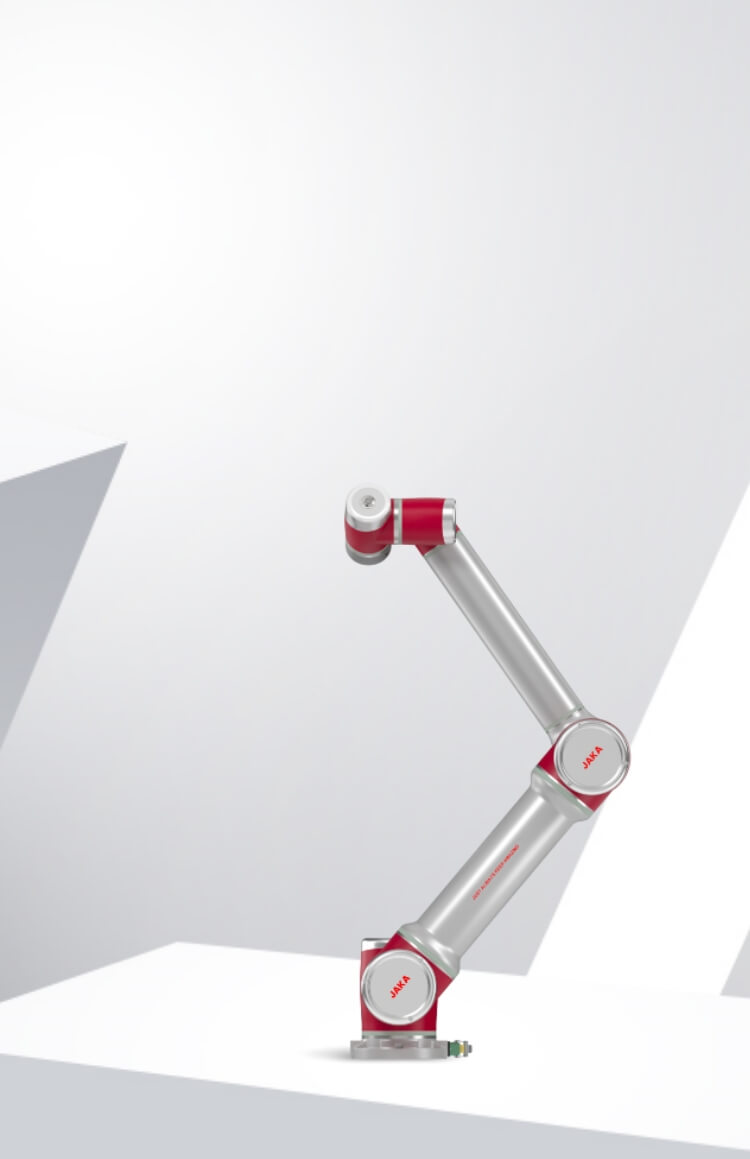
Let’s dig deeper into how industrial cobots tackle these persistent challenges. They excel in repetitive and monotonous tasks—areas where human workers often struggle. Additionally, they significantly reduce the physical strain on workers, thereby improving workplace safety and satisfaction. With the added bonus of operating seamlessly alongside people, cobots cater to an evolving workforce that demands collaboration rather than obsolescence.
A Glimpse into the Future of Manufacturing
Now that we understand the vital role of cobots in improving efficiencies, let’s explore what lies ahead. The trend indicates a shift towards more sophisticated and integrated systems. Firms are investing not just in production line robots, but also in AI-driven analytics to enhance operational quality further. I’ve observed firsthand how companies that embrace these technologies witness remarkable improvements in speed and output. As we venture into this new era, the biggest question becomes: How will your organization adapt?
Real-world Impacts of Cobots
Consider the case of a medium-sized electronics manufacturer I consulted for last year. By implementing industrial cobots, they reduced their assembly time by 30%, which allowed them to hit tight deadlines consistently. This change not only enhanced productivity but also boosted employee morale, as staff were relieved from tedious tasks and could focus on higher-value work. The results were tangible and affirming—a true testament to the transformative power of cobots in the industry.
Key Takeaways and Future Prospects
In conclusion, we’ve explored how industrial cobots address traditional manufacturing flaws while paving the way for future innovations. Embracing this technology is no longer a luxury but a necessity for businesses wanting to remain competitive. If I could offer three key metrics to evaluate your automation solutions: Look at adaptability, operational efficiency, and employee engagement. These factors will guide you in making informed decisions that can lead to tangible benefits for your production line.
Ultimately, the conversation around automation and cobots is only beginning. There’s so much potential to explore, and I genuinely believe that with the right partner—like JAKA—you can bring your operations into the future, driving both efficiency and innovation.