
Introduction — A familiar shop-floor scene
I once stood beside a small shop in Cebu where a machinist wiped oil from a worn workpiece and sighed — the deadline was tight, and the machine kept tripping alarms. CNC vertical machining center manufacturers are hearing that same worry across the Philippines and beyond. Recent shop-floor surveys show cycle-time increases of 8–12% when setups and maintenance lag (and yes, these numbers hit the bottom line). So what do we do when spindle speed and uptime start dictating whether a job is profitable or not? I’ve learned to ask bluntly: which fixes give the quickest, most visible gains — and which are just band-aids? — let’s unpack that next.
Part 2 — Hidden pains and broken fixes around the mini vertical machining center
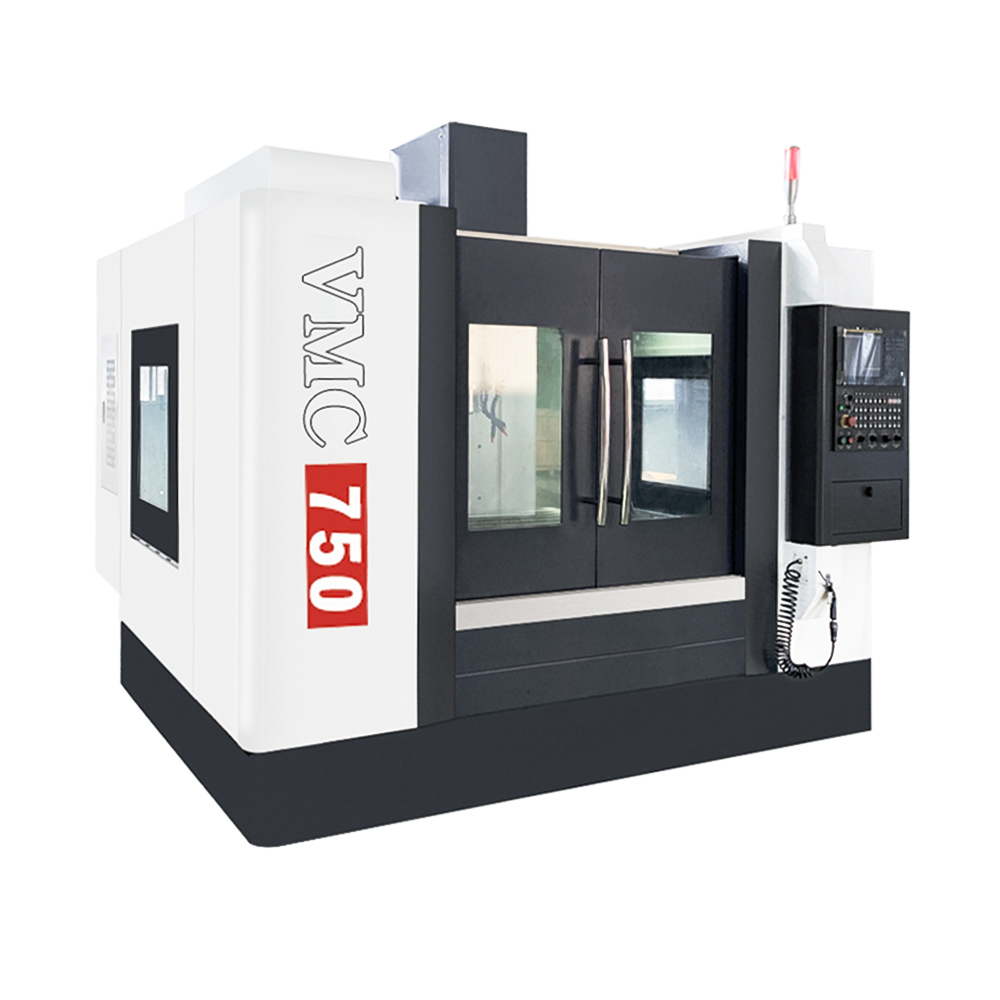
When I talk about a mini vertical machining center, I mean the compact machines that promise flexibility but often deliver headaches. Look, it’s simpler than you think: users buy compact units for space and cost savings, then face uptime problems tied to heat soak, worn linear guides, and imprecise tool changer indexing. Many suppliers push firmware updates or precision truing as a cure-all, but that misses a real point — the root problem is mismatched duty cycles. Shops run continuous production on equipment designed for intermittent, light work. I’ve seen controllers overworked, and servo motors that weren’t sized for the sustained torque. The result? Unexpected maintenance, higher reject rates, and frustrated operators. I call that a design–use mismatch, and it’s more common than folks admit.
Technically speaking, the symptoms are clear: vibration at certain spindle speeds, creeping tolerances after repeated cycles, and occasional communication drops from the CNC controller when edge computing nodes or power converters hiccup. These are not just “bad luck” events. They point to weak system-level decisions — from cooling design to belt tension and from spindle bearings to electrical earthing. I feel strongly that manufacturers and end-users both bear responsibility. We need honest specs, real duty-cycle ratings, and training that aligns with machine capability. Simple checks — torque logs, spindle runout tests, and tool changer alignment audits — catch most faults early. And yes, small changes in maintenance cadence can yield visible improvements in throughput and quality.
So, what’s the real flaw?
Part 3 — Where to next: principles, examples, and practical checks
Looking ahead, I favour solutions that match machine design to real shop demands. For example, new technology principles like predictive maintenance driven by vibration analytics and simple thermal profiling can save hours of downtime. A mini cnc machining center such as the one linked above can benefit massively from inexpensive sensors on the spindle and bearings — you don’t need a full IIoT suite to see gains. In one case I advised a shop to add just two accelerometers and a temperature probe; within weeks they reduced unplanned stops by nearly half — funny how that works, right? The key is targeted data, not data for data’s sake. Integrating that data to the CNC controller and reviewing alarms weekly helps turn numbers into action.
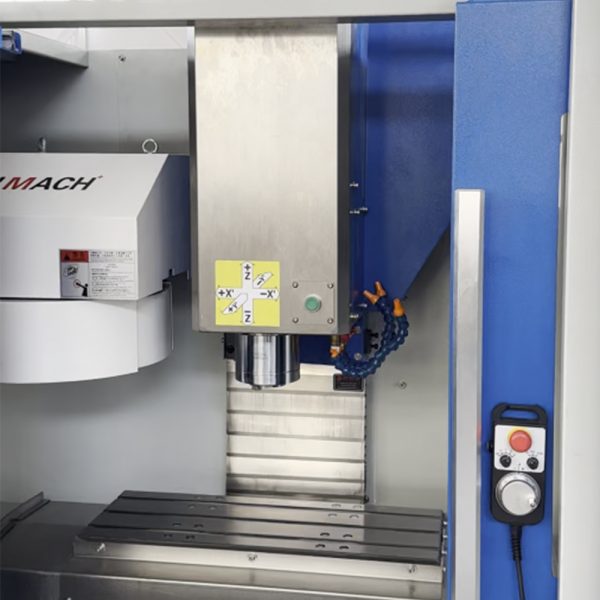
Practically, I recommend a three-point approach: assess capacity honestly, apply focused sensors where failures most often begin, and standardise simple daily checks so operators can spot drift early. Compare solutions not by flashy feature lists but by measurable improvements: mean time between failures, scrap percentage, and cycle-time variance. If you weigh spindle speed specs against real torque curves and add a look at tool changer reliability, you’ll pick equipment that fits your workflow. Also — invest in operator skill, because even the best controller won’t fix poor fixturing or sloppy setup. I’ve seen small investments in training deliver big dividends, and I stand by that.
What to measure — three quick metrics
1) Uptime percentage during peak shifts (target: improve by 5–10% in 3 months). 2) First-pass yield or scrap rate (target: reduce scrap by 20% over six months). 3) Setup-to-production time (target: shorten by measurable minutes per job). Use these as a checklist when evaluating new machines or upgrades — spindle runout, tool changer cycle time, and controller responsiveness should all be tested against these goals.
In closing, I’m optimistic but pragmatic. Choose machines and maintenance strategies that reflect real work, not glossy brochures. If you keep the focus on measurable outcomes and honest specs, you’ll see the gains (and your operators will sleep easier). For a practical partner that understands these trade-offs, I look to makers like Leichman.