
Introduction
Ever wonder why your knee still creaks after a full course of topical creams and ice packs? (Me too—I’ve been there.) In the last five years the market for light-based recovery tech has exploded—sales up, devices down to desktop sizes—and that surge pushed me to look closer at the players. As a red light therapy company watcher, I’ve tracked user feedback, lab notes, and yes, a fair bit of marketing spin. Data shows many users report 30–50% pain relief in short-term trials, but the real-world story is messier: who benefits, how fast, and for how long? That leads to a blunt question: which products truly move the needle on inflammation and which are smoke and mirrors?
I’ll be candid. I like clean tech and simple claims. I’ll point out what works, what doesn’t, and why some vendors overpromise. Along the way we’ll call out device design, LED output, and even the role of power converters—because those little parts matter. Ready to dig in? Let’s move on to problems under the hood.
Why Traditional Options Miss the Mark
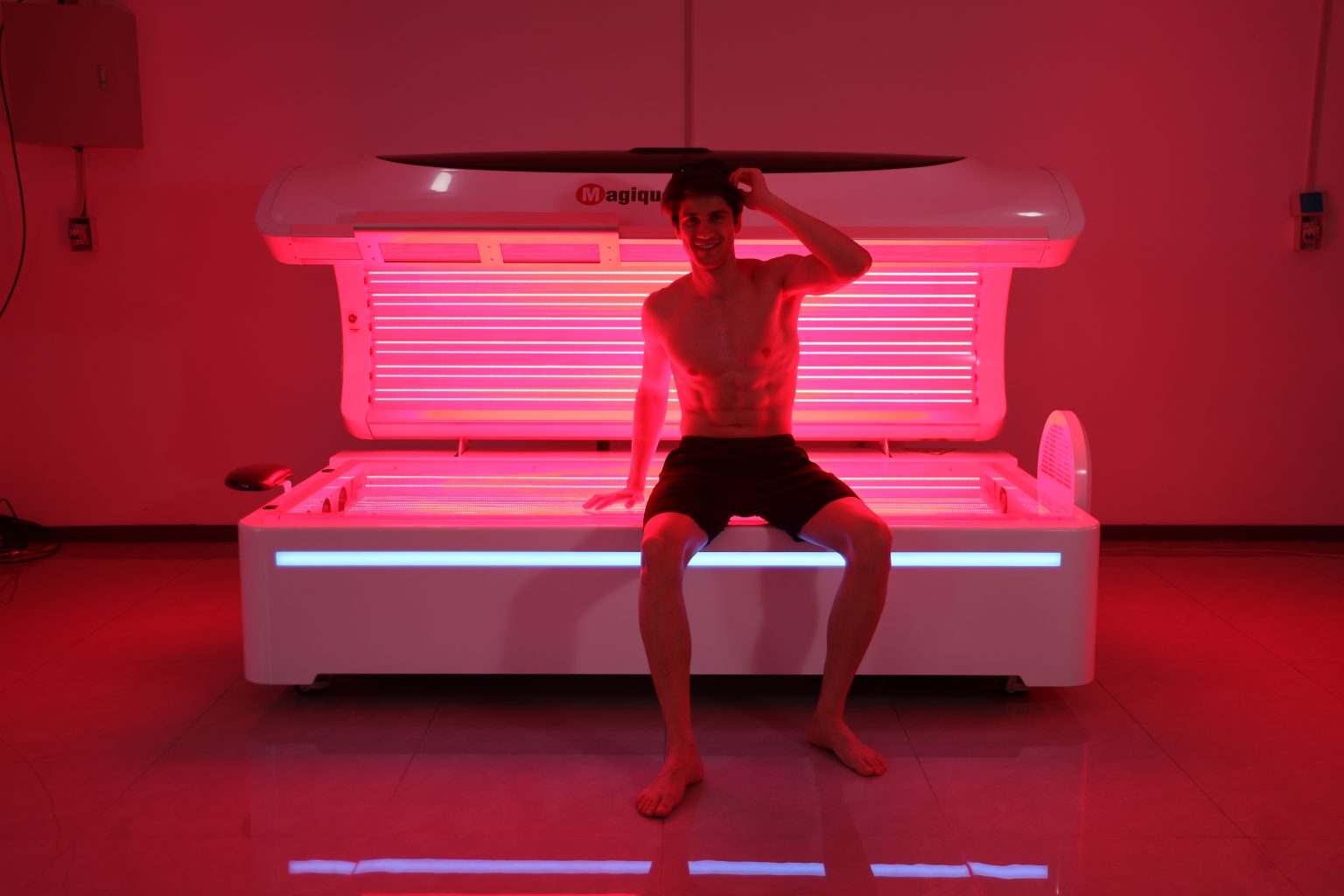
When I unpack an infrared light bed demo, the first thing I check is irradiance. Too many makers focus on pretty cases and forget the basics: the LED arrays, the correct wavelength, and how much energy actually reaches tissue. That’s a technical fail. Look, it’s simpler than you think: if the lights don’t deliver adequate irradiance at the target depth, you’re mostly buying ambiance. I’ve seen clinics use low-output panels and still expect deep tendon change. That mismatch creates disappointment and distrust—users blame the tech rather than the poor specs. We should call that out plainly.
What goes wrong in practice?
Most manufacturers under-emphasize treatment protocols. They sell time-per-session numbers without clarifying spot size, distance, or cumulative dose. Patients then follow short, vague instructions and wonder why inflammation returns. I’ve noted three steady pain points: inconsistent wavelength claims (red vs near-infrared confusion), weak irradiance across the treatment area, and cheap power converters that let output sag over longer sessions. Those flaws add up. Clinicians and consumers deserve better benchmarks and real-world testing. — funny how that works, right?
Looking Ahead: Smarter Red Light Solutions
What’s next? I lean toward a blend of better engineering and clearer protocols. New devices that pair optimized LED arrays with verified wavelength profiles can reach therapeutic depths more reliably. Take the refined infrared light bed designs some labs are piloting: they balance surface irradiance with coverage, so users get even exposure without hotspots. We also need simple performance metrics—think delivered joules per cm², steady-state irradiance, and verified wavelength bands. These metrics help clinics compare options side-by-side.
Real-world Impact
In practice, that shift means fewer trial-and-error sessions for patients. I’ve watched case studies where a clinic switched to devices with verified specs and saw faster, more consistent inflammation reduction. Adoption won’t be overnight. There are cost pressures and supply chain quirks—power converters and component sourcing matter. But the payoff is measurable: better outcomes, less wasted time, and stronger trust. If you’re assessing solutions, ask for third-party irradiance tests, look at LED array layout, and check long-term output stability.
Choosing a Solution: Three Practical Metrics
Let me leave you with three concrete checks I use when evaluating red light therapy systems: first, delivered energy density (joules/cm²) per session—this tells you the real dose. Second, steady-state irradiance across the treatment surface—uniform exposure beats a single bright spot. Third, verified wavelength bands and component quality—insist on specs for wavelength and durable power converters or drivers. These measures reduce guesswork and help you pick devices that actually address inflammation and pain. I’m not saying this is easy—supply chains and budgets complicate choices—but these metrics cut through the noise.
In short: demand clarity, test reports, and honest protocols. I’ve seen the difference in clinics that updated their gear—patient satisfaction improved, repeat visits dropped, outcomes looked better on paper and felt better in practice. For anyone comparing vendors or platforms, that’s the practical lens I use. For product updates and technical resources, check out Magique Power.