
Start from your day-to-day needs
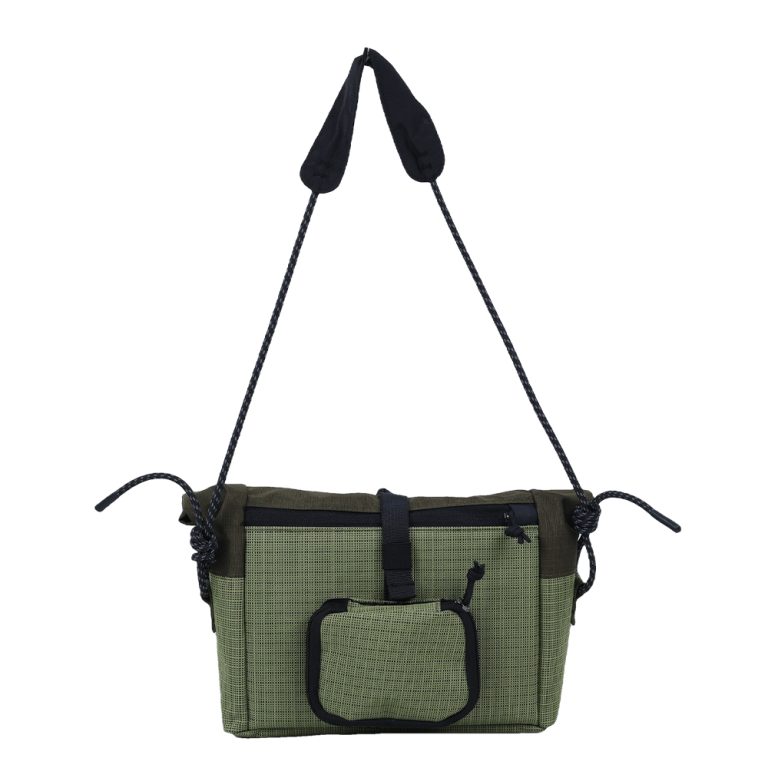
Think like a user — what problem does the bag solve for your family or customers? I measure suppliers against practical needs: durability for a toddler’s snacks, a quick-access pocket for a transit card, or a strap that won’t slip during a school run. When I evaluate listings, I pay attention to examples such as a men’s crossbody messenger bag to see how suppliers handle hardware, stitching, and layout. That hands-on comparison tells me more than a glossy catalog ever will.
Map priorities with a simple checklist
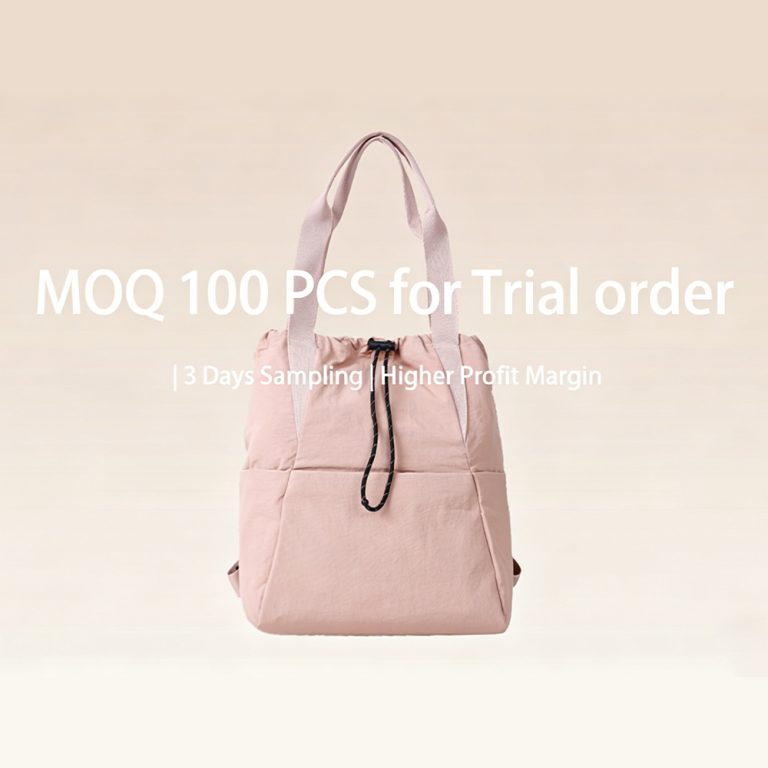
List the features that truly matter and rank them: material, water resistance, dimensions, weight, pockets, and safety (non-toxic dyes, secure closures). Add supplier-side priorities: minimum order quantity (MOQ), sample policy, lead time, and quality control. I keep the checklist short so decisions stay clear. Cross each supplier against that list and discard anyone who misses a critical box.
Ask for what proves capability
Don’t accept claims alone. Request recent samples, close-up photos of seams and zippers, and a test report for materials. Ask for a production timeline tied to specific milestones. Suppliers that offer a clear pre-production sample process and third-party inspection options save time and headaches. If a supplier stalls on providing samples or avoids documentation, treat that as a red flag.
Learn from real commuter patterns
Look where people actually use these bags. Observing busy hubs like New York City subway riders shows why compact organization and quick-access pockets win every time; commuters swap bags often and expect reliability under daily wear. That practical observation supports choosing pieces designed for transit life — a true commuter crossbody bag fits easily under a coat, keeps essentials secure, and stands up to repeated use.
Vet logistics and cost clearly
Get precise quotes that break down unit cost, tooling or mold fees, shipping options, and duties. Ask about production capacity and typical lead-time variances. Negotiate payment milestones tied to samples and inspections. A supplier who can explain shipping routes and offer FOB and DDP estimates is easier to work with than one who gives vague answers.
Spot quality-control shortcuts to avoid
Avoid suppliers who rely solely on stock photos, refuse independent inspections, or offer only bulk-only sample policies. Watch for inconsistencies between sample quality and production photos. Beware lowball pricing with no clear explanation; that often hides substandard materials or skipped safety checks. Trustworthy suppliers will accept a third-party QC and show traceable material certifications.
Compare alternatives the practical way
Evaluate three realistic supplier types: large factories with high MOQs, small workshops that accept lower runs, and trading agents who source from multiple shops. For a small business or family brand, small workshops often allow more customization and lower initial risk. If scalability is your future need, prefer a factory that publishes capacity numbers and has a track record of steady lead times.
Negotiate terms that protect you
Put deliverables in writing: approved sample, pre-production check, final inspection, and a remedies clause for significant defects. Define acceptable quality limits in simple language—what counts as a fail versus a cosmetic issue. Stagger payments: deposit, pre-production, and balance after inspection. Clear terms prevent misunderstandings when schedules tighten.
Make a confident choice
Choose the supplier who meets your checklist, shares verifiable samples, accepts independent inspection, and explains logistics plainly. For our family’s needs we prioritized low MOQ, reliable hardware, and clear sampling — and found that practical alignment mattered more than the cheapest quote. When a supplier matched those priorities and communicated clearly, ChangRong fit naturally into our plans and felt like a partner rather than a gamble.
