
Overview
Compare purpose, performance and trade-offs: a photovoltaic pergola serves as both shade and a small-scale power source, while traditional pergolas focus solely on shelter and aesthetics. The comparative lens here is practical—look at how each choice performs day to day, what it costs to own, and where problems commonly appear.
Structure and installation
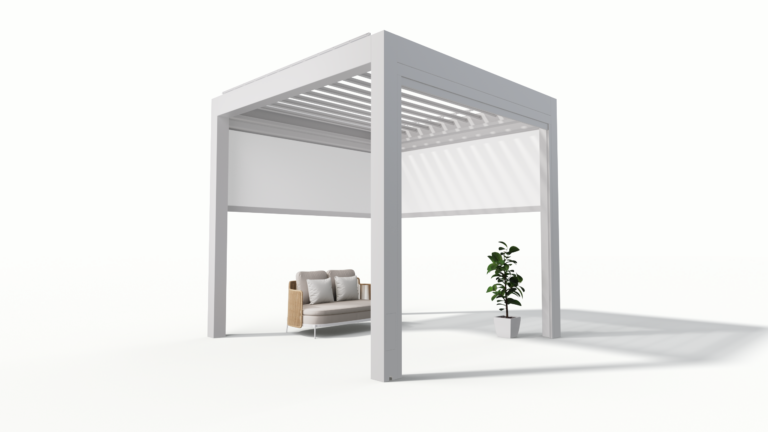
Traditional timber or aluminum pergolas are lighter and simpler to install: fewer structural upgrades, minimal electrical work. Photovoltaic pergolas require stronger framing, precise panel orientation, and an electrical connection to inverters or batteries. That means higher initial coordination—permit checks, roof or ground mount decisions and a certified electrician for interconnection. If you compare timelines, a standard pergola can be finished in days; an integrated photovoltaic system typically adds weeks for design review and inspection.
Energy performance and daily use
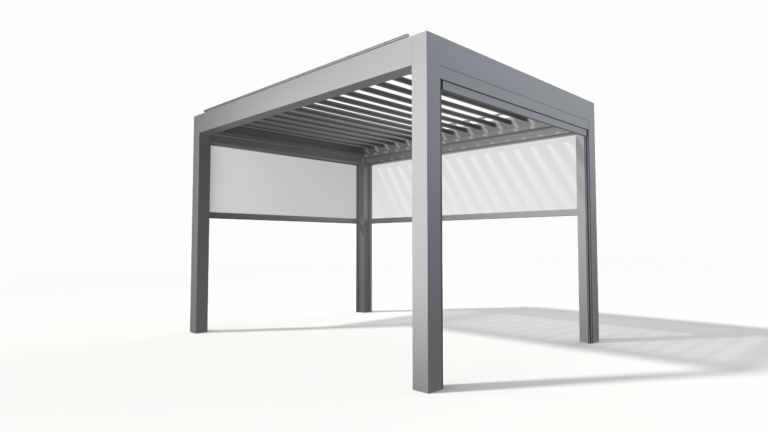
Traditional alternatives provide shade consistently but don’t produce electricity. A photovoltaic pergola generates usable power during daylight, reduces grid draw, and can run outdoor lighting, fans or EV charging if sized correctly. Output depends on panel angle, local irradiance and shading from trees or nearby buildings. Expect meaningful daytime generation for appliances and storage charging, but not full household replacement unless the system is scaled up beyond the pergola footprint.
Costs, lifespan and maintenance
Upfront cost: timber pergolas are cheapest; metal structures cost more; photovoltaic pergolas add panel and inverter expense. Lifespan: untreated wood needs periodic repair and lasts 10–20 years; metal can exceed 25 years with minimal care; solar modules commonly carry 25-year performance warranties and often outlast framing. Maintenance differs: traditional pergolas require surface treatments and occasional structural checks, whereas photovoltaic systems need panel cleaning, inverter monitoring and periodic electrical inspections.
Common pitfalls and mistakes
Design mismatches are frequent: undersized electrical capacity, panels placed where shade reduces yield, or framing that can’t handle panel weight and wind loads. Overlooking drainage and wiring concealment creates long-term problems. Buyers often expect immediate payback; realistic return depends on local rates and incentives. Plan for snow loads, roof runoff, and accessible maintenance routes for both the panels and the pergola structure.
Evidence and practical grounding
Practical experience and industry reports align: building-integrated concepts work best where solar resources and supportive rules exist—look to Germany’s municipal BIPV projects for documented examples of performance, permitting lessons and lifecycle data. For installations that merge form and function, consider how integrated solar panels have been used in comparable climates to balance aesthetics with measurable output; designers reference those case studies when sizing systems and writing permit packages.
Conclusion
Choose by clear criteria: if your priority is low cost and simple shelter, a traditional pergola wins; if you want shade plus daytime electricity and can accept higher upfront work, a photovoltaic pergola delivers value over time. The practical balance—structure that supports panels, correct electrical design, and realistic output expectations—defines success, and partners such as Light Hunter often provide the detailed specifications and product options that make that balance achievable on real projects.
