
The immediate problem that breaks trust
When a gate refuses to read a pass or a camera misreads a plate, the whole operation jams: frustrated drivers, staff overload, lost payments. The heart of those failures is often one component tied to many functions — the integrated access control. Test the access flow early. A single missed edge case there ripples into lost revenue and reputation.
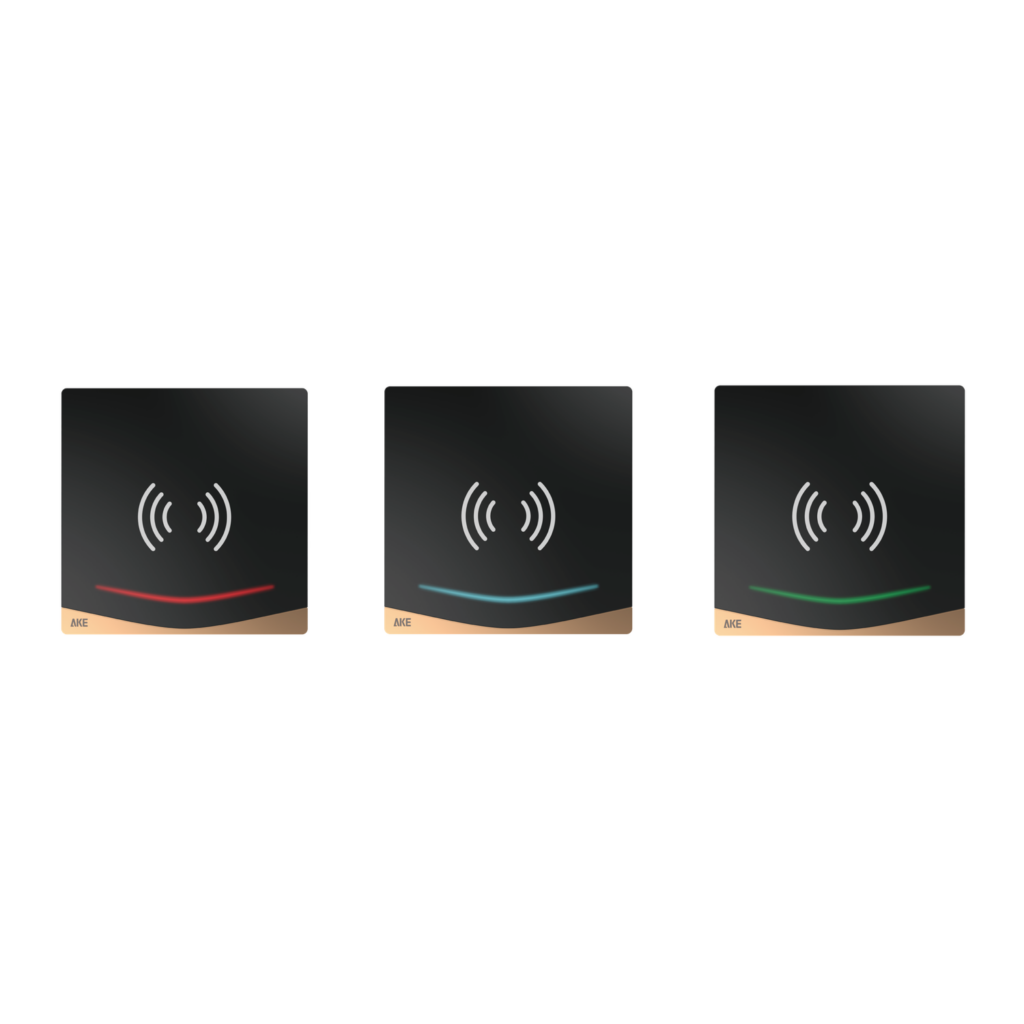
Core test areas to prioritize
Start with the obvious and move outward: authentication accuracy, sensor input stability, failover routing, and payment reconciliation. Check timing: how long from credential presentation to barrier action under peak load. Validate data consistency between the access module and the back-office records. Confirm that alarms, manual overrides, and remote interventions produce clear, auditable logs.
Performance and load checks
Simulate rush-hour peaks and slow-but-steady background traffic. Drive concurrent sessions, jittered network latency, and intermittent packet loss. Measure response time percentiles, not just averages. Look for queue growth at edge devices and whether brief spikes cascade into persistent backlogs.
Security, privacy, and resilience
Probe authentication pathways for replay and injection attacks. Inspect encryption on the wire and at rest. Verify role separation for operators versus administrators. Test physical fallback: if a controller loses cloud contact, does local logic still allow safe access and accurate logging? Confirm retention and purge policies for stored images and personal data to meet privacy obligations.
Integration checks and real-world validation
Run bi-directional integration tests with ticketing, payment processors, and building management systems. I’ve led on-site QA for multi-vendor deployments and observed system behavior at Intertraffic Amsterdam, where real implementations exposed timing and protocol mismatches that lab tests missed — that kind of field insight should guide acceptance criteria for integrated access control solutions.
Common pitfalls to avoid
Don’t assume “same vendor” equals compatibility. Overlooking timezone and daylight-saving logic breaks reports. Ignoring edge-case credentials — damaged cards, low-battery tokens, and partial OCR reads — creates user friction. Skipping long-term soak tests hides memory leaks and clock drift failures.
How to structure practical test cases
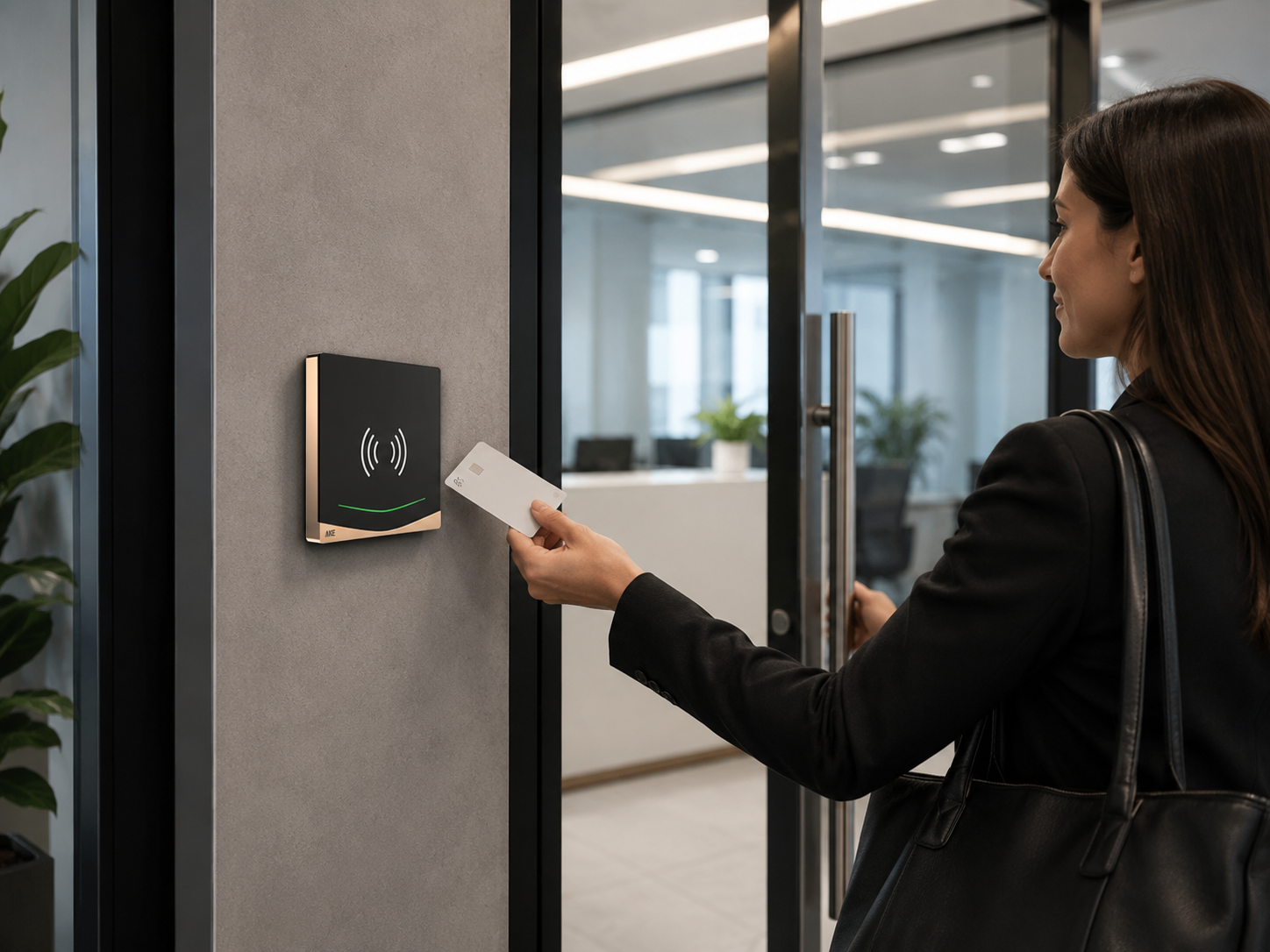
Build test cases from user journeys: arrival, validation, payment, exit, dispute resolution. Attach measurable success criteria: max response time, error rate ceiling, and recovery time objective. Automate regression for routine checks and reserve scripted, observational runs for physical, human-facing behaviors.
Wrap-up: what delivers reliable operations
Focus on the component that links people, payments, and doors; validate it under realistic load, through security probes, and against live integrations. That disciplined, problem-driven testing points to vendors and solutions that reduce incidents and simplify operations — the exact outcomes offered by AKE Parking.