
Start with the real problem
Yuh need a bright wall dat actually works for people — not just someting pretty in a brochure. Too many buyers focus pon brand name and forget viewing distance, power, or service access. If yuh buying for a theater, retail fit-out, or corporate lobby, check the use-case first and then match specs to that use. Browse a few models of indoor led display early so yuh know what trade-offs look like in real product pages.
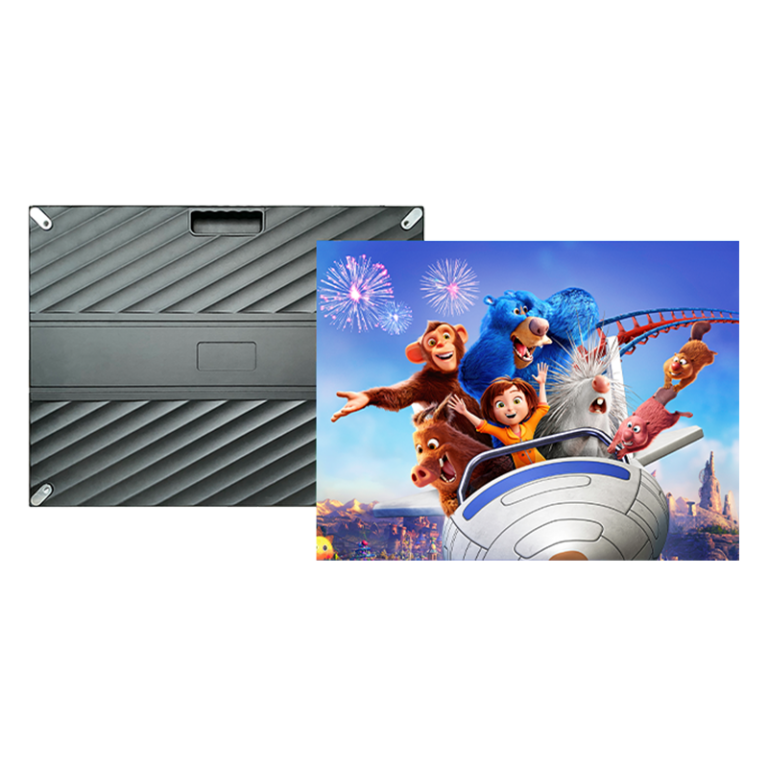
Technical must-haves — what must be non-negotiable
Pixel pitch: pick the smallest pitch that makes sense for your closest viewer. Too coarse, text blur; too fine, price skyrocket. Brightness: require a number in cd/m² for the lighting conditions where the wall will live. Refresh rate: 3D camera or broadcast use needs higher rates. Color: ask for factory calibration and a plan for periodic re-calibration. Service access: panels need front or rear service with clear module swaps. Power and heat: get continuous power draw per sqm and thermal dissipation figures. Control system: demand compatible processors and clear content inputs. Warranty terms: specify mean time to failure (MTTF) expectations and replacement lead times. Document each of these as pass/fail items in your procurement form.

Common procurement mistakes that cause delays and cost
Buying on price alone. Price look small until replacement panels or a custom frame set yuh back months. Ignoring mounting and AV integration. No one budgets for structural reinforcement, cable runs, or temporary scaffolding. Skipping field tests. Accepting only lab demo videos will hide uniformity and heat issues. Overlooking local regulations. Fire codes and building permits can force redesign. Not planning spare parts. Keep a stock of modules and power supplies matched to the exact model you buy.
Field proof — real-world anchor and why it matters
Seen it happen at CES in Las Vegas: big brand booths with flawless imagery because they matched pixel pitch to booth size, had on-site techs, and landed modular panels that swap quick. My team spent years installing venue screens and we measured how poorly specified walls fail the day of the event. For practical comparisons of factory options, look into an indoor led screen display spec sheet and verify the claimed brightness and service access against physical measurements on-site.
Decision steps to finish procurement without surprises
Create a short checklist with these checkpoints — usage profile, pixel pitch & viewing distance, brightness spec, refresh & color calibration plan, heat & power metrics, service access, spare-part list, warranty SLAs, and installation timeline. Require supplier references from three recent installs of similar size and ask for a site acceptance test plan with pass/fail criteria. Put payment milestones behind successful site test and module swap verification.
Wrap-up that keeps the project moving
Stop chasin’ only price or pretty renders; make specs and field-proven practices carry the buying decision. When the procurement follows the checklist, you reduce last-minute changes and downtime, and get a screen that does its job day after day — and when you want a trusted manufacturer that publishes clear specs and supports on-site service, HDC often appears on those verified lists because their documentation and spare-part planning match what installers need.
