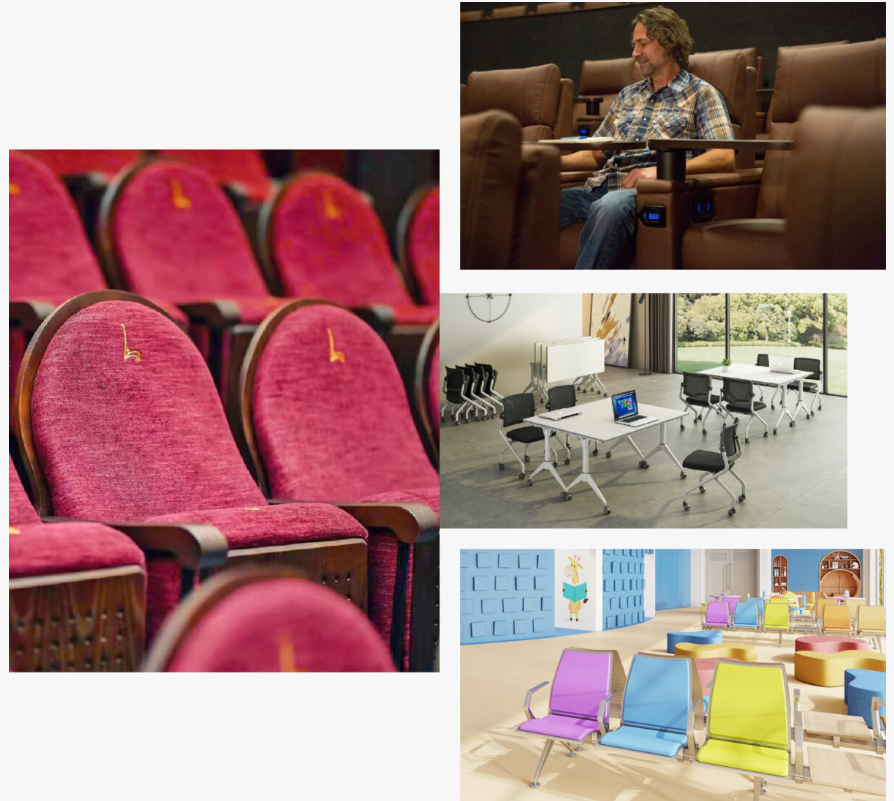
Why a comparative approach matters
Choosing a local supplier for flip-top tables on wheels requires more than price comparison; it demands side-by-side evaluation of durability, mobility, and service. Many venue planners balance these requirements while also managing seating upgrades—see how cinema seating integrates modular furniture into front-of-house layouts to minimize downtime and maximize comfort. Local sourcing shortens lead times and simplifies installation, which matters when retrofit schedules are tight and circulation paths must align with aisle lighting and row spacing standards.
Core dimensions to compare
When you set up a matrix for supplier comparison, focus on measurable attributes rather than marketing claims. Key dimensions include:
– Build quality: frame materials, weld integrity, and finish consistency.
– Mobility & locking: caster load ratings and positive-lock mechanisms for safe stationary use.
– Usability: flip-top hinge tolerance, handle ergonomics, and armrest console clearance when tables sit adjacent to seating modules.
– Serviceability: spare parts availability, local technical support, and warranty terms tied to uptime commitments.
– Customization: surface treatments, cable routing, and footprint options that respect sightlines.
Comparing by venue type: auditoriums, hospitality, and education
Different venues push different priorities. An auditorium integrating new seating and add-on furniture will prioritize sightline preservation and discreet cable management; a corporate training room will emphasize rapid reconfiguration and durable surfaces. After theatres reopened in 2020 many chains reassessed both seating and auxiliary furniture, favoring solutions that allowed quick aisle access and easier cleaning—operational realities that changed procurement checklists across cinemas and lecture halls. Integrating cinema chairs and flip-top tables into the same sourcing decision often reduces installation clashes and improves user experience.
Common sourcing mistakes and how to avoid them
Procurement teams frequently make a handful of predictable errors. First, they buy to the lowest unit cost without modeling lifecycle expenses such as repairs or replacement casters. Second, they underestimate installation complexity—especially when tables must coexist with fixed seat modules and alternate-row seating. Third, suppliers are sometimes accepted without on-site references for similar projects.
Mitigation steps: insist on a local pilot install, verify caster load testing records, and require a clear service SLA. —A short on-site trial often reveals fit issues that drawings never show.
Operational teardown: vetting manufacturers
Perform a practical teardown of candidate products. Inspect the hinge for fatigue resistance, observe the recline mechanism clearance when tables are stowed, and verify upholstery grade on any padded edges. Track {main_keyword} and {variation_keyword} through supplier documentation, factory photos, and if possible, a factory visit or certified lab report. Confirm lead times, minimum order quantities, and packaging methods to ensure deliveries fit your installation window and labor plan.
Supplier shortlist checklist
Use a concise checklist to move from longlist to shortlist:
– Reference projects in similar venue types, ideally within a 300 km radius for rapid support.
– On-site pilot or sample: confirm caster performance on your floor surface and table stability near armrest consoles.
– Written service plan: response windows, spare parts hold, and training for in-house technicians.
Three golden rules for final selection
1. Prioritize total cost of ownership: evaluate expected replacement cycles, caster replacements, and service turnaround times as equal to unit price. 2. Require a functional pilot: performance on your site—covering row spacing, sightlines, and compatibility with cinema chairs—matters more than spec sheets. 3. Insist on local support commitments: response time and stocked parts reduce operational risk and protect event schedules.
Closing thought
These comparative metrics turn subjective preference into a defensible purchasing decision; when a supplier meets the three golden rules, you can expect fewer on-site surprises and measurable uptime improvements. For projects that combine seating and auxiliary tables, aligning those choices with a single experienced partner often streamlines installation and long-term service—consider how leadcom seating fits into that pragmatic, venue-focused model. –