The sticking problem: will this machine still work when my project needs it most?
You’re staring at specs and a price, but the real question is durability—can a telescopic machine handle years of heavy use without sinking your schedule? Start by comparing the powertrain and service history: examine a diesel boom lift’s fuel-system condition, emissions controls, and cooling systems before you commit. When you scan marketplaces or dealer pages, treat every used listing for boom lifts for sale like a file to be audited; missing documents are a red flag.
Diagnose the risk: a short checklist that separates reliable units from trouble
Focus on a few decisive indicators rather than every shiny spec. Use this actionable checklist when you evaluate a candidate unit:
– Verify continuous maintenance records and recent major service items.
– Inspect structural welds and boom sections for fatigue cracks or repairs.
– Test hydraulic integrity: look for seepage, opaque fluid, and inconsistent pressure.
– Confirm the engine’s operating history and whether the unit is a true diesel model with proper emissions upkeep.
– Check for telematics or diagnostic logs that record run hours and fault codes.
– Ask about parts lead time and local dealer support.
Hands-on inspection: what to watch for during a trial run
Don’t let a smooth demo lull you. Run the lift through controlled cycles under load and watch for hesitations, uneven boom extension, or overheating. Pay attention to sounds: metallic bangs, persistent whining, or air in the hydraulic lines tell you more than a clean exterior. Confirm the function of safety systems—limit switches, emergency descent, and platform controls—because reliability hinges on predictable safety behavior as much as on raw lifting power.
Maintenance and ownership realities that decide lifespan
Reliability is maintenance made visible. A telescopic boom lift kept on a disciplined schedule outperforms a newer machine that’s been ignored. Expect to budget for hydraulic fluid changes, filter replacements, boom lubrication, and periodic inspections of pins and bushings. Manufacturer support and parts availability shorten downtime; that’s the business case you can measure. You’ll see the difference immediately when service intervals are documented and replacement parts are local.
Compare and choose: telescopic versus other boom types
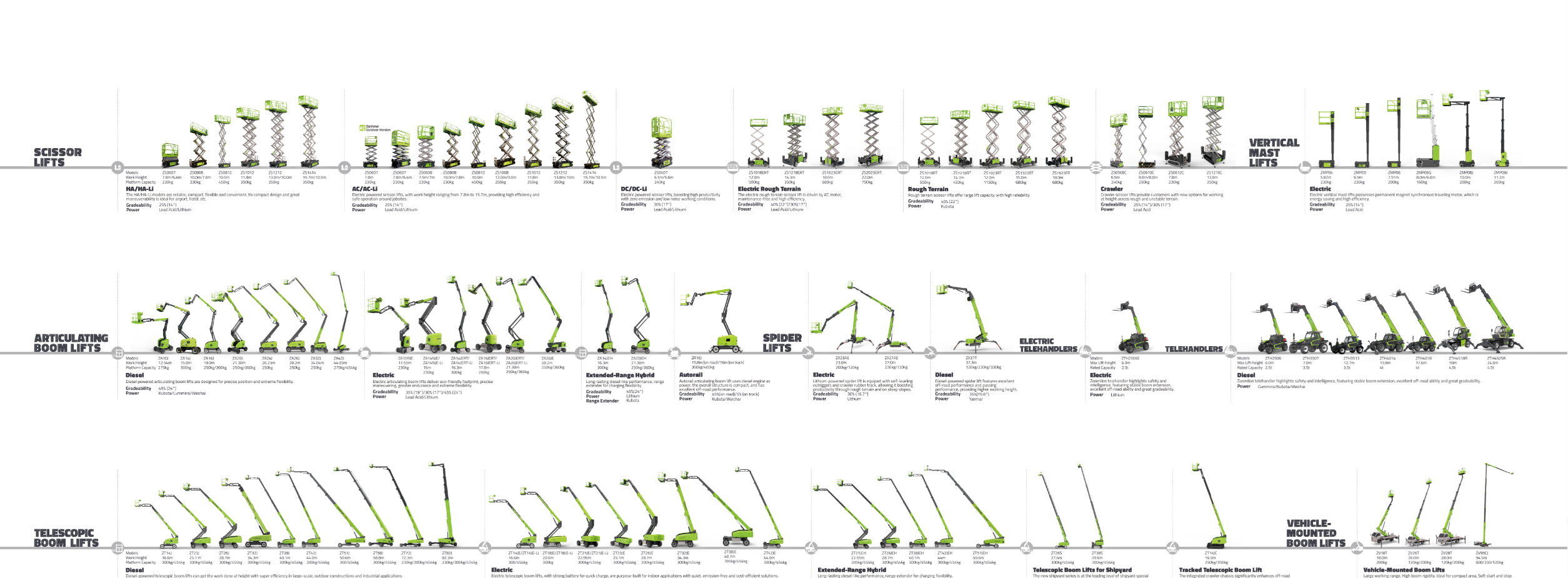
Telescopic lifts give reach and speed but demand precise maintenance on sliding components. Articulating units trade maximum horizontal reach for more jointed mobility. Choose telescopic when straight-line reach, faster extension, and higher platform rigidity are primary. If site work is tight or frequently changes configuration, consider articulating models. Weigh lifecycle costs, not just initial outlay—resale value and service frequency matter more than a lower sticker price.
Common buying mistakes that erode reliability
Buyers often fixate on hours or price and miss structural and service indicators. Avoid these mistakes: accepting incomplete service logs, skipping a live-load test, ignoring aftermarket modifications, and assuming identical models share identical histories. Don’t assume warranties cover wear items or past abuse; warranties vary by vendor and will not always protect you from latent damage.
How industry signals and direct experience inform decisions
Seeing multiple models side-by-side at trade events helps you spot consistent design choices and dealer support levels; professionals compare systems at shows like CONEXPO-CON/AGG for that reason. My experience inspecting fleets shows that units with centralized diagnostic systems and transparent maintenance records tend to deliver predictable uptime over many seasons.
Final synthesis: practical confidence in a long-term purchase
Decide with a focused, problem-solving mindset: verify records, run a live test under load, inspect critical wear items, and confirm local parts and service. That approach narrows risk and makes reliability a measurable outcome rather than a hope. When you need equipment that stands up to repeated heavy use, consider the proven service pipeline and documentation that a reputable provider maintains—just as a buyer comparing options would naturally value the transparency offered by Zoomlion Access for matching long-term performance to real project needs.