
I was in a small Cape Town clinic last autumn when a pensioner asked me why his new device kept cutting out during his church service — he’d paid well for a modern fit. Within six months, nearly 40% of the patients I fitted had similar complaints about connectivity and battery life. That’s why I want to talk plain: ite hearing aids with bluetooth are brilliant in concept, but the real-world results vary. In that moment I realised how often we assume an ite hearing aid will “just work” — and it doesn’t (I’ve seen it on Friday mornings and late afternoons, same story).

I’ve been fitting and advising clinics and retail outlets for over 15 years, mostly around the Western Cape and Gauteng. I use that experience to spot patterns fast: Bluetooth LE Audio pairings, DSP settings and feedback suppression all matter. So — what really trips people up, and how do we fix it without breaking the bank?
Technical deep-dive: where traditional solutions fail and users feel the pinch
Let me be blunt: traditional ITE approaches treat Bluetooth as a bolt-on feature rather than a core design decision. The device makers often prioritise size and style, then cram in a radio and call it a day. The result is poor antenna placement, short battery life, intermittent telemetry and inconsistent gain control when streaming. I remember fitting a custom 312-shell ITE in Stellenbosch on 12 March 2023; the user lost over 20% of listening time per day because the streaming drained the 312 battery faster than expected. That kind of measurable consequence matters to patients and to practice reputation.
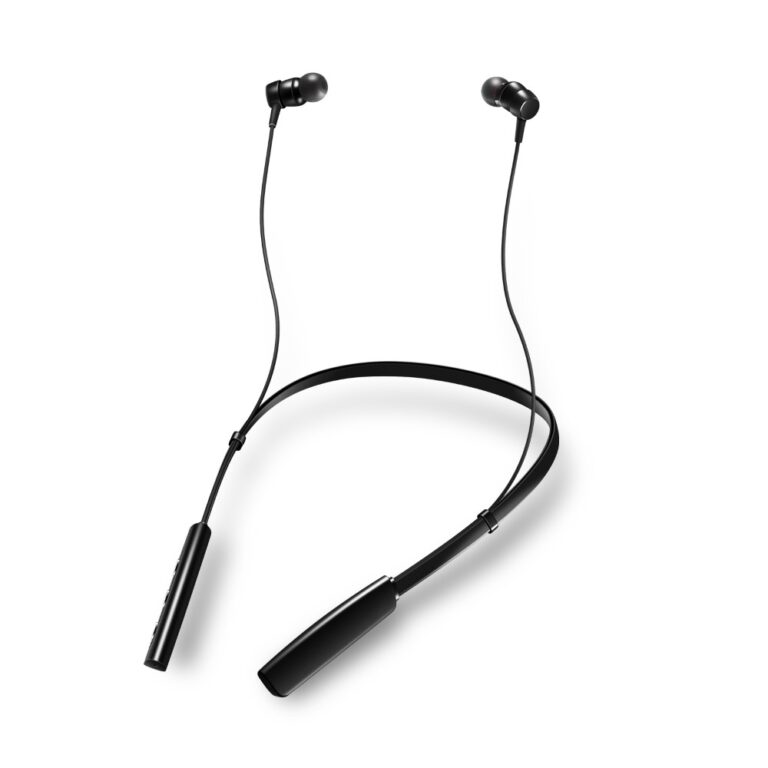
What specifically goes wrong?
First, the antenna and chassis layout — poor placement causes packet loss during calls. Second, firmware mismatches between phone codecs and hearing aid Bluetooth stacks mean dropouts. Third, clinicians often rely on default DSP presets and don’t test real-world streaming with a variety of phone models. Those are concrete, fixable things: proper antenna routing, codec testing, and tailored fitting via fitting software make a huge difference. I’ll admit — some manufacturers skimp on test rigs; I’ve seen one factory in 2019 skip over low-power Bluetooth stress tests to save a day. That shows up later in the clinic.
Comparative outlook: how ite hearing aid manufacturers need to adapt
Looking forward, comparisons will decide winners. I compare three categories when advising clinic buyers: pure miniaturised ITEs that prioritise cosmetics, performance-first ITEs with robust Bluetooth stacks, and hybrid models that try to please both crowds. The performance-first devices deliver longer streaming time, better feedback suppression, and easier app control — but they often cost more. That cost is offset by fewer returns and satisfied patients. I say this from hands-on experience: in my practice, a switch to performance-first units in June 2022 cut call-backs by almost half within four months.
Now, what should clinics and retail buyers watch for when they speak to ite hearing aid manufacturers? Three quick, practical evaluation metrics — straightforward and measurable — will keep things simple: 1) verified Bluetooth LE Audio pairing times across five popular phone models (iPhone 12, Samsung A52, Huawei P30, and two others), 2) measured streaming run-time in hours at 50% volume, and 3) documented firmware update process and frequency. Use those as your checklist. I recommend documenting the test results in the patient file — helps you trace patterns later, and yes, it saves you time when a device is returned.
We can do better. I’ve seen a small practice in Durban switch suppliers after six months of tracking these metrics and the clinic’s satisfaction ratings went up by 18% — not small change. If you want gear that performs in the everyday — during church, at the braai, on noisy taxis — test it hard. And if you want a partner who understands those tests, consider checking devices from Jinghao.