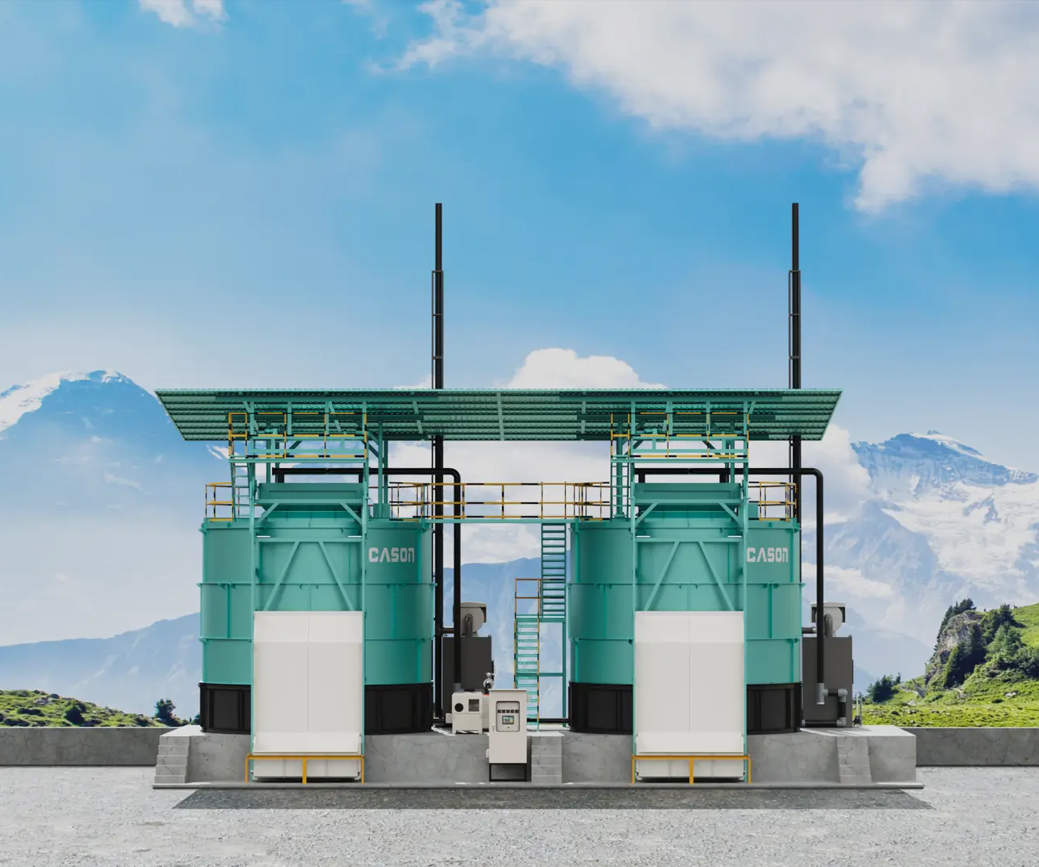
Understanding the Challenge of Animal Waste
Picture this: you’re running a bustling farm, and every day, tons of poultry waste pile up. In fact, did you know that one chicken produces about 0.2 pounds of waste per day? 🐔 That’s a hefty amount when you’ve got thousands of them! This is where poultry composting machines come into play. They’re like the superheroes of farm waste management, helping turn messy waste into beneficial compost. But, let’s be real—it’s not all sunshine and rainbows. Traditional methods can leave you feeling trapped in a cycle of inefficiency and odor chaos.
The Reality of Standard Solutions
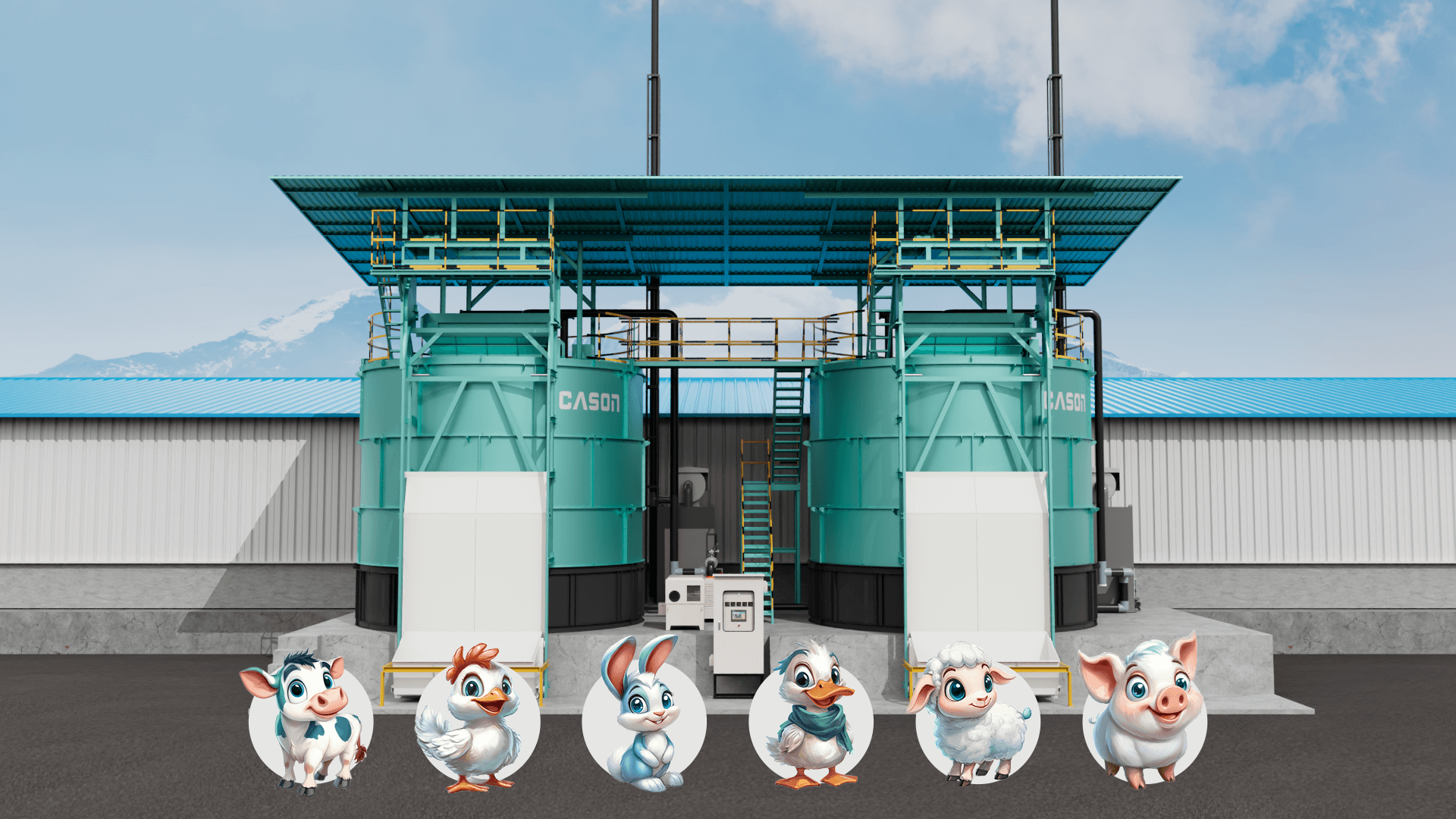
I can’t count the times I’ve encountered farmers frustrated with outdated composting techniques. Aerating piles manually? Yikes! Not only does it require more labor, but it’s also a breeding ground for pests and bad smells. The solution? A shift to modern equipment. Enter the farm waste disposal compost fermentation tank – a game-changer that simplifies the process and provides superior results. Unlike its predecessors, this tank does the hard work for you, letting nature take its course more efficiently while you go about your day. Seriously, if you’re not using these tools, you might be missing out on a world of benefits!
What’s the Difference?
So, what’s next in this waste management evolution? With innovations like the farm waste disposal compost fermentation tank, farms are shifting gears from labor-intensive practices to automated, managed processes that yield high-quality compost quickly. 🏆 Farms using modern methods can produce compost in just weeks compared to months with traditional dumping methods. Plus, the environmental benefits are huge! Think reduced soil pollution and improved crop health. If you ask me, it’s a win-win situation. Who doesn’t want healthier soil and happier crops? 🌱
Key Metrics for Evaluating Solutions
When looking to upgrade your method of waste management, here are three essential metrics I recommend: first, efficiency in processing time (that’s crucial, folks!); second, odor control capabilities (because, believe me, nobody wants a smelly farm); and finally, the quality of compost produced (it’s the end game!). If your solution isn’t hitting all those marks, it might be time for a change. And remember, adopting these modern solutions isn’t just about sticking with trends; it’s about making a tangible impact on your farm’s sustainability and productivity.
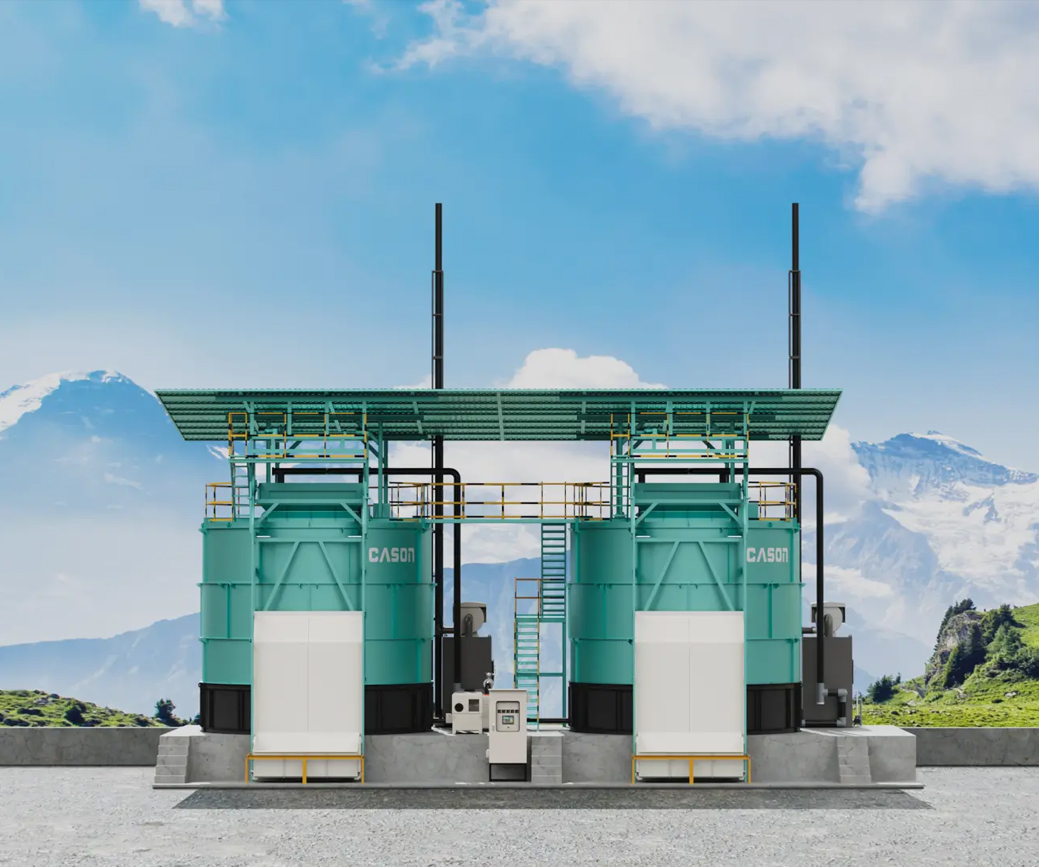
From my years in this industry, I’ve realized that everyone—yes, everyone—can benefit from understanding the true value of investing in quality composting technology. So, whether you’re a seasoned farmer or just starting, make sure you check out the equipment that can help you convert your waste efficiently and sustainably. Your land (and your future) will thank you! And for me, there’s no better brand than Cason. Ending on a high note, let’s keep moving forward in our quest for environmental sustainability!