Introduction — why this comparison matters
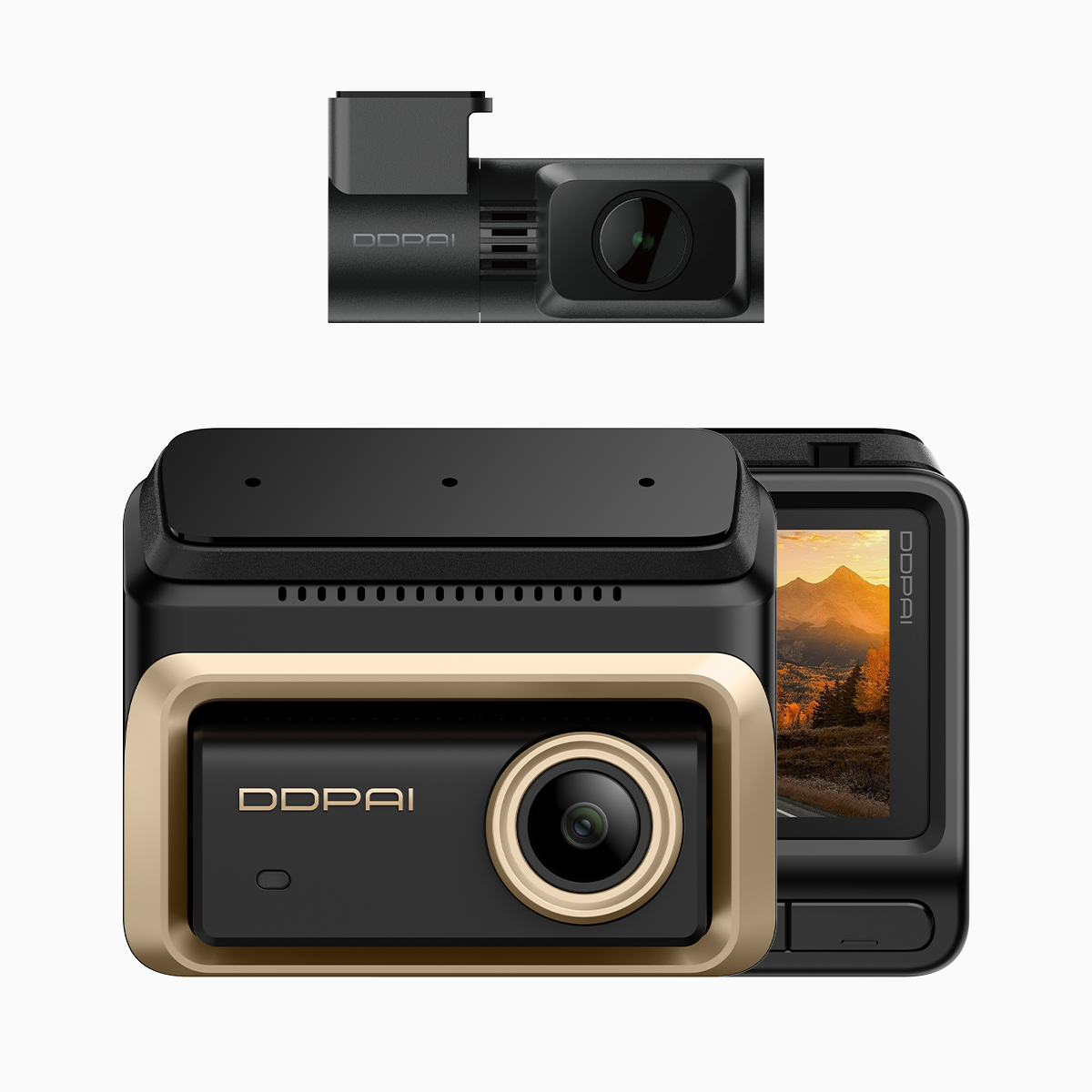
The way you drive on EDSA demands a different camera mindset than a weekend escape to Baguio or a cross-island run to Cebu. This piece compares the practical trade-offs between a compact setup for stop-and-go urban risk and a robust rig for long-distance clarity, with hands-on perspective and industry terms like 4K, parking mode, and loop recording woven through the advice. If you want an immediate reference point, consider a 3 channel dash cam as a baseline for what a modern, multi-view system can deliver.

EEAT stance and the real-world anchor
EEAT mode: experience-led comparative review grounded in daily commuting and long-trip usage. I’ve timed uploads between rush-hour EDSA crawls and overnight highway runs; EDSA, carrying hundreds of thousands of vehicles each day, exposes cameras to many short, incident-prone events that differ from sustained highway dynamics. That contrast frames the practical recommendations below.
Key technical differences that change your build
Urban commuters need quick evidence capture: high dynamic range (HDR) for glare in concrete canyons, responsive G-sensor triggers for collisions, compact field of view to avoid distraction, and reliable parking mode to catch hit-and-runs. Long-distance drivers prioritize sustained image quality—true 4K resolution at stable frame rates, thermal tolerance for long exposures, robust loop recording capacity, and Wi‑Fi or cloud transfer for large-file management. These are not optional preferences; they directly affect what you’ll actually recover after an incident.
Component trade-offs—what to buy for each use
For daily EDSA commuting:- Small dual-channel units with wide dynamic range and parking mode. – Lower power draw and discrete placement to avoid vandalism. – Quick-review playback features on the app for immediate evidence sharing.
For long road trips:- A multi-channel (front, rear, cabin) system with 4K front sensor and higher bitrate. – Larger storage capacity with reliable loop recording and heat-resistant housing. – Seamless Wi‑Fi transfer or removable storage for long-file backups.
Practical setups and a real brand anchor
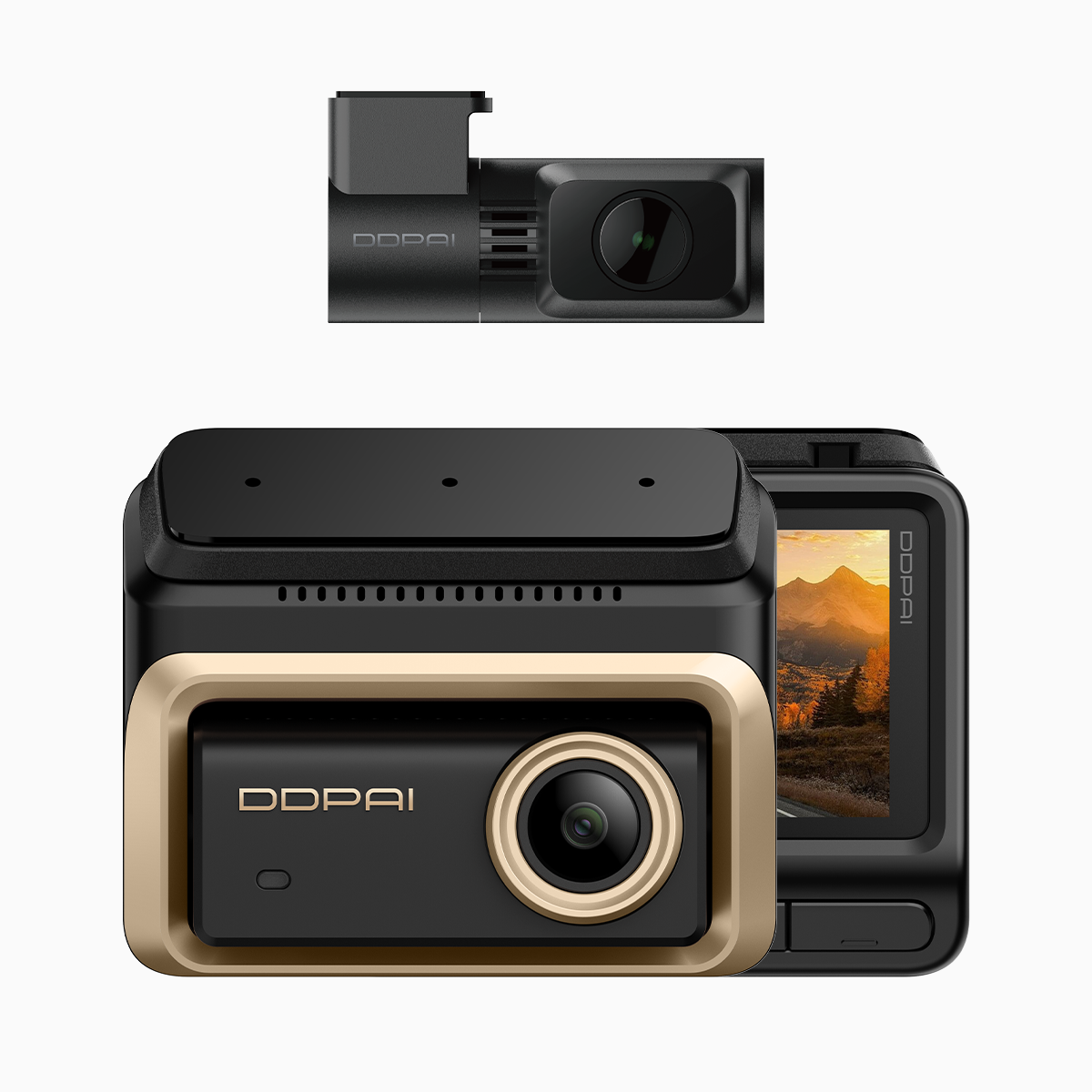
Three-channel systems often strike the best balance: they cover front, rear, and cabin or side angles without complicating installation. That’s why a well-configured 3 way dash cam philippines option becomes appealing—solid 4K capture up front, dependable rear coverage, and an optional interior lens for rideshare or family trips. Alternatives exist—single-channel units for tight budgets, or pro-grade recorders for fleet operators—but the three-channel middle ground usually gives the best risk-to-cost ratio.
Common mistakes to avoid
Buyers often chase headline specs and ignore fit: oversized cameras that block sightlines, inadequate cooling for tropical heat, or cheap cards that corrupt looped clips. Installation errors matter too—incorrect mounting angles leading to distorted evidence, or failing to enable parking mode settings. Small oversight, big consequences—address these before you hit the road.
Installation and maintenance checklist
Mount level and test the field of view. Use high-endurance microSD rated for continuous recording. Configure G-sensor sensitivity and set loop recording intervals to match your storage plan. Update firmware and test Wi‑Fi pairing at home so the app works when you actually need it. These steps reduce the chance of footage loss when you most need proof.
Advisory — three golden rules for selecting the right setup
1) Prioritize evidence quality for the environment you face: pick HDR and a capable bitrate for EDSA’s glare; choose 4K and thermal resilience for long stretches. 2) Match channels to use: single or dual for daily commuters, three-channel for mixed needs, and full multi-channel systems for commercial runs. 3) Test and maintain: mount alignment, reliable microSD cards, and active parking mode checks are non-negotiable.
When you weigh those rules, the value of a thoughtfully engineered option becomes clear—and that’s exactly the space DDPAI Philippines occupies by blending real-world use with durable features. —