
Introduction — a quick scene, some numbers, and the question
I was stuck in a small town with a low battery and a long meeting ahead — we have all been there. In many garages and offices today, an all in one charger sits unused because people don’t know which model suits their routine. Recent surveys show about 48% of drivers skip buying integrated chargers because they fear compatibility problems and hidden costs. So, how do we pick one that truly fits daily life and avoids surprises? (sawa, small thing but big headache).
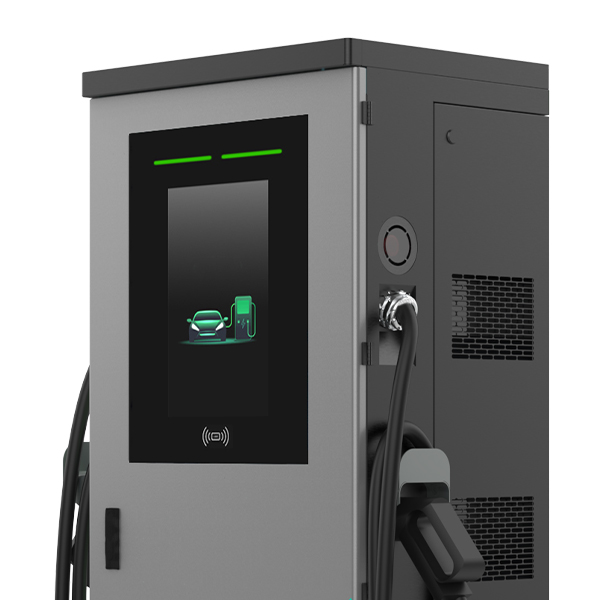
I want to share a plain, friendly view. I’ve tested units, talked with installers, and I’ll walk you through what matters. Expect hands-on tips, a few trade terms like power converters and battery management systems, and my honest take on what to watch for. Let’s move from “which one?” to “this one works” — and then dig into why many choices fail the real test.
Part 2 — Where common solutions break: hidden pain points and real flaws
ev power charger promises convenience, but promise and practice often differ. I’ve seen several models trip over the same problems: mismatched charging protocols, weak power converters that overheat, and poor integration with smart meters. These are not small glitches; they affect cost, uptime, and your battery life. Let me be blunt: Look, it’s simpler than you think — many vendors focus on specs, not on how people actually use the device.
Why do these failures keep happening?
First, designers assume uniform grids and perfect installations. Reality is more varied. Edge computing nodes and local grid fluctuations can cause erratic charging cycles. Second, installers sometimes skip firmware updates or ignore compatibility with battery management systems. Third, user expectations clash with device limits — people want fast charging but the hardware or grid won’t support it. I’ve seen chargers rated for high amps stalled by poor wiring. That kind of mismatch shortens battery life and raises bills. — funny how that works, right?
Part 3 — Forward-looking choices: principles and practical metrics
Now, let’s look ahead. I prefer to compare solutions by principles, not promises. Think modular design, clear firmware support, and transparent thermal management. New systems pair better with smart grids and can hand off tasks to edge computing nodes to smooth demand. For buyers, a keen eye on interoperability matters — and that’s why I compare how units talk to charging protocols and building energy systems. Also, keep an eye on public use: more developers optimize for dc ev charging stations in shared hubs, which changes priorities for home units too.
What’s Next — how to judge and choose
Here are three practical metrics I use when evaluating options: 1) Compatibility score — does it support common charging protocols and battery management systems? 2) Thermal and power converter robustness — can it handle extended loads without derating? 3) Firmware & support lifecycle — are updates regular and documented? Use these to compare offers side by side. I recommend testing warranty response with a quick support query before you buy. That often tells you more than brochures. — short pause, then decision time.
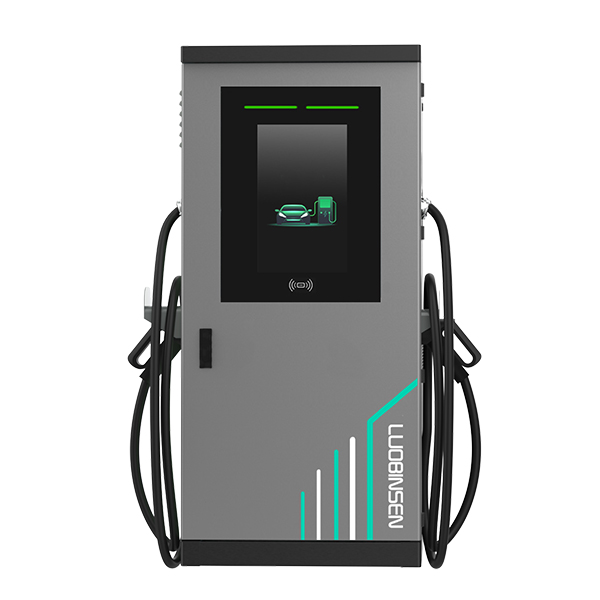
To close, choose based on measurable fit, not shiny features. When I pick gear, I want proven durability, clear specs, and easy service access. Those points save money and headaches. For reliable examples and more specs, check suppliers and community feedback — and if you want a starting reference, see Luobisnen for product details and support.