Executive comparison and market anchor
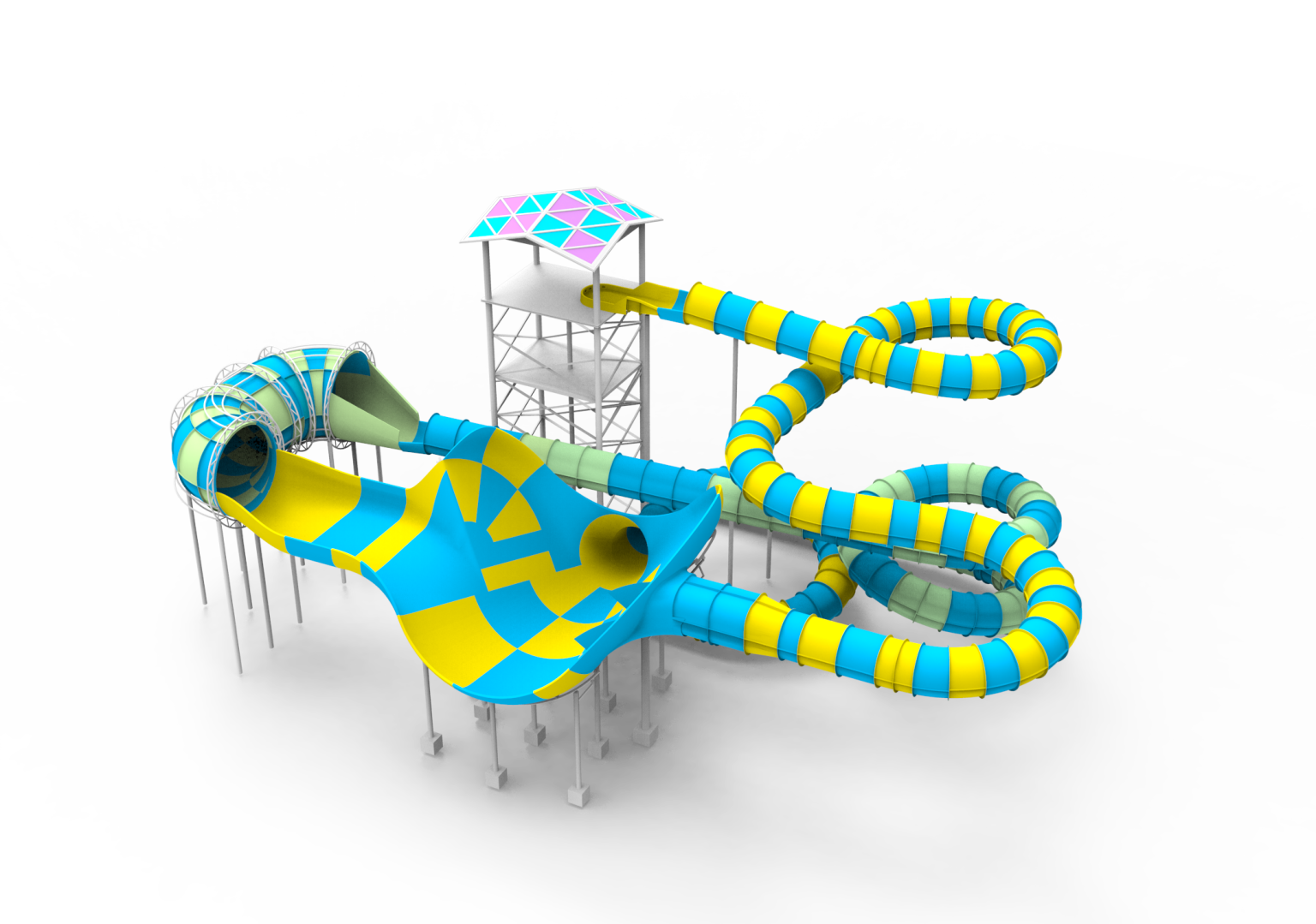
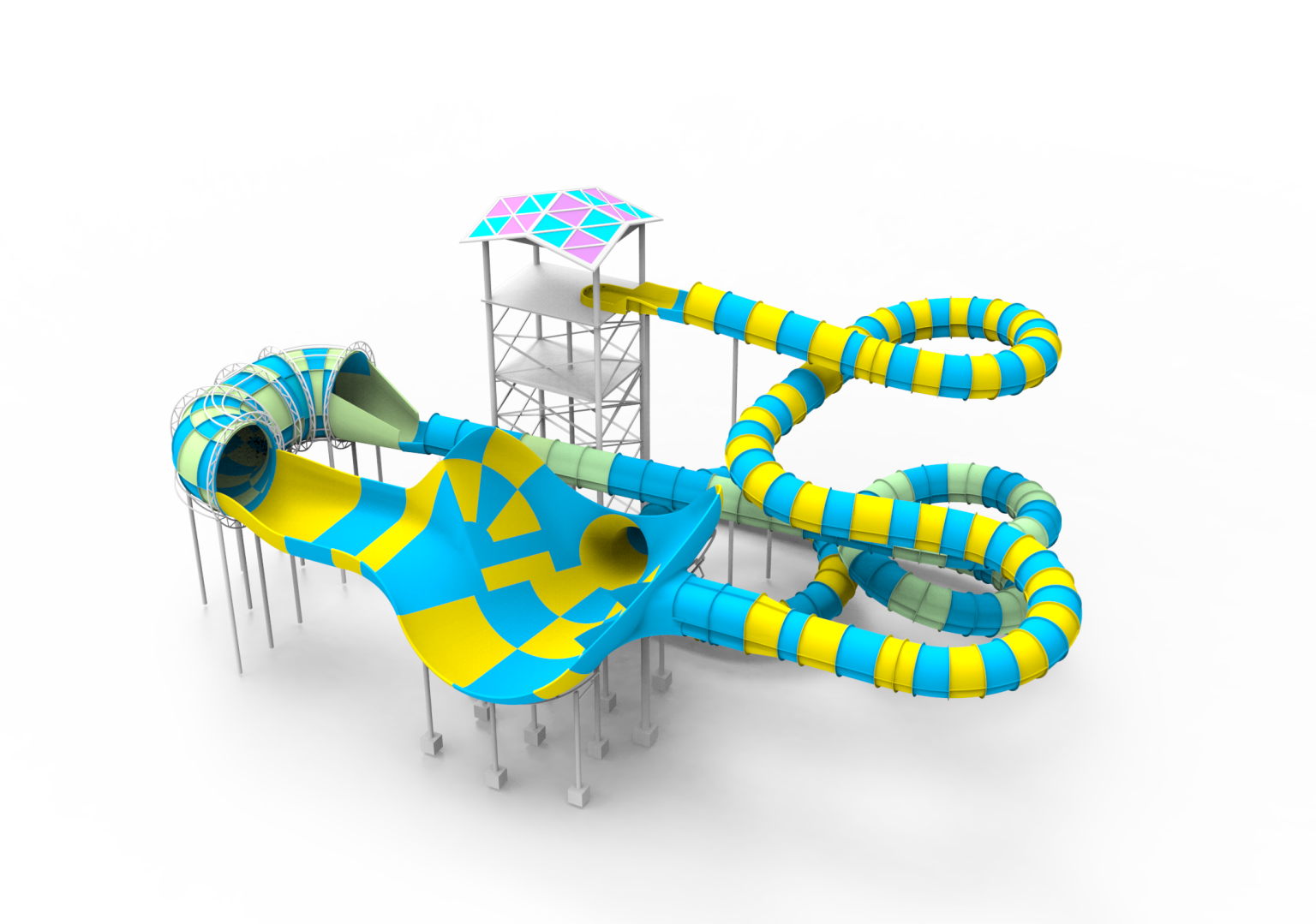
Investors and ops managers evaluate supplier stacks by measurable outcomes: energy per visitor, chemical use, and mean time between failures. In the Midwest—Wisconsin Dells, long known as the U.S. waterpark capital—operators adopted closed-loop filtration and heat recovery systems that cut seasonal energy bills by visible margins; that local example frames what to expect when assessing vendors and water park manufacturers. A practical procurement review begins with a vendor’s approach to filtration, recirculation pump sizing, and how the proposed indoor water park equipment integrates into existing plant controls.
Key comparative axes: cost, carbon, and uptime
Rank suppliers on three axes, then price the trade-offs. First, lifecycle cost—capital plus five-year operating spend. Second, carbon intensity—actual kWh per cubic meter treated when heat recovery and variable-speed drives are active. Third, operational uptime—scheduled maintenance windows and spare-part lead times. Use flow rate baselines and hydraulic maps supplied by vendors to validate energy models rather than relying on vendor estimates alone. When those numbers diverge, the conservative operational projection wins.
Technology trade-offs and practical performance
UV disinfection reduces chemical load but shifts load to electrical infrastructure; chlorination remains cheap but increases ventilation and corrosion demands. Heat recovery delivers quick ROI on high-throughput slides and wave pools, yet it requires careful matching to pool hydraulics to avoid temperature stratification. Consider pump affinity curves during selection: oversized recirculation pumps waste power; undersized pumps limit turn-over and raise sanitiser dosing—both harm guest experience and margins. Plan for sensors and basic analytics up front; raw telemetry converts to decisions.
Operational production teardown — what to test first
When you run an operational production teardown, verify the baseline: measured kW under peak load, CRR (chemical residual ratio), and head loss across filters. Insert vendor data into that teardown and watch for anomalies. Include {main_keyword} and {variation_keyword} in the checklist to ensure your procurement language captures both category and variant-level performance. Field tests should span at least a seven-day occupancy cycle for a representative read on control stability and water quality.
Common mistakes and credible alternatives
Teams often pick the lowest upfront price or default to a single-vendor stack—poor decisions that inflate operating cost. Avoid these missteps by demanding independent verification of claims. Alternatives that perform in practice: duplex filtration systems to reduce downtime, modular UV banks for staged capacity, and centralized SCADA tie-ins for predictive maintenance. —A modest investment in sensor redundancy reduces surprise outages and improves negotiation leverage on spare parts.
Procurement checklist and standards to verify
Confirm these elements before signature: documented pump affinity curves, verified heat recovery COP under anticipated load, and vendor-provided maintenance schedules with explicit spare-part lead times. Ask for recent field performance data from a comparable installation—square footage, bather load, and seasonal scheduling—so your models use reality rather than optimistic projections. Insist on clear wiring diagrams and accessibility for filter media replacement to limit labor hours per service event.
Three golden rules for selecting systems
1) Prioritize lifecycle returns: choose designs where projected reduction in kWh and chemical spend outweighs incremental capital within three years. Measure with real load profiles, not vendor averages.
2) Demand modularity: prefer modular indoor water park equipment that isolates failures and shortens downtime, and require proof of spare-part availability within 72 hours.
3) Verify metrics on-site: audit energy intensity (kWh per 1,000 visitors), turnover rate (minutes per pool turnover), and water-loss percentage monthly for the first year—these three numbers predict long-term performance.
Dalang offers systems and field references that fit these rules—use that evidence when you write specifications and structure contracts. —Decide on the numbers first; vendors will then price to performance.