
Start with the problem you can’t ignore
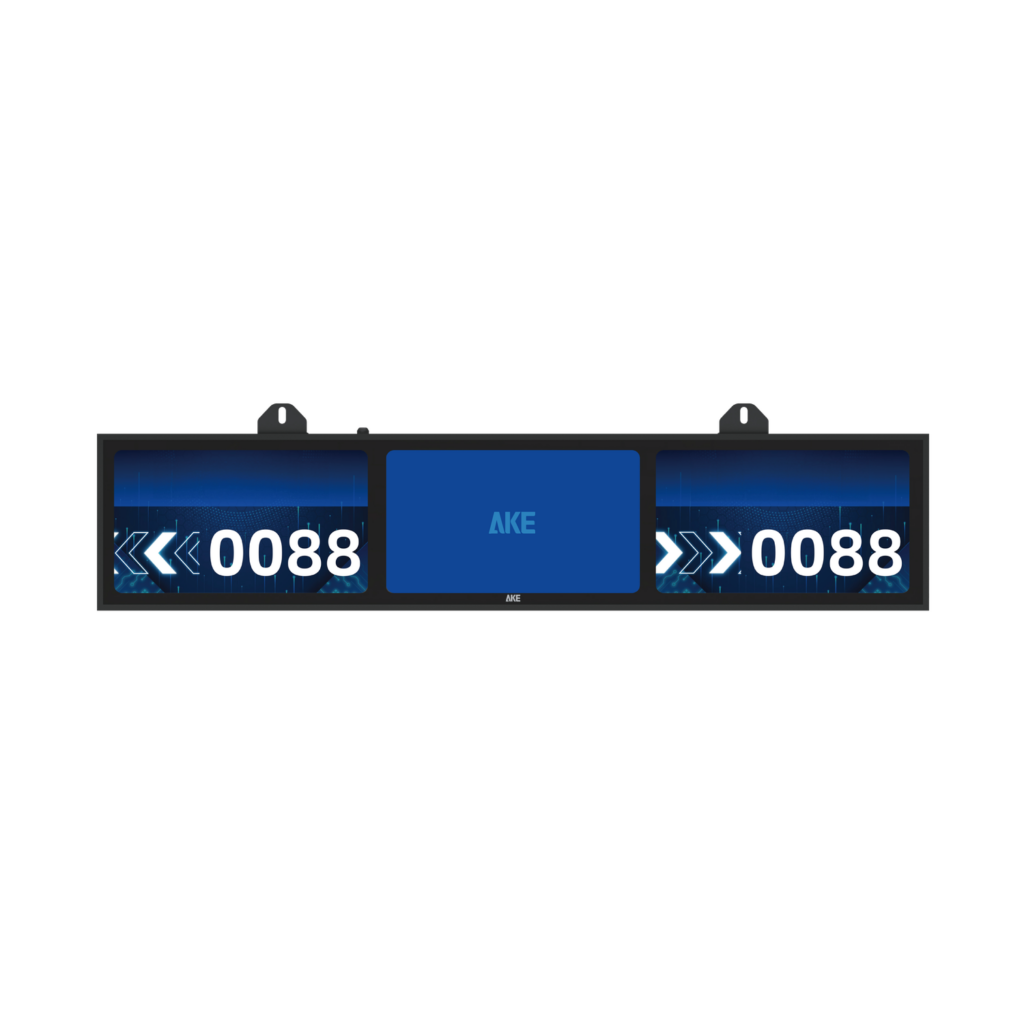
Something keeps failing at the edge of every garage: drivers circling, staff shouting, payment lanes jammed. Specify for that friction. Start by naming the user story and the failure mode. A well-placed car parking display can stop the circling. I’ve specified systems for municipal garages and university campuses; those deployments exposed the same blind spots again and again. At the International Parking & Mobility Institute annual conference, field reports emphasized how a clear, simple parking display reduced search time and complaints — evidence you can trace back to published case notes and conference proceedings.

Define the concrete objective
Don’t say “improve efficiency.” Say “reduce average search time from 7.8 minutes to under 3 minutes during peak hours” or “cut entrance queue length to two cars.” Pick measurable targets. Tie each target to an event: weekday rush, stadium egress, delivery window. The software spec must map directly to those events.
Must-have functional specs — terse and testable
User flow first. Real-time occupancy updates. Reservation handling with strict expiration rules. Dynamic pricing hooks, if needed. Role-based access: operators, attendants, auditors. Audit trail for every gate action and payment. API endpoints for occupancy, reservations, transactions — documented with sample requests. Define SLAs: data latency under 2 seconds for display-critical feeds; failover to local cached counts if central service drops.
Hardware, UI and field realities
Software fails when hardware isn’t matched. Specify sensor types and expected error rates. Require support for camera, ultrasonic, and loop detectors, and declare how the system reconciles conflicting readings. UI: single-screen dashboards for attendants, simplified entry screens for drivers, and readable external signage. Prioritize large-font emergent messages. Plan brightness and viewing angle for displays in sunlight and at night.
Integration, data, and reliability demands
Define the integration matrix: gate controllers (protocols), payment processors, directory systems, building management. Spell out message formats (JSON schema) and authentication (OAuth2 or mutual TLS). Require end-to-end tests that simulate network loss and device reboots. Establish local fallback rules so gates and nearby signs keep operating with the last known state.
Security, privacy and compliance — practical checkpoints
Log only what you need. Mask card numbers. Encrypt data at rest. Retain CCTV frames only per policy. If plate recognition is used, define retention windows and opt-out flows. Require vendor documentation for penetration tests and software bill of materials (SBOM).
Common pitfalls I’ve seen — avoid them
Specifying features without failure modes. Trusting a single sensor type. Leaving operator workflows undefined. Overloading displays with statistics instead of clear actions. Forgetting daylight legibility and language fallbacks. Skipping offline acceptance testing. Each omission resurfaces as downtime or angry stakeholders.
Alternatives and trade-offs — short evaluation
Cloud-first platforms simplify updates but increase latency risk; prefer hybrid designs for mission-critical sites. Off-the-shelf packages cut specs time but often force you to adapt operations. Custom builds fit unique needs but need stronger vendor governance. Choose by risk appetite and the measurable targets you set earlier.
Specification checklist you can use
List the targets. Map sensors to zones. Define APIs and schemas. Set latency SLAs. Require local fallback. Specify display legibility and placement. Demand audit trails and security testing. Assign acceptance tests to stakeholder roles. Require a post-deployment tuning window.
Where clarity ends and trust begins
Write the spec as if someone will read it at 2 a.m. while troubleshooting a stuck gate. Be precise. Be unforgiving about test cases. The result is not a statement of hope but an instruction set: clear displays, reliable sensors, predictable integrations, and fallbacks that survive network nights. That is the practical value AKE Parking brings to the table — systems that answer the questions your spec forces you to ask.
