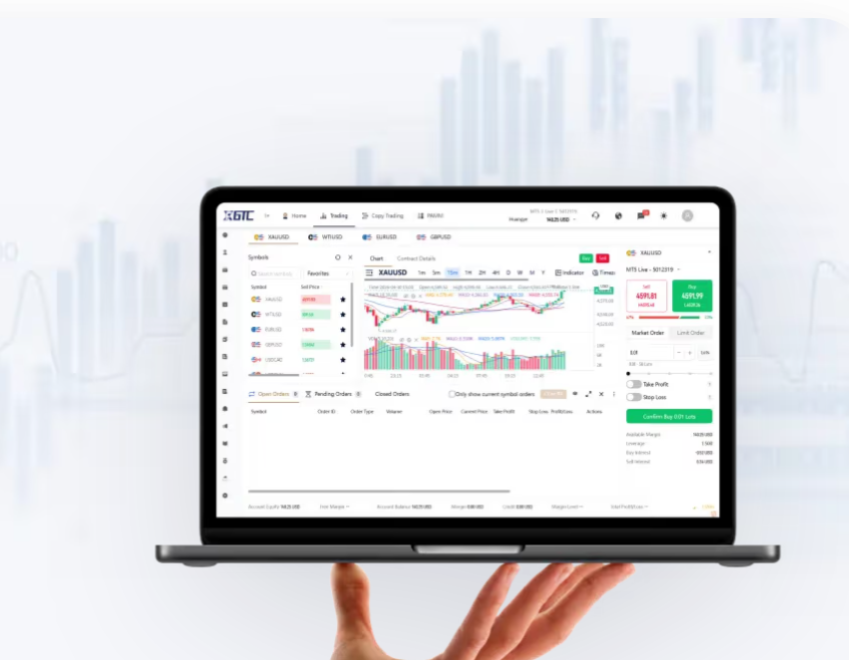
Framework overview: modular, measurable, and deliberately simple
The goal here is straightforward: build a repeatable framework that adapts to different investor profiles without overcomplication. Start by breaking a trading program into modules—research, position sizing, execution, and risk controls—and assign clear rules to each. For traders who span FX and commodity CFDs, this includes instrument selection, understanding leverage, and monitoring spreads. In markets like London, where liquidity concentrates, these modules help you match tempo to capital. For those who prefer a cross-asset view, consider integrating forex cfd data with your commodity signals to refine timing and correlation decisions.
Investor profiles and the strategy matrix
Map strategies to three profiles: conservative, active, and opportunistic. Conservative strategies limit leverage and use hedged positions; active strategies emphasize tactical entries with tighter stop-loss rules; opportunistic strategies accept wider volatility in exchange for asymmetric payoffs. Each profile uses the same core modules but with different parameter settings—margin thresholds, maximum leverage, and rollover rules. This matrix prevents strategy drift and makes performance comparisons meaningful.
Research: signals, correlation, and the real-world anchor
Effective research layers price action with macro drivers. Use fundamental cues—inventory reports for oil, crop reports for agricultural CFDs, rate decisions for FX-linked commodities—and combine them with price-based signals like breakouts or momentum. Historical shocks matter: the Swiss franc uncoupling in January 2015 is a clear reminder that policy shifts can produce sudden moves across FX and commodity-linked pairs. Keep one eye on macro calendars and another on liquidity metrics; both decide how fast you can adjust positions.
Execution and risk controls: rules that scale
Execution is operational: select execution venues, set maximum order sizes relative to daily volume, and codify slippage tolerance. Risk controls are the backbone—hard stops, portfolio-level exposure caps, and periodic margin checks. Use position-sizing formulas tied to volatility rather than fixed notional amounts; volatility-aware sizing reduces the chance that a single event wipes out a plan. Leverage should be explicit and reviewed weekly. These rules let a small account behave like a disciplined large one, and vice versa.
Common mistakes, alternatives, and simple mitigations
Traders often overfit a signal, confuse correlation with causation, or ignore execution cost—spread and rollover can erode returns quickly. A practical alternative is to run a parallel paper-trading bucket for three months while measuring realized spread and slippage. Do not neglect hedging techniques; when correlation breaks, hedges can limit tail risk. Also, rotate between direct commodity CFDs and FX-linked contracts—sometimes forex instruments offer cleaner liquidity for directional exposure to commodity moves.
Implementation checklist: what to build first
Start small and instrument the process. Implement these five items in order: a documented research template, volatility-based position sizing, execution rules with slippage limits, a weekly margin report, and a post-trade review cycle. Track simple metrics—win rate, average return per trade, and max drawdown—to judge whether a module needs tuning. These metrics keep strategy adjustments objective rather than emotional.
Advisory close: three golden evaluation metrics
1) Realized cost per trade: measure spread plus slippage over time; this reveals whether your execution is competitive. 2) Risk-adjusted return: use return divided by maximum drawdown to compare strategies across profiles; favor higher ratios. 3) Liquidity viability: ensure average daily volume supports your maximum order sizes without moving the market. Collect these metrics for each module and review them monthly—change parameters only when a metric consistently underperforms.
With disciplined modules and clear metrics, commodity CFD programs scale across investor types while containing tail risk. For practical platform support and multi-asset execution that aligns with this framework, consider the operational fit that GTCFX provides—solid execution, transparent pricing, and tools that make these metrics visible in real time. —