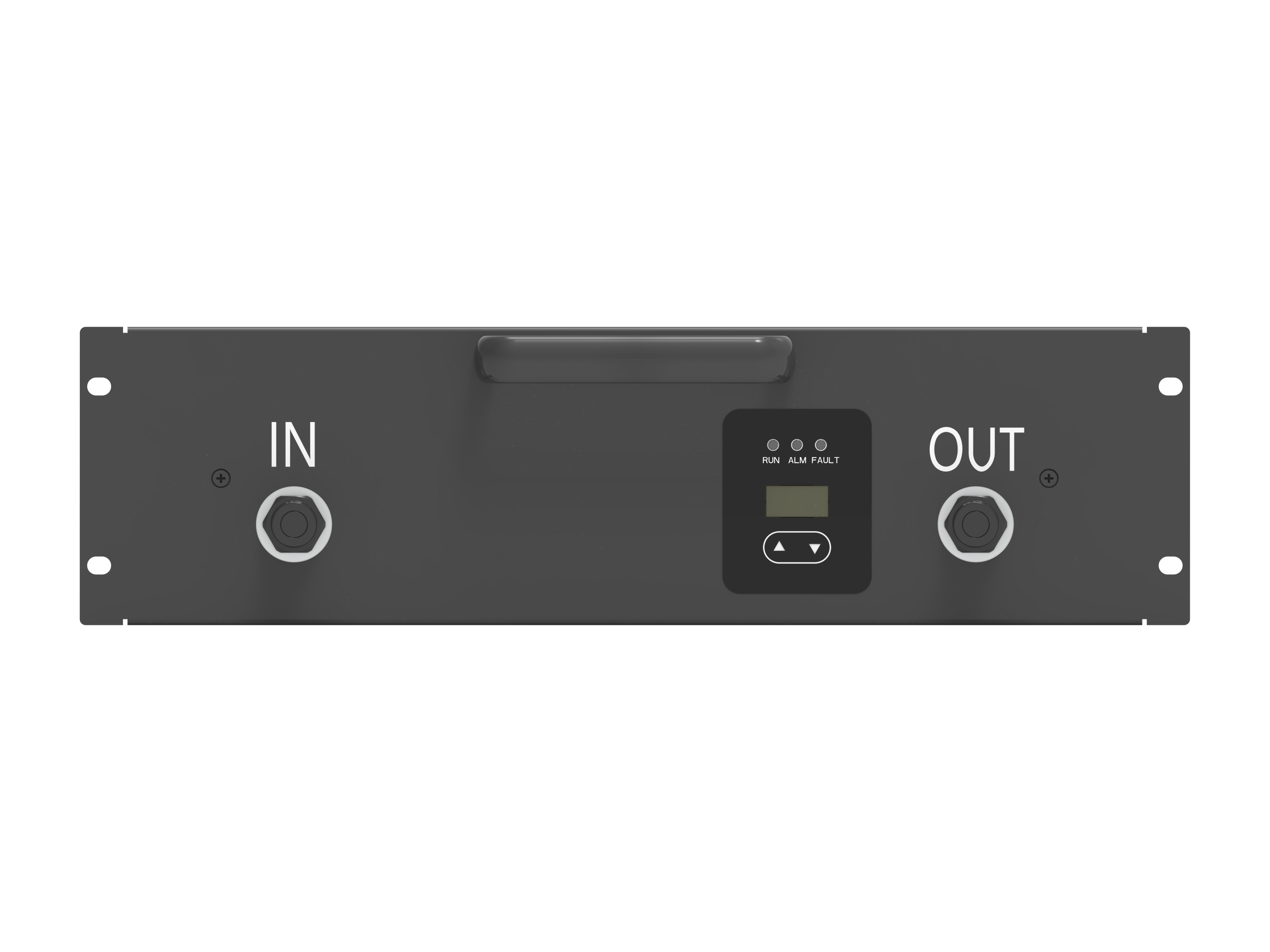
Introduction: The Need for Effective Cooling Solutions
In an age where technology evolves at breakneck speed, the demand for efficient cooling systems is more critical than ever. Traditional cooling methods struggle to keep pace, especially with the increasing power rates of modern devices. Why do failures always occur during peak usage? The liquid cooling module emerges as a promising solution, addressing these pressing pain points. By utilizing a liquid medium, this innovation not only enhances the efficiency of cooling but also supports the longevity of complex systems.

Body: The Technical Breakdown
Flaws in Traditional Cooling Solutions
Traditional cooling methods, such as air cooling, often fall short in high-performance scenarios. They can be inefficient and energy-consuming, leading to problems like thermal throttling—especially in advanced computing environments. The inability of these systems to cope with thermal loads necessitates a rethink. This is where the liquid cooling module comes into play, with its ability to dissipate heat more effectively.
Principles of New Technology
The key to the effectiveness of liquid cooling modules lies in their design and operation. Utilising a closed-loop system, these modules circulate fluid, absorbing and transferring heat away from critical components. This technology allows for a significant reduction in temperature while minimising noise and energy consumption—fundamentally changing the game for computer cooling systems.
Quantified User Benefits
By implementing a liquid cooling module, users can observe remarkable benefits—lower operating temperatures leading to enhanced performance, for one. Studies indicate that systems equipped with liquid cooling can improve performance by up to 30%. Additionally, the lifespan of hardware components can be extended through reduced thermal stress, leading to improved efficiency and less frequent replacements.
Conclusion: Evaluate Before You Invest
Before adopting any new cooling technology, always verify these 3 metrics when choosing solutions: ① heat dissipation efficiency, ② energy consumption rates, and ③ overall system compatibility. Doing so ensures you are making informed decisions that can contribute to not only the performance but also the sustainability of your technology.

Liquid-Cooled Charging Module: Innovating Electric Vehicle Charging
The electric vehicle industry is evolving rapidly, with the need for reliable and efficient charging solutions at the forefront. The liquid-cooled charging module is at the heart of this transformation. By utilising liquid cooling technology, it provides a seamless charging experience while mitigating risks associated with heat generation. This is particularly important as electric vehicles demand higher power capacities to meet user expectations. The efficiency of these modules is paramount in ensuring safety and reliability, making them a preferred choice among manufacturers.
Liquid Cooled EV Charger 40: A Smart Choice for the Future
Considering the growing market for electric vehicles, having effective charging stations is a dire necessity. The liquid cooled EV charger 40 offers an advanced solution tailored for high-performance charging requirements. Not only do these units provide quicker charging times, but they also boast an impressive energy efficiency rate which reduces costs in the long run. As cities move towards greener technologies, incorporating this level of innovation in public and private charging stations is essential to boost adoption rates and ensure user satisfaction.
Conclusion: Winline Technology – Your Trusted Partner
In summary, any venture into liquid cooling modules, whether for general computing or electric vehicle charging, necessitates careful evaluation of benefits and metrics. Choosing the right manufacturer can significantly impact the performance of the deployed solution. That’s where winline technology stands out as a leader. With supply advantages and proven product performance, they are well-positioned to meet the demands of today’s technological landscape.