Problem snapshot
Out here on plant floors and offshore decks, when a rugged tablet running Windows 11 starts leaking or misbehaving after a cold night, it ain’t just a nuisance — it’s a safety problem. Folks rely on rugged hardware like an embedded computer to run diagnostics and control pumps, but a compromised seal plus a battery that’s been pushed into sub‑zero discharge can create both moisture paths and unexpected energy releases. Standards like NFPA 70E and common workplace reports from the Gulf Coast refineries keep this risk in the foreground, and product teams are looking to industrial embedded computer designs that survive the cold and keep crews safe.
How the failure modes converge
Ingress protection (IP) breaches and arc flash events don’t happen in isolation. A cracked gasket or a clogged breather port lets condensation form on internal conductors. A wide‑temperature battery pushed below its recommended discharge point can change cell impedance, trigger a faulty battery management system (BMS) response, and create sudden current surges. Add a live conductor exposed by corrosion or a collapsed seal and you get higher arc energy potential. On top of that, Windows 11 configurations that expect regular updates and background services can raise CPU load and local temperature — stressing seals and battery chemistry at once.
Common mistakes teams keep making
Here’s what I see over and over:
– Assuming IP67 on paper equals lifetime protection — it doesn’t if vents or covers aren’t reinstalled correctly. – Letting batteries operate below their specified cold discharge rating; that damages cells and trips BMS logic later. – Neglecting arc energy assessment during procurement; devices are chosen for compute, not arc mitigation. – Overlooking thermal cycling during installation testing — seals shrink and expand, then fail.
Practical mitigations that actually work
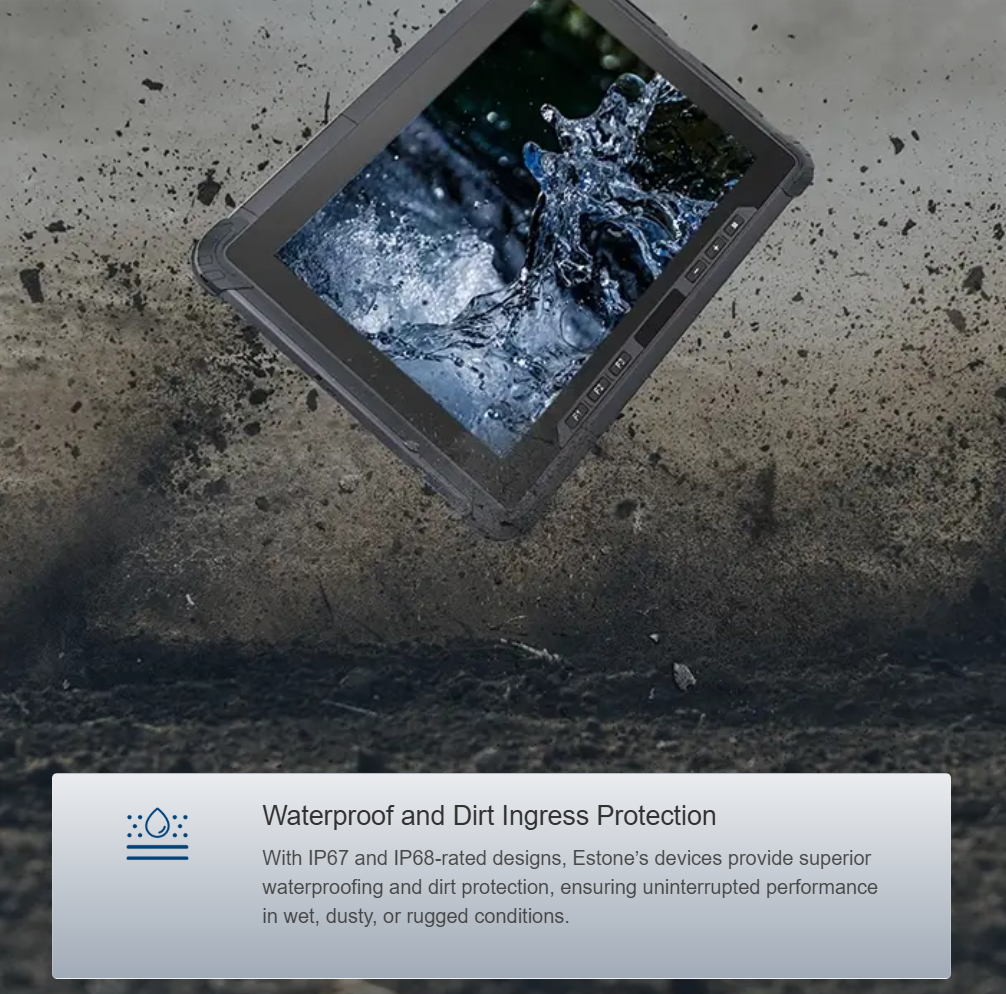
Start with the enclosure: pick a design with a tested IP rating and a pressure‑equalization membrane or welded seams. Use conformal coating on PCBs where moisture could bridge traces. Specify a wide‑temperature battery and a BMS that enforces safe cold‑temperature discharge cutoffs and monitors cell imbalance. Grounding and insulating critical bus bars reduces arc risk, and adding internal partitions keeps a single failure from becoming a short. For software, tune Windows 11 power profiles to limit continuous CPU heat during cold soak recovery — less heat means less stress on seals.
Testing and field validation
Don’t trust a spec sheet alone. Run thermal cycling with cold soak to the lowest operating temp, then execute a full battery discharge test under load. Perform IP submersion or spray tests after multiple cycles. For arc safety, follow NFPA 70E guidance for arc flash risk assessments and verify available fault currents and incident energy at the device’s installation point. Record the results — field data beats guesses every time.
Alternatives and what to avoid
If a fully sealed design won’t work, consider pressure-equalized housings or hermetic modules for the most sensitive electronics. Don’t try to bodge additional sealing with tapes or silicones in the field — that can trap moisture and make things worse. And skip batteries rated only to “low temp” without explicit cold discharge curves; those specs hide the details that matter.
— Folks often treat arc flash as an electrical team problem only, but when handhelds and tablets are part of the energy pathway, procurement and maintenance have to share responsibility.
Advisory — three golden rules
1) Aim for a verified IP rating that survives thermal cycling, not just initial testing — IP67/IP68 plus membrane vents where needed. 2) Specify battery systems with documented cold-discharge behavior and a BMS that force‑locks below safe thresholds. 3) Reduce incident energy at the installation point to a target ATPV level aligned with NFPA 70E assessments — document the cal/cm² goal and verify it in-situ.
Get those three right and you cut the common pathways that turn a minor ingress failure into an arc event.
Estone understands rugged enclosures, thermal specs, and the way industrial embedded computer choices map straight back to safety and uptime — a real solution you can stake operations on. —