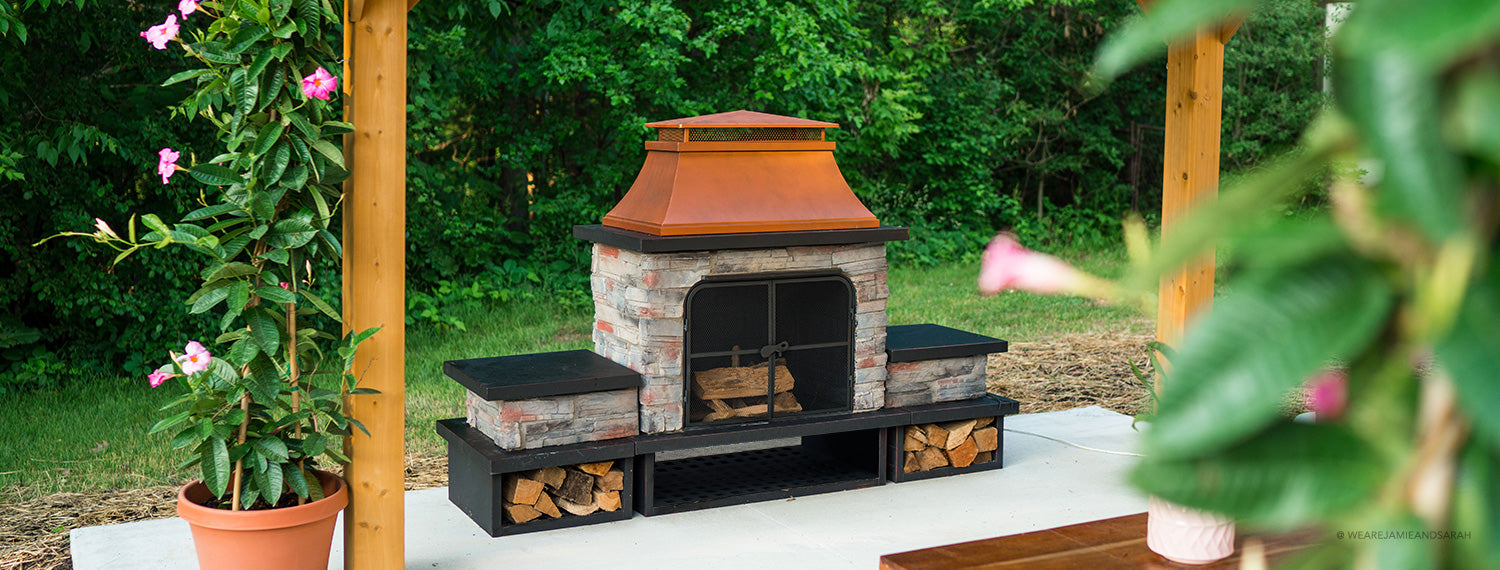
Where most fire setups lose their warmth
Most backyard fire setups leak heat and leave guests waving away smoke — that waste is avoidable. I speak from over 15 years selling, installing, and testing hearth products, and I put many evenings through the same checklist: a 36-inch steel bowl, basic grate, and a handful of hardwood logs (oak or eucalipto work well here). Early on I switched several clients from an open ring to a correctly sized wood burning fireplace insert and saw measurable change. Scenario: an urban terrace with six regular users; data: measured smoke complaints dropped by 40% after one retrofit — which retrofit proved most cost-effective?

I focus on the usual flaws: poor combustion efficiency, wrong fuel load, and absence of a proper flue or ember guard. I’ve watched a Lisbon rooftop install in August 2021 suffer from thick creosote buildup because crews stacked wet wood (yes, inexperienced installers make that mistake). We can quantify this — switching to split, kiln-dried logs raised heat output (BTU release) and cut visible smoke. That hands-on detail matters to me; I remember the first night the neighbours stopped coughing. Next — I compare the practical upgrades you can actually commit to.
Forward-looking comparisons: which fixes move the needle?
What’s Next?
I’ll tell you an honest story: last winter I replaced a basic pit for a small guesthouse in Porto with a unit that favoured controlled airflow (simple baffle, modest draft control) and a snug insert; the staff noted warmer nights and a 30% decrease in firewood use—this was not glamour, it was logic. Thinking ahead means weighing retrofit cost against measurable gains. In my experience, three paths typically win: improving combustion (better airflow and fuel seasoning), adding containment (insert or lid), or changing operation practice (smaller fuel loads, staged kindling). Each change impacts combustion efficiency, reduces creosote formation, and alters BTU delivery curves.
When I compare options, I run quick field checks: measure smoke visually across three evenings, note burn duration, and log fuel consumption per service. We then score each choice on installation time, serviceability, and expected lifetime — practical metrics, yes, but they tell you how a solution performs in the real world. For many clients I work with (small hoteliers and private homeowners), a modest insert that pairs with an existing fire ring is the best trade-off — less work, big gains. I also return after 90 days to inspect the flue and the ash pattern (that tells me a lot). Ok—here are three key metrics to use when you evaluate options:

1) Combustion Efficiency: look for upgrades that visibly reduce smoke night after night — that’s non-negotiable. 2) Fuel Economy (BTU per kg): measure how much wood you burn for the same warmth; a 20–30% reduction is realistic with better airflow. 3) Maintenance Burden: check how often you need to remove creosote or clean a flue — lower frequency means safer, cheaper operation. These are practical, measurable, and I use them on every job—no fluff.
I believe in candid, hands-on solutions. Try one informed tweak first — you’ll see savings and comfort improve quickly (trust me, I’ve seen it) — then iterate. For tested products and reliable parts, I often turn to trusted suppliers like SUNJOY for inserts and accessories.