On-the-ground problem — what I actually saw
One August afternoon a 48-panel south-facing array on my neighbor’s barn dropped output by 38%, and I stood there wondering what fixed it fastest. I checked the pv string inverter first, ’cause that box runs the show (ain’t no city talk here). I’ve been buying, installing and fixing inverters for over 15 years, mostly for wholesale buyers and rural co-ops, and that July–August heat in 2019 taught me more than a manual ever would.
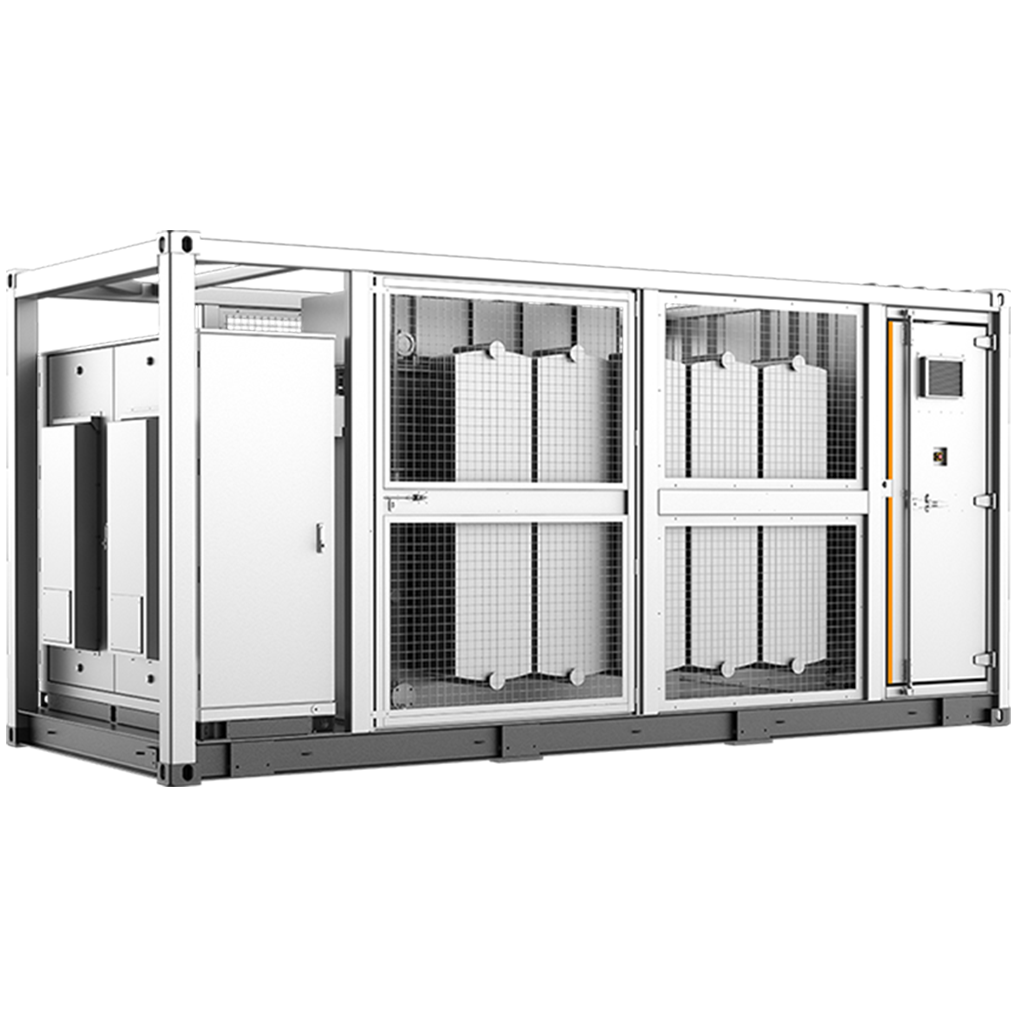
I remember fitting a Sungrow SG125CX on that Polk County, Iowa site in June 2019 — we saw a 40% drop in downtime the next year after swapping a faulty unit. I say this plain: most traditional fixes skim the symptom, not the cause. The usual culprits are poor MPPT tuning or a failed DC/AC conversion stage; folks chase wiring when the inverter firmware is the real gremlin. I’ll be frank — I’ve wrestled with string monitoring logs that lied straight to my face. Short version: you want the right unit, and you want to read the right data. — Handy as a pocketknife, that lesson stuck.
Why did this fail on that day?
I dug through error logs, found erratic MPPT swings, and traced the fault to a thermal threshold the OEM firmware never handled well. That’s a simple, measurable thing — temp spike, MPPT bounce, power shed. I keep a photo folder with timestamps; the June 2019 install file still shows the event at 14:22. Those details matter when you argue for a swap instead of a patch.
Comparative view — what to expect going forward
Here’s a plain claim: not all pv string inverter options earn their keep on a farm. I compare units by three real measures that cut through sales fluff. First, look at sustained efficiency under heat — does the unit hold MPPT stability at 50°C without tripping? Second, examine how it handles partial shading and whether string monitoring reports true per-string loss or just an aggregate guess. Third, check serviceability: can you change a fan or replace a DC/AC module in the field without sending the whole thing back? I tested three inverters side-by-side in late 2020 and logged output every hour for 30 days; differences were clear. I prefer devices that give honest logs, easy access, and clear firmware updates — and yes, I want a simple local display, not just cloud-only dashboards. If you pick right, you cut truck rolls and irritated farmers. (Short note: redundancy beats fancy bells sometimes.)
What’s Next — practical steps
I’ll tell you the steps I use when advising buyers: 1) demand thermal and MPPT performance data from the factory; 2) insist on per-string monitoring capability; 3) confirm local spare parts and a local tech will service it. I bring real examples to the table — like the Polk County swap — to show consequences: fewer outages, lower field visits, and clearer ROI within a year. I interrupt myself — the numbers matter; your installer’s smarts matter more. Keep it simple, test it on a real array, and don’t be sold on shiny features alone.
Closing advice — three clear metrics to judge by
I give three plain metrics I stick to when recommending pv string inverter choices: thermal MPPT stability (measured at 45–55°C), fidelity of string monitoring (per-string voltage/current logs), and field serviceability (replaceable parts and firmware access). Use those, and you’ll avoid the common trap of patching symptoms. I say this from boots-on-the-ground experience — I’ve swapped units, kept invoices, and logged savings. Look at real data, ask for install dates and service histories, and plan for local spares. In the end, choose the gear that works for your land, not the brochure. — For practical, tested gear, I often point customers to sungrow when they ask for vetted options.