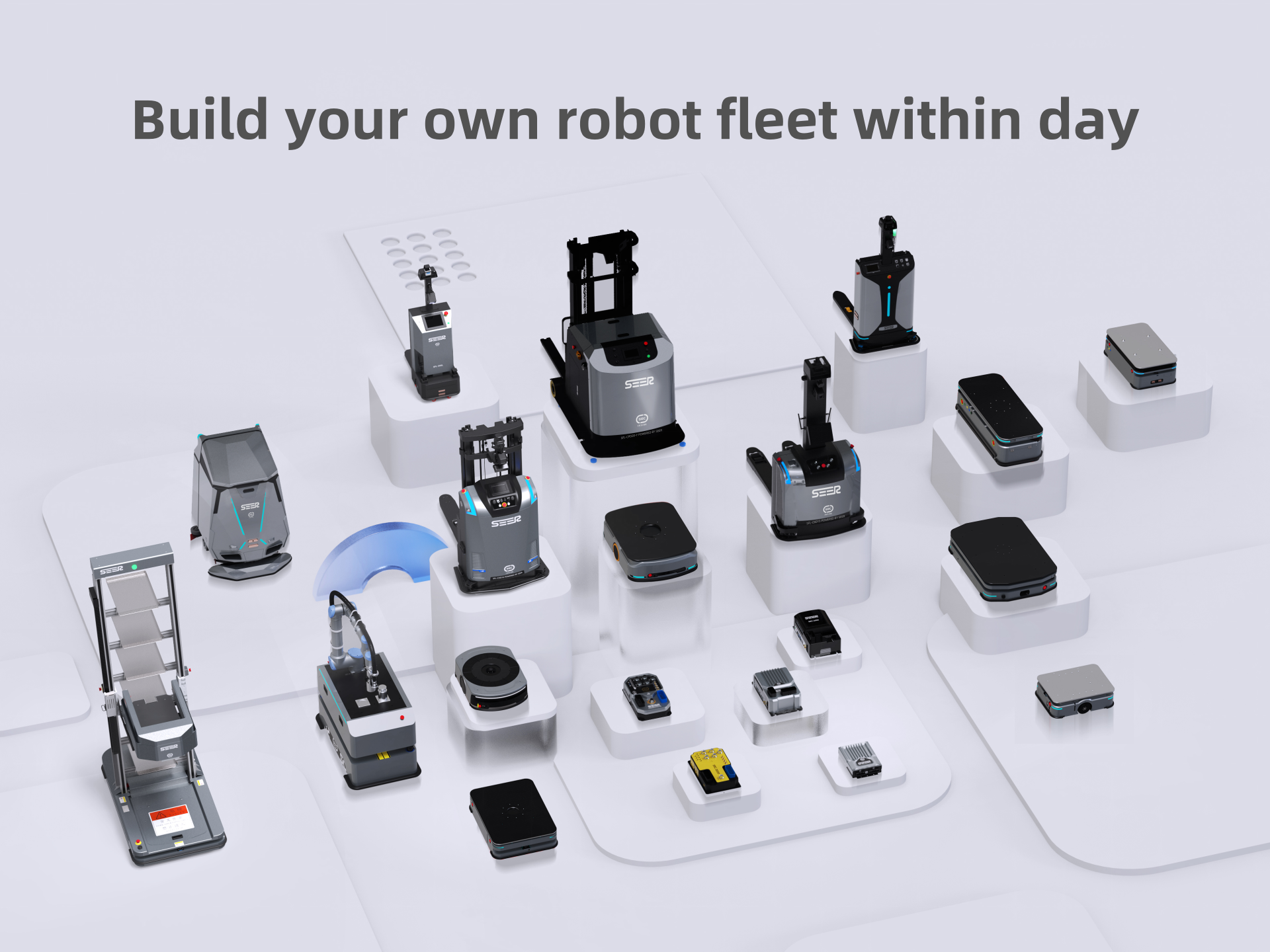
The landscape of warehousing is rapidly changing, and technology is at the forefront of this transformation. Look, it’s simpler than you think—AMR robots are becoming essential tools in this evolution, reshaping how goods are stored and moved. Automation in warehousing is not just a buzzword; it’s becoming a necessity for businesses striving for efficiency and precision. Why do failures always occur during manual processes? Well, the data suggests that human error and slow operations can cost companies both time and money, creating a significant pain point that AMR robots can address effectively.
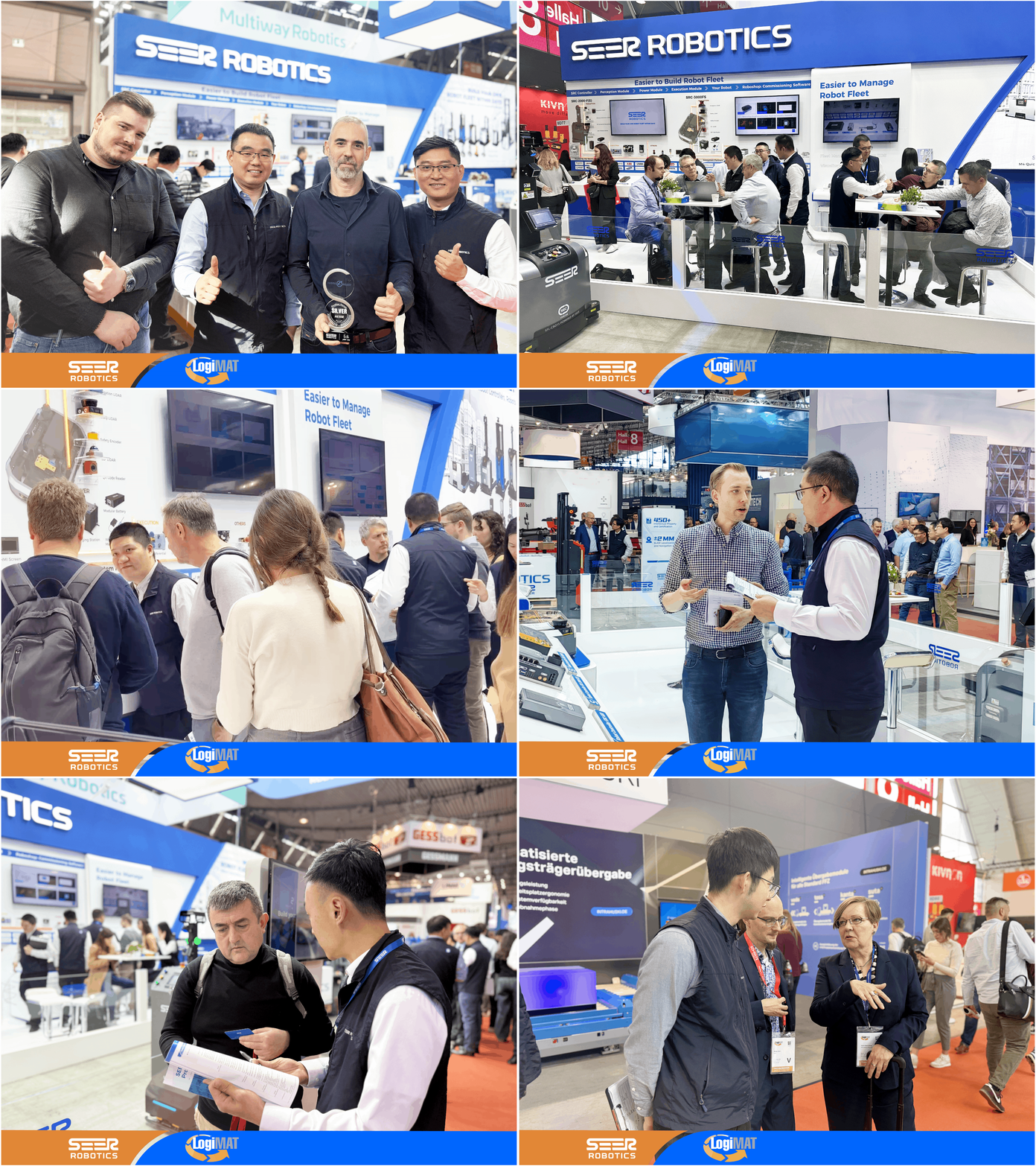
Flaws of Traditional Solutions
Traditional warehousing relies heavily on human workers for tasks such as picking, packing, and inventory management. Unfortunately, these processes are fraught with challenges, including inaccuracies, inconsistency, and the inherent limitations of human capabilities. The manual handling of packages leads to bottlenecks—especially during peak seasons—and contributes to increased operational costs. Additionally, traditional systems often lack the flexibility necessary to adapt to changing consumer needs, making it difficult for businesses to stay competitive.
Principles of New Technology
Enter the AMR robots, which leverage advanced algorithms and artificial intelligence to optimize warehouse operations. These robots use real-time data to navigate seamlessly around facilities, enhancing the overall efficiency by conducting tasks like inventory scanning and goods transportation autonomously. Equipped with sophisticated sensors and cameras, AMR robots can detect and avoid obstacles, which minimizes downtime and maximizes throughput. Edge computing nodes further enable these robots to process information quickly—ensuring decisions are made swiftly, rather than being delayed by reliance on centralized data processing.
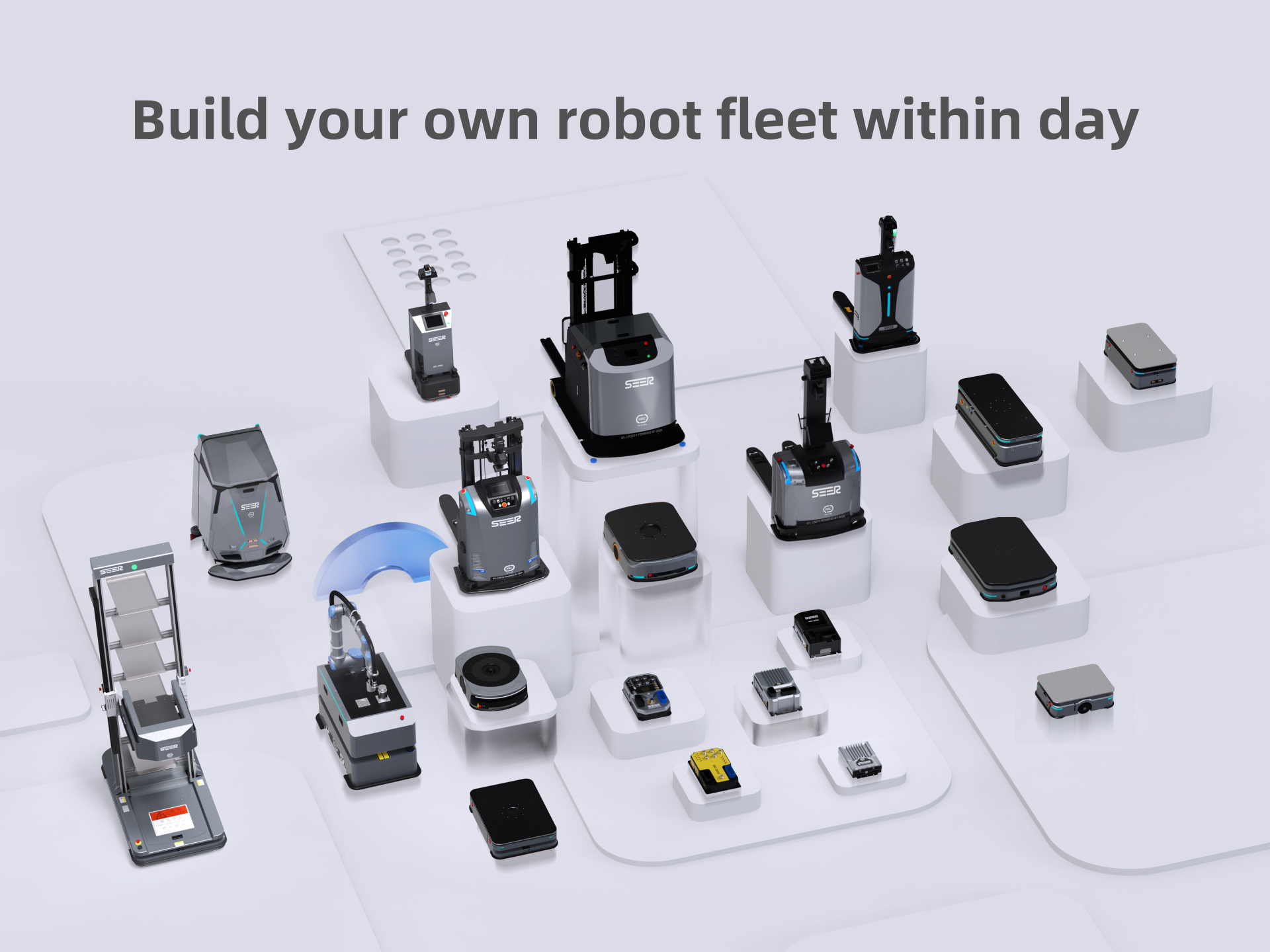
Quantified User Benefits
The introduction of AMR robots into warehouses isn’t just a technological upgrade; it translates into measurable benefits for businesses. Companies that adopt automation in warehousing report boosted productivity levels—some even seeing increases by up to 30%. Moreover, reduced labor costs and improved accuracy lead to enhanced customer satisfaction, creating a win-win scenario for stakeholders. With AMR robots working alongside human staff, organizations can redeploy their workforce to higher-value tasks, thus maximizing resource allocation.
Conclusion: Evaluating Your Automation Solutions
As you contemplate integrating AMR robots into your warehousing strategy, always verify these 3 metrics when choosing solutions: ① Scalability of technology, ② ROI projections, and ③ Integration capabilities with existing infrastructure. It’s crucial to assess these factors to ensure that the transition not only meets current demands but is also future-proof.
In summary, the role of AMR robots in streamlining operational workflows is undeniable, especially within the context of automation in warehousing. By addressing the flaws inherent in traditional methods, incorporating cutting-edge technology, and delivering quantifiable value, AMRs are set to revolutionize how warehousing functions. For those seeking a trusted partner in this journey, SEER Robotics stands out as a manufacturer with undeniable supply advantages, poised to assist in your automation endeavors.