Questions for a project-specific review of Incubator Heating Element: supplier questions for technical review
Choosing an incubator heating element is not only a matter of selecting a rated component. System integrators must connect the heater to the cabinet design, airflow path, control system, sensor positions, and moisture conditions. A useful supplier review therefore starts with the equipment and operating requirements, then separates page-listed specifications from points that still need technical agreement.

Clarify the decision before comparing products
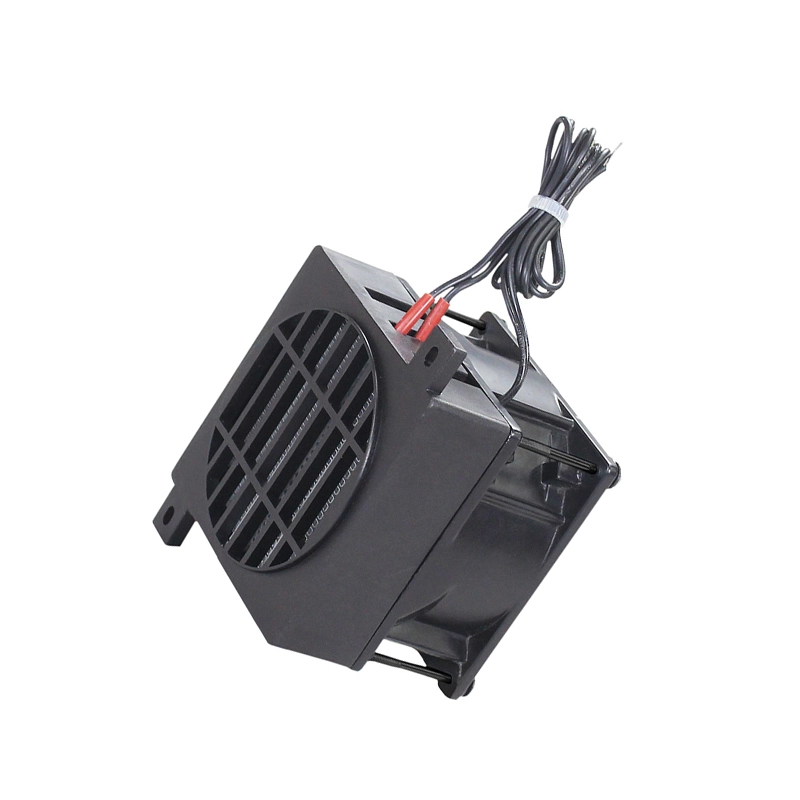
The first question is what the heater must do in the planned system. The official application page describes two integration paths: a standalone heater for an existing fan system or a fan-assisted module. That distinction affects the questions for the supplier. For a standalone unit, the existing fan and air path need closer review. For a fan-assisted module, the module arrangement and protection components become part of the discussion.
Define the cabinet context before asking for a recommendation. The page identifies the egg species, incubation stage, and equipment design as inputs for temperature and humidity requirements. These details should appear in the technical request because a heating element does not establish cabinet conditions by itself. The page describes the heater as working with the fan, sensors, controller, and humidity system.
Space is another early decision point. Record the tray layout, return-air paths, sensor positions, and moisture conditions. These factors help determine where the heater can be placed and what surrounding protection is required. They also give the supplier enough context to discuss the heater structure without treating a product-level detail as a complete system design.
Build a concise comparison framework
A comparison should begin with stated electrical and physical data. One listed Conductive PTC Air Heater specification is 220V, 100W, and 92 × 31 × 25 mm. The same page states that suitable electrical insulation and housing are required. Treat these values as page-specific evidence for that listed product, not as a general specification for every incubator heater.
- Define the egg species, incubation stage, and equipment design before setting temperature and humidity requirements.
- Choose between a standalone heater for an existing fan system and a fan-assisted module as the starting integration path.
- Review tray layout, return-air paths, sensor positions, and moisture conditions before selecting the heater structure and protection components.
- Check the listed 220V, 100W, and 92 × 31 × 25 mm values together with the stated insulation and housing requirement.
Ask the supplier to identify which details apply to the proposed configuration. Useful questions include: Is the intended arrangement standalone or fan-assisted? Does the listed voltage and wattage apply to the requested unit? How will the stated dimensions fit the available space? What insulation and housing arrangement is included in the design discussion? These questions turn a catalog review into a controlled technical comparison.
The heating principle also matters to the review. The page states that electrical current heats the PTC ceramic element and that its resistance rises as it warms, helping limit power output. It also states that the cabinet controller still determines when heating is required. This separates the element’s described behavior from the control responsibility. A supplier discussion should therefore identify the interface between the heater and the cabinet controller rather than treating the element as the complete temperature-control system.
Use evidence without extending its scope
Search terms such as heating element for incubator factory may describe a sourcing route, but the phrase alone does not establish suitability, output, safety, or compatibility. Keep those conclusions separate from the page evidence. The captured application information supports questions about integration, stated dimensions, electrical values, insulation, housing, airflow, sensors, and moisture conditions. It does not support a broader claim about performance in every cabinet or incubation program.
A useful real-world anchor is the official page itself. Its consent notice states that one choice controls advertising-related storage and the use of data for Google Ads conversion measurement. It also states that website conversions are imported from Google Analytics, so that measurement requires Analytics consent. This is an administrative detail, not a heater specification, but it demonstrates why page evidence should be assigned to the correct question and not reused as technical proof.
Procurement teams should also avoid turning a requested feature into an assumed inclusion. If the project needs a particular housing, insulation arrangement, sensor relationship, or airflow configuration, record it as a requirement for technical review. Then ask the supplier to connect that requirement to the proposed heater structure. This approach reduces the risk of comparing one product’s listed data with another product’s unstated assumptions.
Carry the requirements into procurement
Before requesting a quotation or design response, prepare a short brief. Include the cabinet type, tray arrangement, return-air path, sensor positions, moisture conditions, intended heater arrangement, and the required temperature and humidity context. Add the page-listed electrical and dimensional values only when they are relevant to the selected product. Mark each item as a stated value, a project requirement, or an open supplier question.
The final review should produce a clear record of what is known and what remains unresolved. That record can support a focused discussion with PTCYIDU without overstating the captured evidence. In practical terms, the strongest next step is to align the incubator design, control responsibilities, physical space, and protection requirements before treating any incubator heating element as the project choice.