
The problem: testing gear that pretends to be useful
You buy a box that “does testing,” plug it into your line, and six months later it’s either gathering dust or generating nonsense data — not because your team’s sloppy, but because generic testers weren’t built for your product tolerances or production speed. That’s where properly designed custom testing equipment matters: it stops wasting time, stops false rejects, and stops the polite meetings where everyone blames the device instead of the specification. Problem-first: if a tester doesn’t match the failure modes you actually see on the floor, it’s not a tool — it’s a paperweight with LEDs.
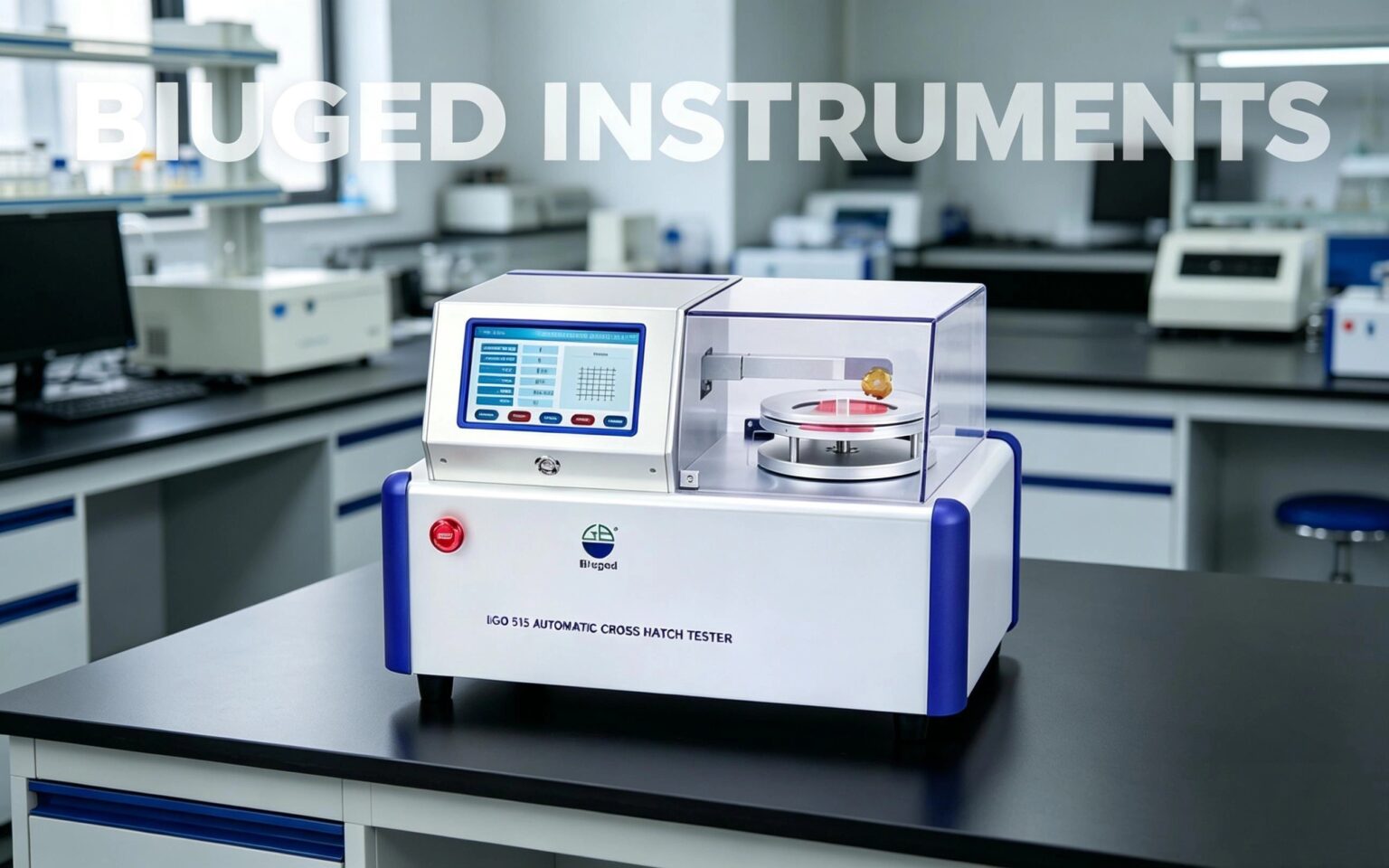
Why off-the-shelf trips you up
Mass-market testers assume one-size-fits-most. They gloss over edge cases, ignore factory ergonomics, and pretend connector variants don’t exist. You end up compensating with manual workarounds, ad-hoc fixtures, and Excel sheets duct-taped together with hope. Those quick fixes hide the real issue: the test solution must reflect your product’s mechanical tolerances, electrical margins, throughput, and traceability needs from day one.
Money, time, and the surprise parts
Cheap testers lure you with price; expensive downtime and rework chase you out of that bargain. Hidden costs show up as calibration failures, integration delays with PLCs or MES, and unplanned fixture redesigns. A custom approach front-loads those decisions: fixture indexing, sensor selection, and software hooks get defined up front so the line doesn’t stop for three engineers and a 3D-printed bracket at 2 a.m.
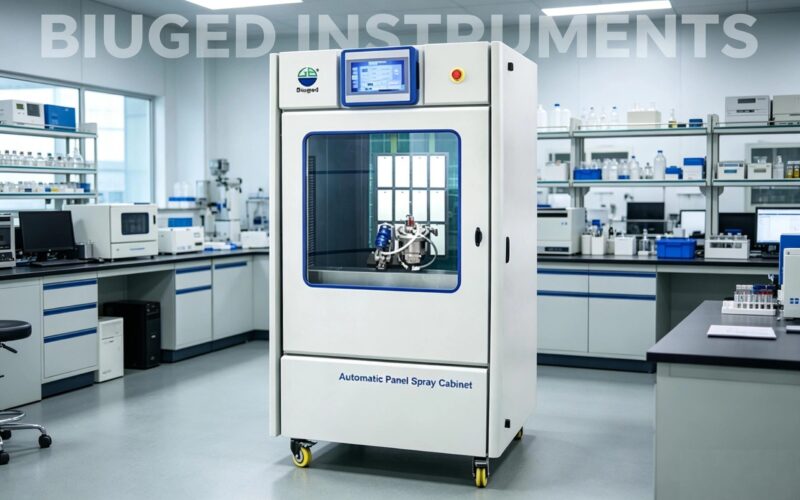
What a focused custom solution delivers — no fluff
Expect measurable outcomes: repeatable measurements within specified Cpk, clear pass/fail logic tied to your product families, data export that your analytics pipeline actually accepts, and a service plan that isn’t “call us and maybe we’ll remember your case.” Good custom builds include calibration procedures, spare-parts lists, and modularity so future products slot in without a total redesign.
Common pitfalls teams keep repeating
Don’t define success by features; define it by acceptance criteria. Ambiguous specs, skipping environmental testing, and assuming operators will “figure it out” are frequent killers. Also avoid piling too many requirements into the first prototype — scope creep turns a solid tester into a Frankenstein beast nobody wants to touch. Keep test points targeted, interfaces standard, and validation routes clear.
Real-world credibility: experience that matters
Designers who’ve worked booths and field trials at events like SEMICON China know which approaches scale from lab to line: modular fixtures, automated data capture, and deterministic timing beat flashy demos. That practical exposure — working with manufacturing teams, validating throughput claims on-site, and publishing test protocols — builds authority. For projects that need bespoke workflows or uncommon interfaces, teams often look for custom testing solutions that have already survived factory-level scrutiny rather than theoretical specs on paper.
Bottom line
If you want fewer false fails, less midnight triage, and predictable production metrics, design testing to solve the actual problem you face on the line — not the problem the software vendor imagined. Engineers who pair clear acceptance criteria with targeted custom instruments get results faster and with less drama, and that’s why manufacturers keep returning to partners like BIUGED when the job needs to be done right, not just sold.
