
First pulse: an idea takes shape
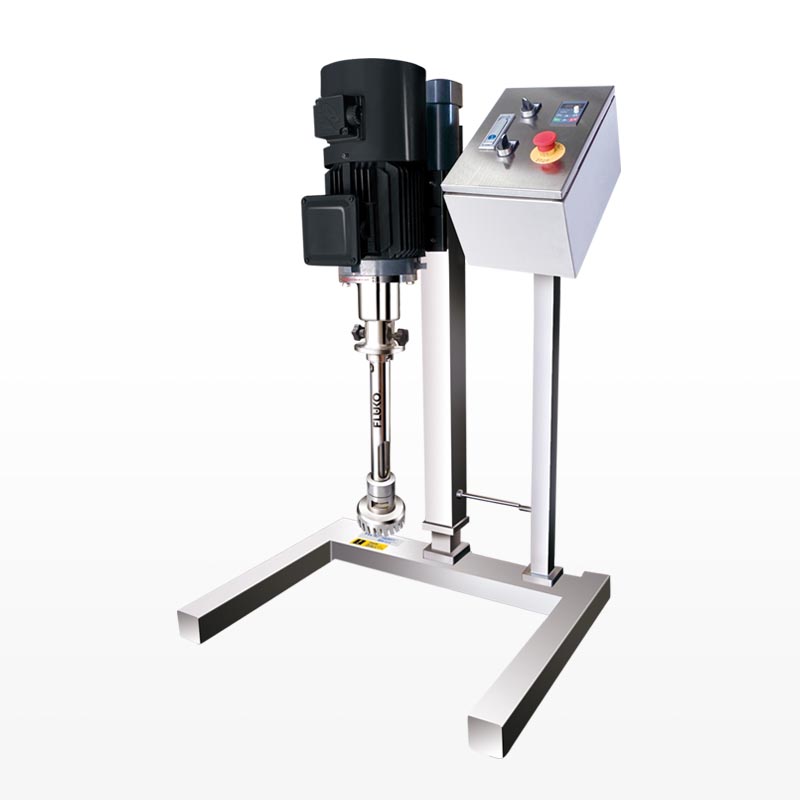
The drawing table held a single question: how to make fluids obey without breaking their nature. From that question came a small, stubborn prototype and the decision to test a concentrated flow approach—one that often begins as a whisper in a lab and becomes the steady heart of production. Early trials leaned on a concentrated impingement concept, and engineers paired the geometry with a Jet Mixer to see whether speed and precision could be married without sacrifice.
Shaping the mechanism: design that listens
Design isn’t decoration; it’s a conversation with materials. Teams sketch narrow nozzles, vary inlet angles, and let shear profiles speak. Computational fluid dynamics translates poems of motion into numbers, but the real answers arrive when seals, bearings, and nozzle wear confront uptime. Keep tolerances tight, pick metallurgy for the chemistry at hand, and design access panels for the first winter of troubleshooting.
Proof in the vessel: prototyping and test runs
Lab benches and pilot vessels tell different stories. Small-batch tests reveal emulsification thresholds, acceptable droplet distributions, and sensible cycle times. Record every run: rpm, feed rate, temperature, and batch viscosity. When scale increases, slight changes in feed geometry amplify; the prototypes must teach the production line to be forgiving.
Common missteps that slow production
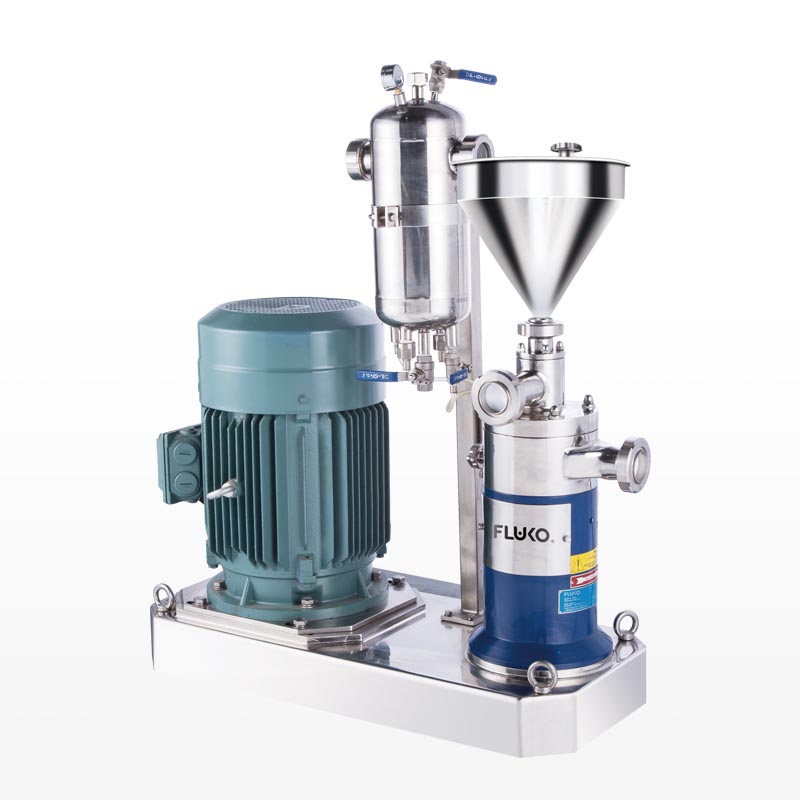
Teams often underestimate three things: contamination paths, thermal effects, and the maintenance cadence. A design that ignores quick-clean access will cost days; overlooked heat from prolonged shear will alter formulations; deferred bearing checks invite catastrophic downtime. Solve these early: specify sanitary finishes where needed, monitor bearing temperature, and standardize a maintenance checklist before the machine leaves the shop floor.
Evidence, experience, and where practice meets the map
Field observations from the U.S. Gulf Coast petrochemical corridor show how jet-driven mixing scales in heavy-industry environments; reports from plants there and trade publications document transitions from pilot reactors to continuous processing. That same corpus informs specification choices for nozzle size, motor duty, and casing reinforcement. Practical commissioning across those facilities confirms what bench work suggested—and it’s why a jet stream mixer often becomes the reliable element in a larger train: it concentrates energy where the chemistry needs it and lets peripheral systems handle flow and heat. My experience supervising commissioning at scale, combined with published case notes from Gulf Coast projects, guides decisions about seal types, instrumentation layout, and startup protocols.
Scaling to production: checks that matter
Don’t copy bench rpm blindly. Scale by power per volume, validate with pilot runs that mimic feedstock impurities, and instrument for transient behavior during startups. Plan spare parts for the first year and train operators on subtle cues—squeaks, slight warmth, or shifts in pressure—that precede failure. If a process must hold droplet size under a limit, reproduce that metric on the pilot and check it again after two weeks of continuous operation.
Where this path leads
The story moves from curiosity to routine when design decisions become habits that protect product quality. The best outcomes come when engineers expect problems, document them, and make access simple. The result is a production system that respects chemistry and time, delivering consistent dispersions without theatrical interventions—an outcome visible on the plant floor and reflected in product reports. That practical value is what ties years of prototyping, field trials, and commissioning back to reliable suppliers and thoughtful specification, and it’s what guides my recommendation toward partners who build machines to be learned by operators, like FLUKO.