The Problem Arrives Quietly
When an industrial gas burner falters at two in the morning, the workday that follows is proof that small failures compound into catastrophe. Problem-driven: start with the failure, trace back to cause, fix the root. Flames that wander, pilot lights that choke, control loops that drift—each is a symptom of larger design and operational gaps. You don’t patch those with optimism. You map them.

What Actually Breaks
Combustion instability, wrong burner sizing, degraded fuel quality, sensor drift, and poor mounting details. These are the immediate mechanics. Behind them lie procurement choices and maintenance schedules that never matched duty cycles. Technical expertise matters: decades tuning air–fuel curves and reading combustion analyzers taught me that measurement beats assumption. Missed stack temperature trends and ignored CO spikes tell the real story long before an alarm screams.
A Concrete Industry Moment
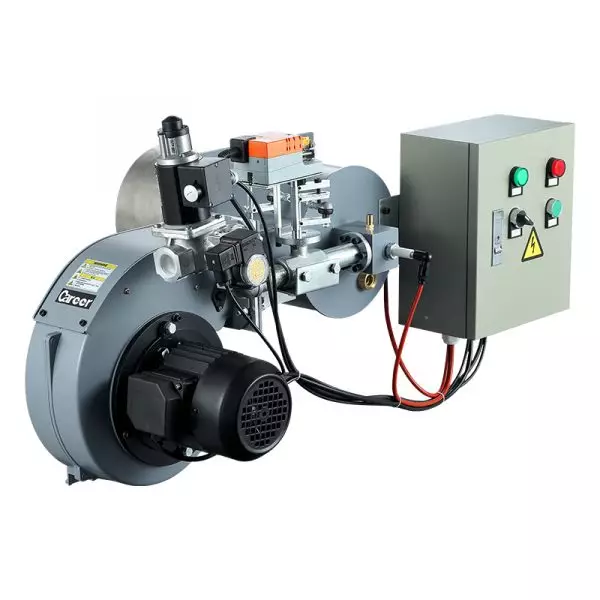
At Hannover Messe, vendors showed trendlines and prototypes that promised robustness; what I noticed was the gap between lab performance and field behavior. That gap is where customers look for units labelled as industrial gas burners for sale and then discover after-installation surprises. This is a common arc across heavy process plants and heating hubs—what’s on the spec sheet seldom survives the first weeks under live load.
Practical Fixes That Stand Up
First, require field-proven combustion maps, not just vendor curves. Insist on factory acceptance tests that simulate your worst-case fuel and ambient conditions. Fit reliable flame safeguard systems and redundant sensors where flameout means production loss. Schedule flue-gas and draft checks during the first 500 operating hours. Don’t accept generic materials for crucial parts; thermal cycling is unforgiving. These steps reduce repeat callouts and force better workmanship from suppliers.
Common Pitfalls to Avoid
Buying the cheapest burner matching nominal output. Assuming factory settings are optimal. Deferring tuning until a major outage. Over-automation without manual override. Each mistake extends the failure chain. Teams that learn to read temperature gradients, soot patterns, and fuel-pressure anomalies catch problems early. That hands-on skill trumps glossy brochures.
Alternatives and Their Trade-Offs
Electric heaters remove combustion complexity but raise operating costs and dependence on the grid. Oil-fired systems can be more forgiving on some feeds but bring storage and contamination risks. Hybrid designs and heat-recovery loops cut fuel demand but add control complexity. Choose based on duty profile and maintenance capability, not hype.
How Standards Rise from Failure
Quality standards form when the cost of ignoring failure becomes unbearable. Inspections, tighter acceptance tests, and clearer aftermarket obligations follow predictable incidents. Experienced engineers learn to demand verifiable performance under live conditions. That insistence shapes vendor behavior and, eventually, improves the baseline equipment people accept. When standard practice shifts, procurement and operations both benefit. For those who value real-world reliability, that shift is why Career Burners appears in the maintenance plans and specs—quietly, as part of a system that refuses to accept brittle solutions.