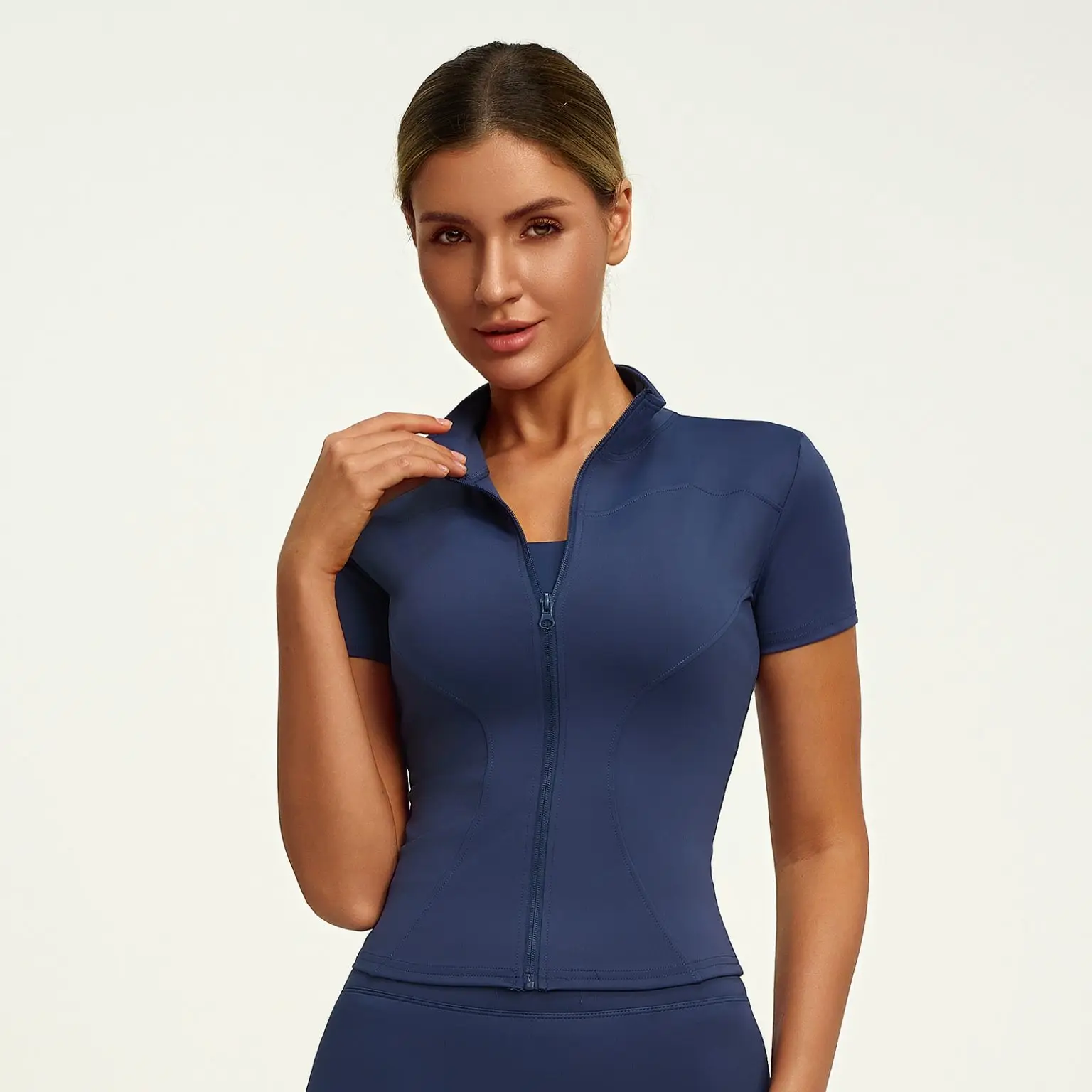
What retailers actually want — a user-centered entry
Retailers coming off inconsistent seasons want predictable cost, clear lead times and product that sells; that demand drove my visits to several plants after the COVID-19 disruptions of 2020 showed how fragile single-source supply chains could be. I tracked order flows, sketched layouts and sampled runs to see how a typical custom yoga jackets program actually lands on the floor — and how a reliable yoga jacket manufacturer turns sketches into retail-ready pieces. This is a user-first view: what you need, why factories matter, and how tradeoffs affect margin and assortment.

Factory realities: throughput, MOQ and tradeoffs
On the factory floor you’ll meet the terms that shape costs: MOQ, tech pack fidelity, and the cut-and-sew rhythm that sets lead times. Factories optimize around batches; fewer styles with larger runs keep per-unit cost low. I watched a sample line run through fabric checks, pattern grading and a final QC table — the rhythm is relentless and pragmatic. Sublimation printing, bonded seams and the choice of stretch knit versus woven stretch all change setup time and scrap rates. The lesson: design and materials drive cost as surely as labor. — Small tweaks to a sleeve pattern can halve reject rates.
Operational production teardown
From concept to carton, there are clear stages: tech pack, proto sample, size set, pilot run, full production, and third-party inspection. A tight tech pack reduces ambiguity: graded measurements, stitch types, and approved trims. Here I embed the practical terms you’d use in a teardown: {main_keyword} appears in the tech pack header and {variation_keyword} is tracked on the trim list, ensuring nothing is left to guesswork. An efficient line typically schedules 2–4 weeks for proto sampling, 3–6 weeks for pilot runs depending on capacity, and then staged shipments to limit inventory risk. Use an SKU-level QC checklist at the pilot run — it saves weeks on rework.
Common retailer mistakes and how to avoid them
Retailers often repeat avoidable errors. Here are the consistent ones I documented and how teams corrected them:- Over-designing: too many colorways or unnecessary Luxe trims increase MOQ pressure and slow time-to-shelf.- Late tech packs: changing specs after sampling forces new molds or dies and multiplies cost.- Ignoring factory capabilities: not every plant does high-density embroidery or bonded seams without investment.Corrective moves were simple: consolidate colorways, lock specs before sampling, and choose an OEM with the needed equipment on-site.

Alternatives and comparative insight
Smaller local cut-and-sew shops give speed and low MOQ but sacrifice scale pricing; large OEMs offer lower per-unit cost but demand higher MOQ and longer planning horizons. On-demand printing hubs fit capsule collections, while full-production factories are better for seasonal basics. My visits showed hybrid setups — local sampling plus overseas production — often balance risk. The comparative benefit: speed-to-market from local partners versus cost-per-piece from larger hubs in Guangzhou or Tamil Nadu.
Three critical metrics to evaluate a factory — advisory close
Use these three metrics as your checklist before signing a PO:- Cost stability per SKU: verify raw-material pass-through clauses and spot-check fabric invoices to ensure predictable margins.- On-time shipment rate: review rolling 6–12 month delivery stats; aim for >90% on-time to avoid stockouts.- First-pass quality rate: insist on documented inspection criteria and a target first-pass yield above 95% to minimize returns.Apply these consistently and you’ll see measurable improvements in margin, inventory turnover and customer satisfaction.
The practical upshot: the right partner blends predictable pricing, technical capability and clear communication — and Joebond fits that description in how it maps design to production with transparent stages. Joebond. — Final thought: trust built on repeatable process wins retail shelves.