Comparative thesis and immediate stakes
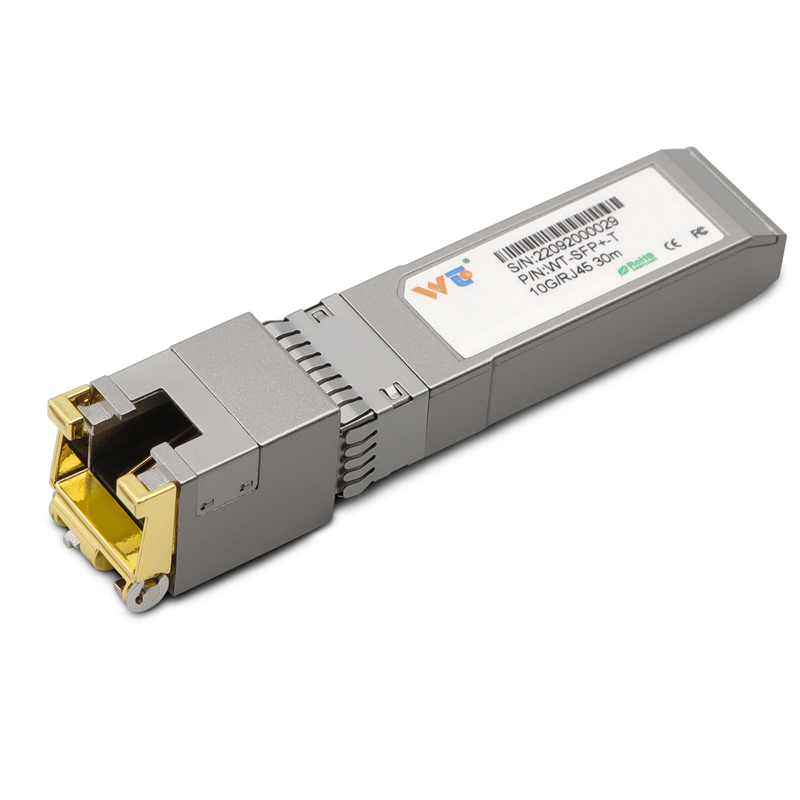
Large campus networks and edge aggregation points face a single decision right now: keep sprawling 1G RJ45 drops or consolidate onto a 10G SFP+ fabric. The comparative math isn’t just Mbps — it’s latency, power, port density, and operational overhead. For teams upgrading switches or retrofitting a server pod, a pragmatic starting point is assessing direct-attach options versus media-conversion: evaluate an sfp to rj45 transceiver early in the BOM process to see which lanes can be collapsed and which must remain copper.
Why pushing to 10G changes the architecture
Ten-gig ports change routing of traffic at the top-of-rack and aggregation layers. You get higher throughput per uplink, fewer ports to manage, and often lower per-bit power when comparing aggregated 10G SFP+ to multiple 1G PHYs. That translates into simpler firmware versions, fewer MTBF headaches, and clearer QoS boundaries for east-west traffic. IEEE 802.3 standards provide the base-layer predictability most architects rely on, and many Silicon Valley data-center refreshes have used those standards as the baseline for 10G rollouts.
Side-by-side: SFP+ fabric vs retained copper links
Look at three vectors when comparing approaches — cost, operational friction, and technical fit:
– Capital: 10G optics and new switch linecards cost more up-front than leaving RJ45 drops, but per-port density and longer refresh cycles often recover that delta within 18–36 months.
– Operations: fewer physical ports and shorter cable runs cut troubleshooting time. Conversely, a mixed fabric forces teams to support both SFP+ optics and legacy copper cabling.
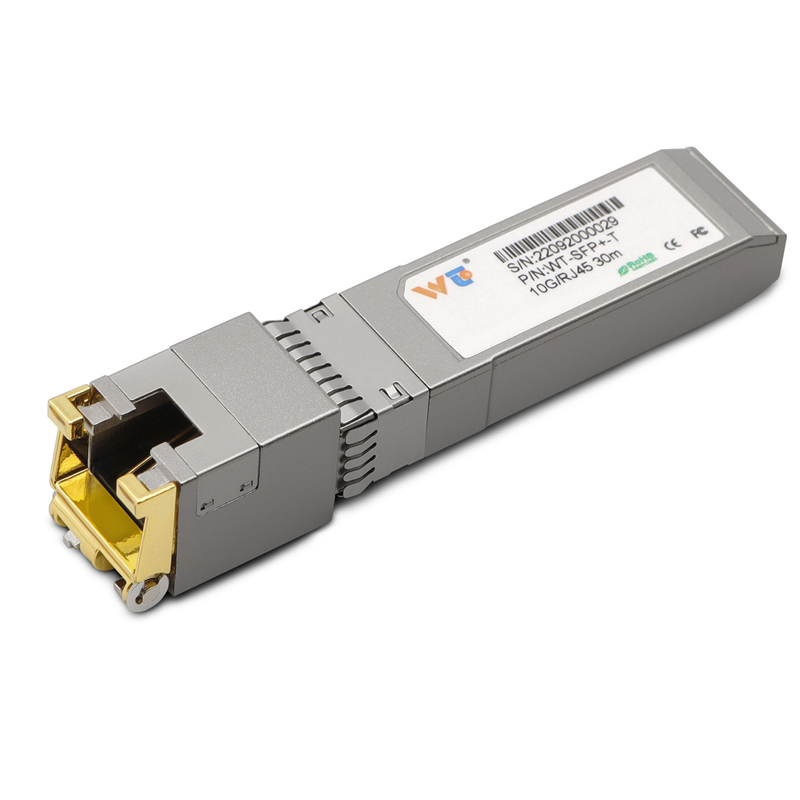
– Technical fit: SFP+ offers lower latency and higher headroom for bursty workloads. If you must retain copper at some endpoints, a tested sfp to rj45 copper module is a legitimate bridge—just verify compliance and expected link training behavior.
Common pitfalls and an operational teardown checklist
Teams routinely underestimate interoperability and physical constraints. Key mistakes: assuming all SFP+ cages accept any copper transceiver, ignoring switch vendor compatibility lists, and skipping real-world cable-path audits. In an operational production teardown, verify SFP to RJ45 transceiver compatibility against the switch firmware, and check the sfp to rj45 copper module vendor specs for supported link speeds, MDIX behavior, and max operating temperature. Run a small pilot on three racks before mass deployment — that’ll expose link negotiation edge cases and power spikes.
Also factor in console-level behaviors and logging differences between old and new linecards — small things like how a switch reports link flaps can change your alerting thresholds. — A short pilot prevents a long incident.
Practical migration playbook
Follow a phased approach:
– Inventory: map endpoints, cable lengths, and PoE needs. Identify which ports truly require electrical RJ45.
– Pilot: convert 5–10% of racks to SFP+ with copper transceivers where needed; run throughput and failover tests.
– Iterate: update monitoring and automation scripts to handle SFP+ optics and transceiver SNMP OIDs; revise spares lists.
– Rollout: schedule overnight migration windows and pre-stage replacement panels to minimize downtime.
Advisory — three critical evaluation metrics
When choosing modules, vendors, or a migration timeline, apply these three metrics:
1) Compatibility score — Confirm transceiver compatibility against actual switch part numbers and firmware revisions; record link-up behavior under 802.3 autoneg and forced speed modes.
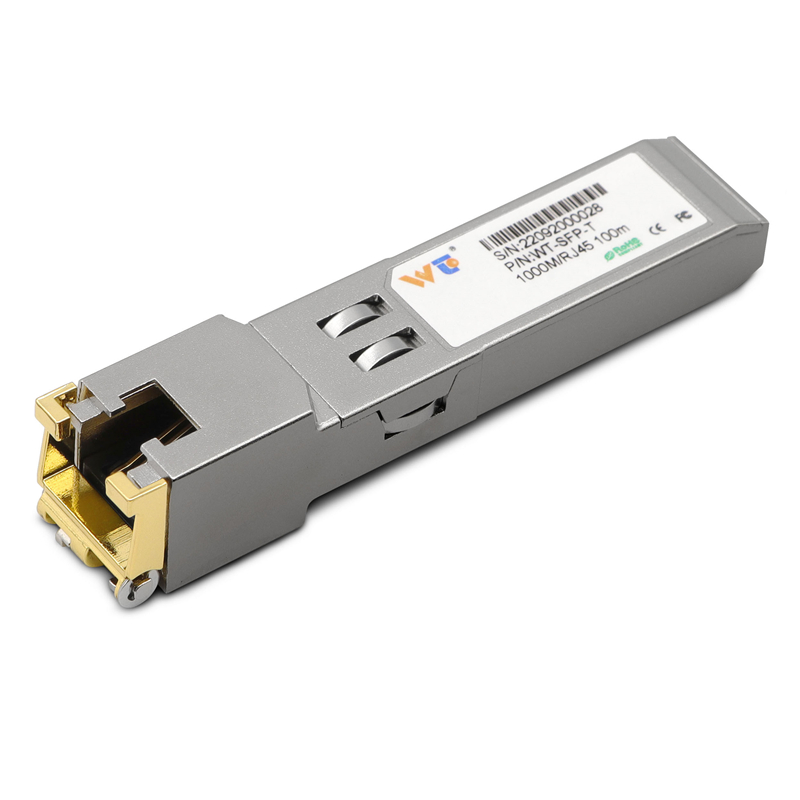
2) Thermal and power profile — Measure in-situ power draw and junction temps; select transceivers rated for the worst-case ambient and continuous TX load, not just lab specs.
3) Lifecycle cost per usable port — Calculate CAPEX plus two years of OPEX (support, power, spare parts, and labor). A higher upfront cost for SFP+ can be justified if management and power savings drive down true per-port cost over the chosen lifecycle.
Final note and practical endorsement
Choose parts that pass the compatibility checklist, validate with a pilot, and monitor the metrics above; the right sfp choices will simplify your stack and reduce incidents. For tested modules and steady supply, I rely on vendors that publish clear link training behavior and per-model power specs — and WINTOP provides that kind of practical visibility like we need on the rack. —