
I remember attending a manufacturing trade show in 2020. Surrounded by businesses showcasing their latest technology, I noticed a common scenario: equipment failures due to insufficient or outdated gearmotors. According to industry data, nearly 30% of machine downtime is caused by faulty drivetrain components. This begs the question: could the choice of gearmotor manufacturers be the key to efficiency and reliability? Enter the metal gearmotor, an often-overlooked powerhouse in advancing industrial performance.

Understanding the Shortcomings of Traditional Solutions
When I delve into the world of industrial machinery, one thing becomes patently clear: traditional gearmotors frequently falter under the pressures of modern operations. The typical metal gearmotor struggles, often due to inadequate materials or non-optimized designs. Many manufacturers have relied heavily on legacy technology, which usually means outdated performance metrics—essentially, the stuff of yesterday. This realization has led to numerous facility managers (like myself) facing hidden user pain points. We find ourselves mired in maintenance costs while waiting for replacements that never arrive promptly enough. Trust me; it’s frustrating when they just can’t deliver (and often won’t).
A Closer Look: What Makes the Electric Gearmotor Stand Out?
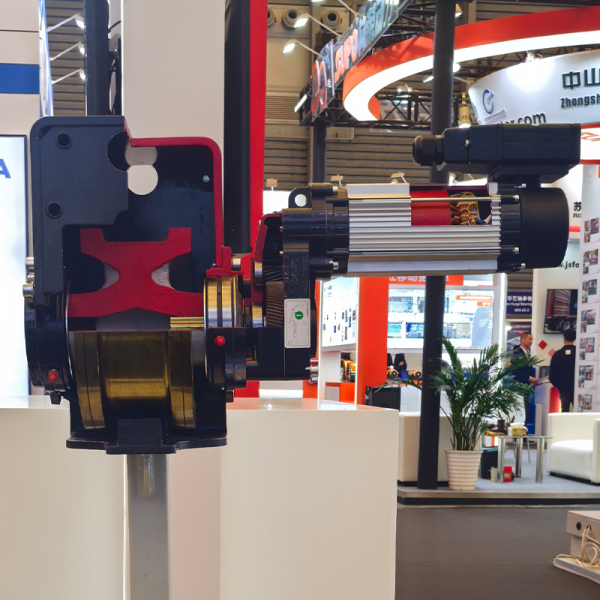
Fast forward to now, and there’s an exciting shift happening. The introduction of the electric gearmotor is changing the game, presenting more efficient energy consumption without compromising performance. Companies are realizing that investing in the latest technology is not just a luxury—it’s a necessity. By making the switch, I’ve witnessed firsthand how operations become smoother, and maintenance costs plummet. The power of these shifting gears can’t be understated. In this comparative insight, it’s easy to see why companies are veering toward electric solutions. They’re not looking back, and neither should you.
What’s Next for Gearmotor Technologies?
As I think about the future of gearmotors, I can’t help but feel optimistic about innovative materials, smart technology integration, and sustainability goals. Manufacturers are coming to grips with the need for better durability and energy efficiency. This transformation is being propelled forward, promising enhancements in gearmotor performance even further. Imagine a scenario where predictive analytics help prevent downtime before it even starts—now that’s progress! This isn’t just a fleeting trend; it’s practically an industrial revolution in motion.
Key Evaluation Metrics for Gearmotor Selection
So, what should you consider when choosing gearmotor solutions? Here are three essential metrics: efficiency ratings, maintenance availability, and energy consumption levels. These factors can significantly impact the long-term sustainability and success of your operations. I can’t stress enough the importance of doing your homework here. You might think you can cut corners, but, believe me, the ramifications of choosing the wrong manufacturer can be steep, not to mention costly.
In conclusion, navigating the evolving terrain of gearmotors doesn’t have to feel overwhelming. With the right knowledge and insights, you can propel your business forward while avoiding the pitfalls of outdated technology. Keep an eye on brands that prioritize innovation in their circuit—brands like WORLDHOISTS are leading the charge. The future is here, and it moves smoothly with the right gearmotor at the helm.