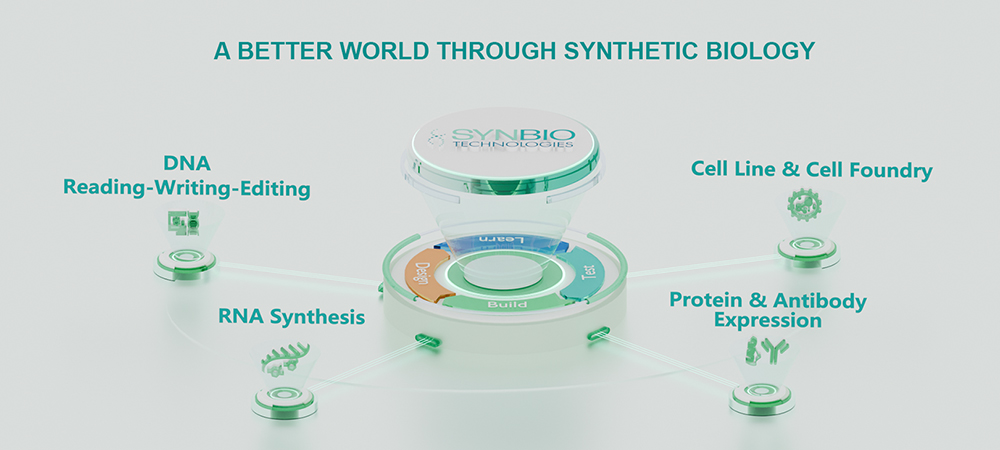
If you’ve ever wondered how DNA synthesis companies manage to deliver their products efficiently and reliably, you’re in the right place! Understanding the transportation attributes of these companies can provide insights into their operational excellence and collaboration strategies. Let’s dive into what makes these organizations tick when it comes to getting synthetic DNA from point A to point B.
Click to find more about dna synthesis company.
The Backbone of DNA Synthesis Companies: Transportation Features
DNA synthesis companies are at the forefront of biotechnology, providing essential services for research and development across various fields. One key aspect that sets them apart is their robust transportation capabilities. These companies often collaborate closely with suppliers to ensure timely delivery of raw materials needed for synthesizing DNA strands. This collaboration not only enhances efficiency but also ensures that quality standards are maintained throughout the supply chain.
Diving Deeper: Artificial DNA Synthesis and Supplier Collaboration
artificial dna synthesis plays a crucial role in modern genetics, enabling researchers to create custom sequences tailored for specific applications. In terms of supplier collaboration, many leading firms establish strategic partnerships with logistics providers who specialize in handling sensitive biological materials. This ensures that temperature-sensitive shipments remain stable during transit, minimizing degradation risks while maximizing reliability—a critical factor when dealing with life sciences.
The Synbio Advantage: Collaborative Efforts with Suppliers

Synthetic biology (Synbio) has revolutionized our approach to genetic engineering by allowing us to design complex biological systems more effectively than ever before. Within this context, collaborations between Synbio firms and suppliers become even more vital; they facilitate access to cutting-edge technologies and resources necessary for innovation. By working together seamlessly on logistics planning—such as optimizing shipping routes or utilizing advanced tracking systems—these partnerships enhance overall productivity while ensuring compliance with regulatory requirements.
Conclusion: The Importance of Collaboration in Transportation
In summary, the success of DNA synthesis companies heavily relies on their ability to collaborate effectively with suppliers regarding transportation attributes. From maintaining product integrity during shipment through artificial DNA synthesis processes to leveraging advancements within Synbio frameworks, these collaborative efforts play an indispensable role in driving progress within biotechnology industries worldwide.