The Hidden Middleman Problem in Home Energy
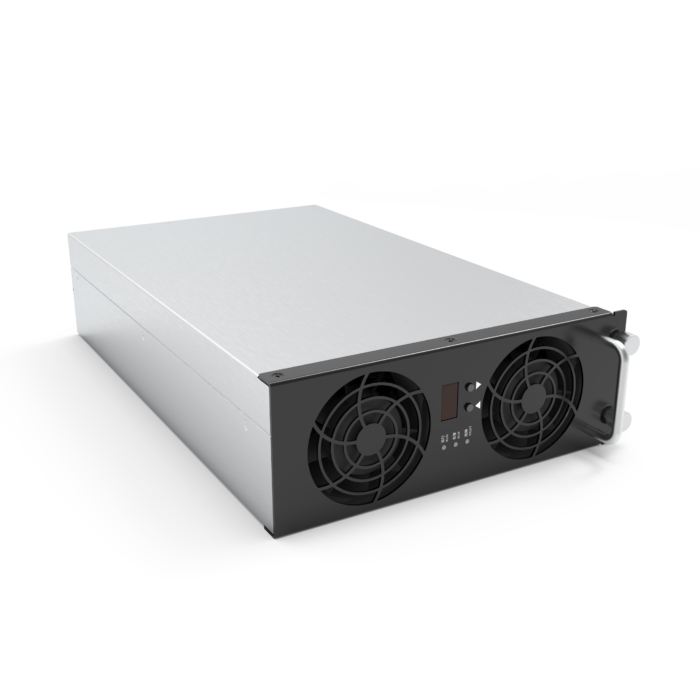
Here’s the truth: the weak link isn’t your car or your house—it’s what connects them. A bidirectional EV charger now sits at that link, routing energy in both directions. But the real workhorse inside is the isolated DC DC module 20. Picture a windy night, lights flicker, and you want your EV to keep the fridge on and the Wi‑Fi alive. Utility dashboards show peak demand bunching up in the evening, and homes feel it. So why do many setups still stumble—slow cutovers, warm enclosures, and noisy fans? The old gear leans on AC detours, and that means double conversion, lag, and wasted cycles (not great when the battery is your lifeline).
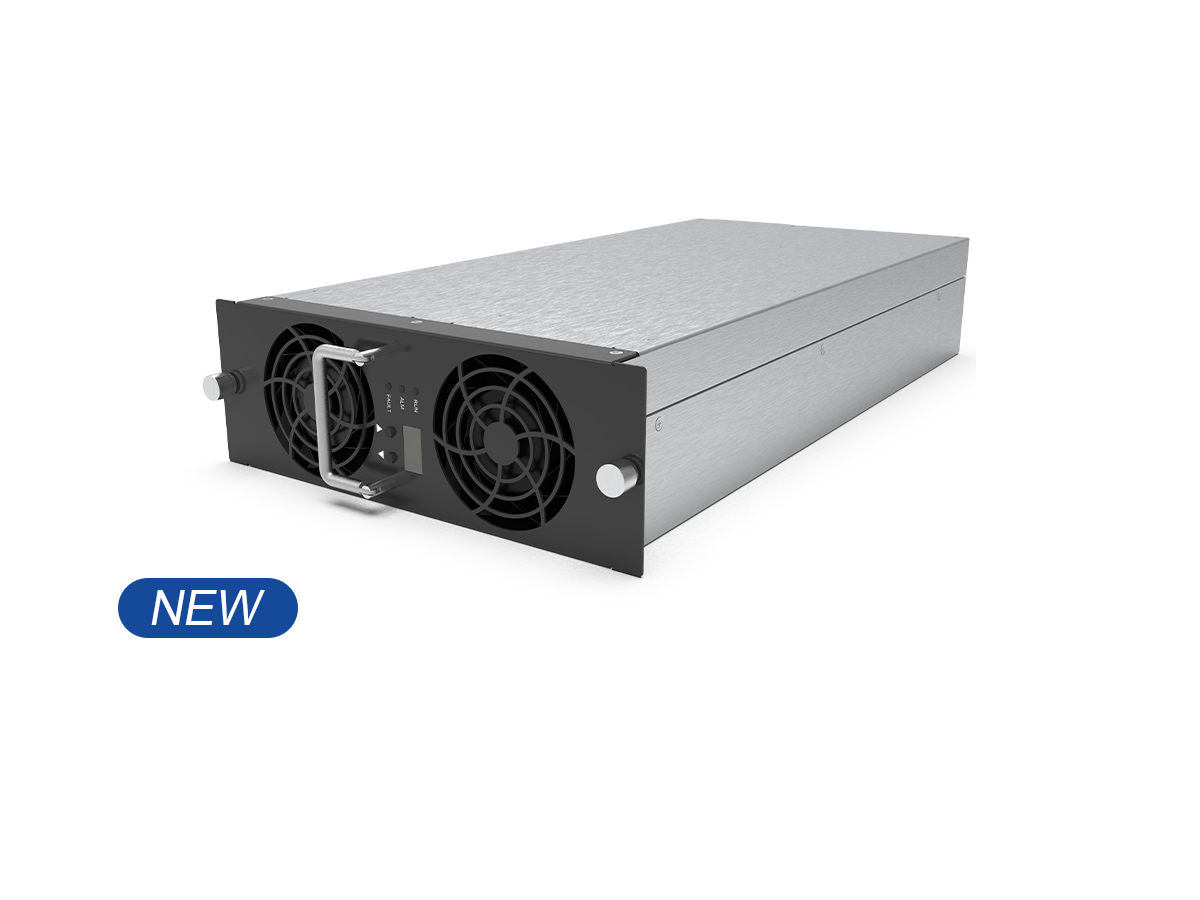
Traditional AC-coupled paths push energy through multiple power converters before it ever helps your loads. Each hop adds ripple and heat on the DC bus—funny how that works, right? This is where the module-level design matters. A well-built isolated stage cuts harmonics, isolates faults, and trims losses at the source. Look, it’s simpler than you think: fewer stages, faster control loops, steadier voltage. The pain points you feel—relay clicks, dim lights on switchover, “why is my garage so hot?”—trace back to conversion overhead and slow response. A 20 kW isolated stage with clean control over current and voltage can shave seconds to milliseconds. That means safer operation and better use of your battery’s state of charge without the drama.
From Old Inverters to Smart Modules: A Comparative Leap
What’s Next
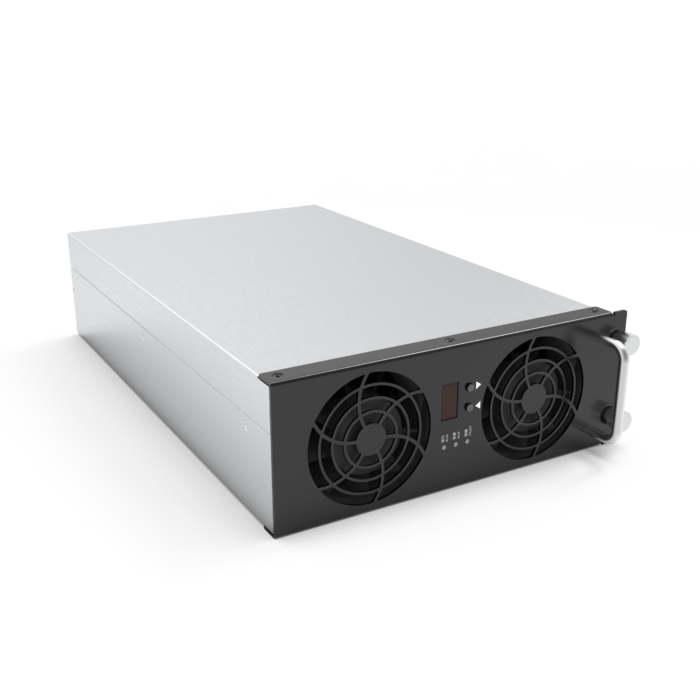
Here’s the shift in principle: put intelligence and precision at the DC core, not at the AC edge. Modern designs use high-voltage rails and SiC-based power converters for faster switching, lower losses, and tighter control. A capable module—like a 950V charging module—stays efficient across a wide window, not just at full tilt. That matters when your house is sipping 800 watts at night, then jumps to 8 kW when the oven kicks on. Compare it to legacy AC-first paths: fewer conversion steps, less heat, and faster fault isolation. Add smart comms over CAN bus and ISO 15118-20, and your system can coordinate with rooftop solar, a home battery, or even grid services—without the rubber-band feel of slow controls.
In practice, this means smoother handoffs, cleaner power quality, and steadier thermal behavior under real loads. Thermal derating starts later, fans don’t scream, and response time sits in milliseconds, not seconds. The same 950V charging module can act like a guardrail against surges and a finely tuned throttle for your EV battery. Compared side-by-side, you avoid double conversion, trim line losses, and reduce wear on contactors. And yes—your lights stop dipping when the dryer starts. The result is boring in the best way: predictable, stable, and ready for tomorrow’s grid signals (demand response, V2H, even V2G as standards harden).
How to Judge the Next Upgrade
We’ve seen why the middle layer matters and how DC-first modules change the game. When you compare options, use three checks. First, measure round-trip efficiency at partial load—10% to 40% is where homes live most days, so ask for curves, not just a single headline number. Second, confirm control and communications: CAN bus robustness, ISO 15118-20 features, and response time under load steps; fast, stable loops beat marketing claims. Third, look at thermal and safety: derating curves at real ambient temps, isolation ratings, and protection features like islanding and short-circuit handling. Pick by data, not buzzwords—and your EV will quietly power more of your life with less fuss. For a grounded starting point, see winline charging station.