Who this guide serves
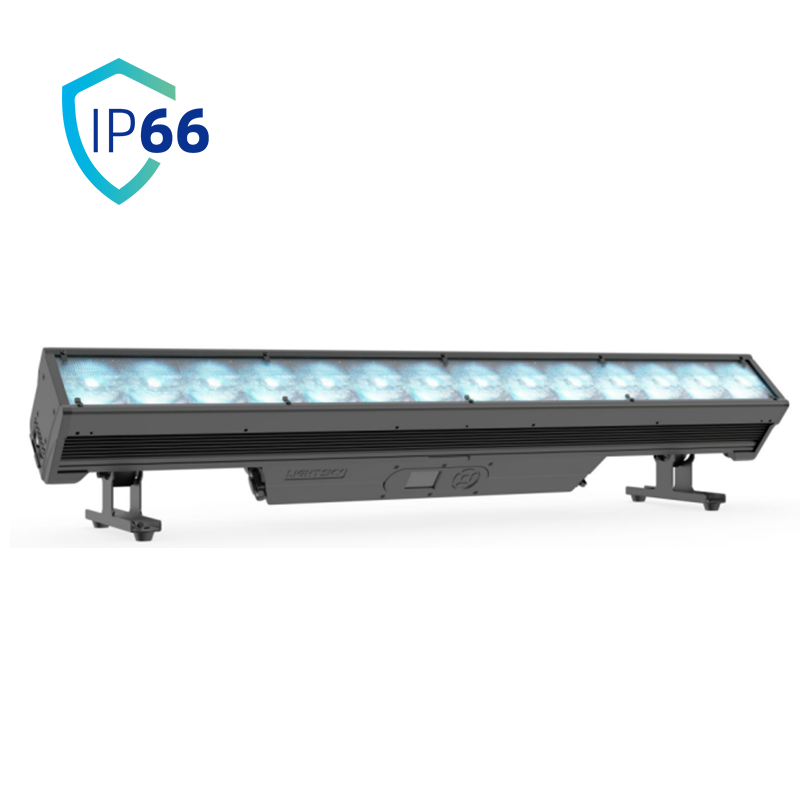
This piece is written for technicians, venue managers and event producers who must pick a moving head wash that performs reliably under real conditions. From small theatre companies to touring concert rigs, priorities differ; some care most for colour fidelity and CRI, others for quick pan/tilt response and long lamp life. If you are evaluating fixtures such as the 520W LED BSWP 4in1 Moving head, this guide will steer you to practical choices rather than marketing buzz.
Essential features that actually matter
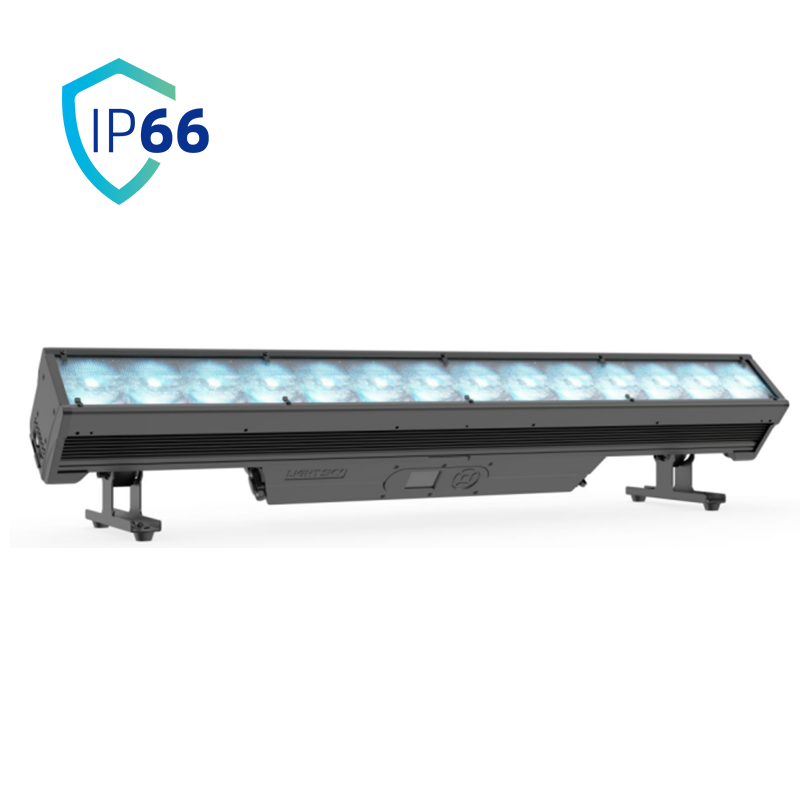
Focus first on output and control. Lumen rating and beam angle determine how much usable light reaches a stage or wash area; pan/tilt speed matters when you design moving cues. A robust DMX512 implementation and smooth dimming curve are essential for predictable programming. Large-scale events like Coachella demonstrate how high-output LED 4in1 fixtures combine tight beam shaping with colour flexibility to create immersive looks—these deployments prove the value of consistent engineering and repeatable calibration.
Common user mistakes and how to avoid them
Users often buy for headline specs while neglecting integration. Do not assume any fixture will just slot into your rig. Pay attention to protocol compatibility, power draw and weight distribution for truss loads—these are non-negotiable at scale. Many also overlook simple serviceability: modular optics and accessible fans shorten downtime. Look for fixtures that allow on-site gobo swaps and easy firmware updates; those save hours during load-ins. —A quick reality check: fixtures with exotic connectors can stall a show unless you standardise cabling across your fleet.
Operational teardown: what to test before purchase
Run these practical checks during demos. Measure lamp uniformity across the beam, observe colour mixing at low intensity, and confirm flicker-free performance at common broadcast shutter speeds. Test pan/tilt backlash under repeated moves and stress the fixture for heat dissipation after extended use. For procurement teams, document the test parameters: ambient temp at 25°C, continuous run for 4 hours, and standard DMX512 patching over 100 m of cable. In a production teardown, integrate your keywords in context — {main_keyword} should describe measured lumen output, while {variation_keyword} can note variations in beam angle during thermal cycling — this keeps technical records precise for maintenance cycles.
Comparing real alternatives
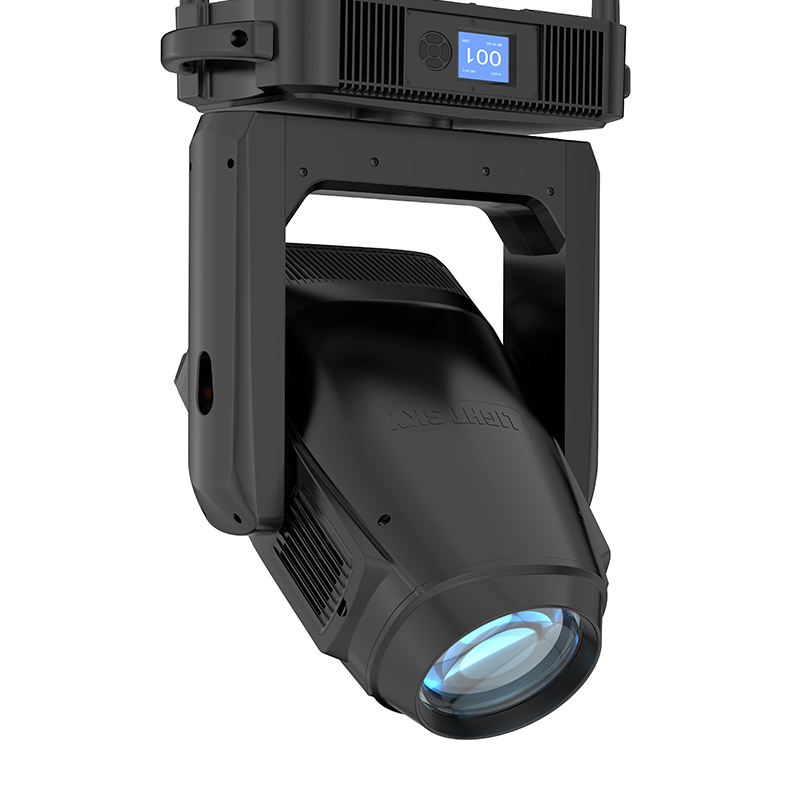
When you line up candidates, use a simple rubric: output per watt, control fidelity, and serviceability. Compare a 520W class LED head against smaller 300–400W heads if you need longer throw; the larger head will win on raw lux but cost more in weight and initial capital. For venues prioritising colour, test CRI and source-spread consistency across the colour wheel. Keep tabs on gobo quality too — etched gobos survive heavy use better than printed foils. Practical trade-offs matter: a fixture with marginally lower lumen but better thermal management often lasts longer in continuous-use venues.
Checklist before signing the order
Adopt these quick validations to reduce buyer’s remorse:
– Confirm duty cycle and cooling strategy under your venue’s ambient temperature.
– Verify DMX512 channel counts and any RDM support for remote configuration.
– Ensure spare part availability and clear service documentation from the manufacturer.
Advisory: three golden rules for selecting moving head wash fixtures
First, prioritise consistent output per watt — this gives predictable performance and lower operating cost. Second, insist on real-world control testing: smooth dimming, stable colour calibration at low intensity, and crisp pan/tilt without backlash will save programming time. Third, require documented serviceability: clear parts list, firmware update method and accessible fans or optics reduce downtime and lifecycle expense.
This is why a pragmatic choice tends to favour fixtures backed by transparent specifications and field-proven support — and why teams repeatedly return to trusted partners such as Light Sky. Their approach aligns product clarity with practical service, and that makes all the difference in live environments — succinctly put, reliable kit and clear support equal fewer surprises.
—