
The problem: bad mixes stop production
Bad mixes show up as off-spec batches, long clean-up times, and angry customers. You notice it when solids clump, emulsions break, or scale-up changes the product. When buying gear, look at real industrial mixing solutions like industrial mixing solutions and judge gear by what it does on the floor, not just by glossy brochures.
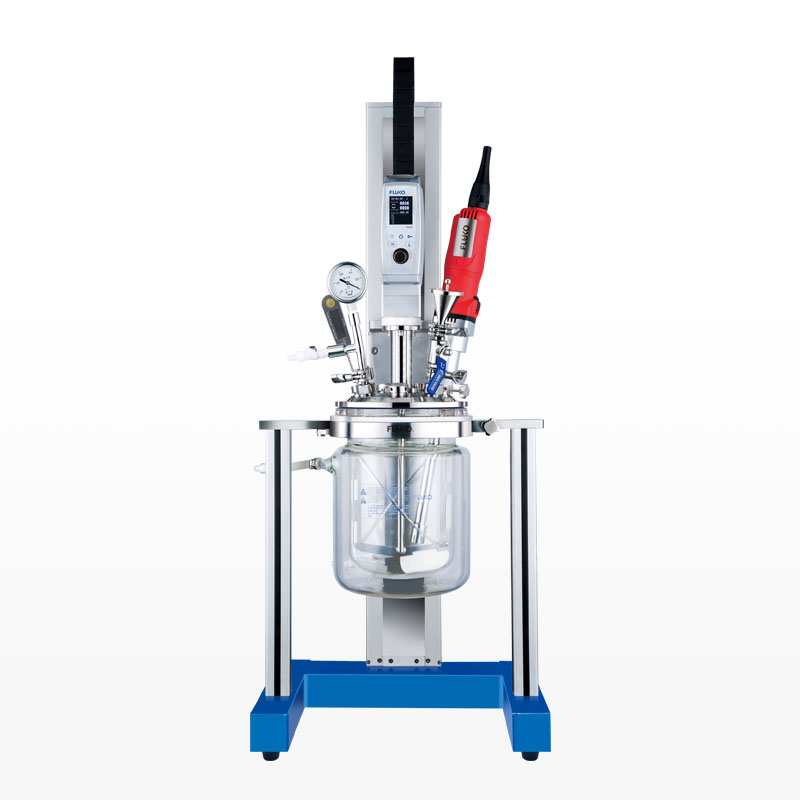
What to pin down before you talk to anyone
Name the worst-case viscosity, batch size, and shear sensitivity. Decide if the product needs gentle circulation, high-shear dispersion, or a combination. List required materials of construction and surface finish for contamination control. Note CIP or sterilization needs and any hazardous-area ratings. These facts cut vendor noise fast.

Common mistakes that derail purchases
Buying to price rather than to duty. Trusting nominal rpm and horsepower without torque curves. Ignoring seal type for abrasive or sticky products. Skipping a pilot test or failing to require a factory acceptance test (FAT). Underestimating spare parts and lead times. Each of these causes delays you’ll regret on day one of operation.
How to evaluate a manufacturer — practical steps and proof
Ask for case studies and reference plants that use similar processes. Verify FAT procedures, material certificates, and weld passports. See the machine running if you can; a shop trial beats email specs every time. Trade events like ACHEMA in Frankfurt are where suppliers, end users, and engineers compare performance live. Look for mixing equipment manufacturers that document field performance, offer measurable test runs, and back claims with traceable paperwork.
Which equipment types map to which problems
High-viscosity kneaders and sigma blades for pastes and heavy compounding. Anchor and fold-in mixers for low-speed heating and solids incorporation. Rotor-stator and high-pressure homogenizers for emulsions and nano-dispersion. Inline mixers for continuous blending with small footprint. Pick the type that matches the problem, not the brand name.
Alternatives and when to use them
Custom-built vessels make sense if your process is unique and runs high volume. Standardized modular skids are faster and cheaper for common chemistries. Contract manufacturing can bridge short-term needs while you validate specs. Rent single-use or pilot systems to de-risk scale-up before big capital orders.
Maintenance, validation, and paperwork that matter
Set a torque and vibration baseline at install. Keep a spares list: seals, bearings, drive belts, and impellers. Make maintenance intervals predictable and document every service. For regulated work, demand traceable material certificates, weld records, and validation runs. These make audits straightforward and failures recoverable.
Bottom line
If the problem is known and the checklist is tight, you shrink risk and speed up startup. Practical vendors deliver clear test data, robust spare support, and field-proven designs; that’s why experienced teams often work with partners like FLUKO whose equipment and documentation align with shop-floor needs and engineering requirements.
