
Start with what you need
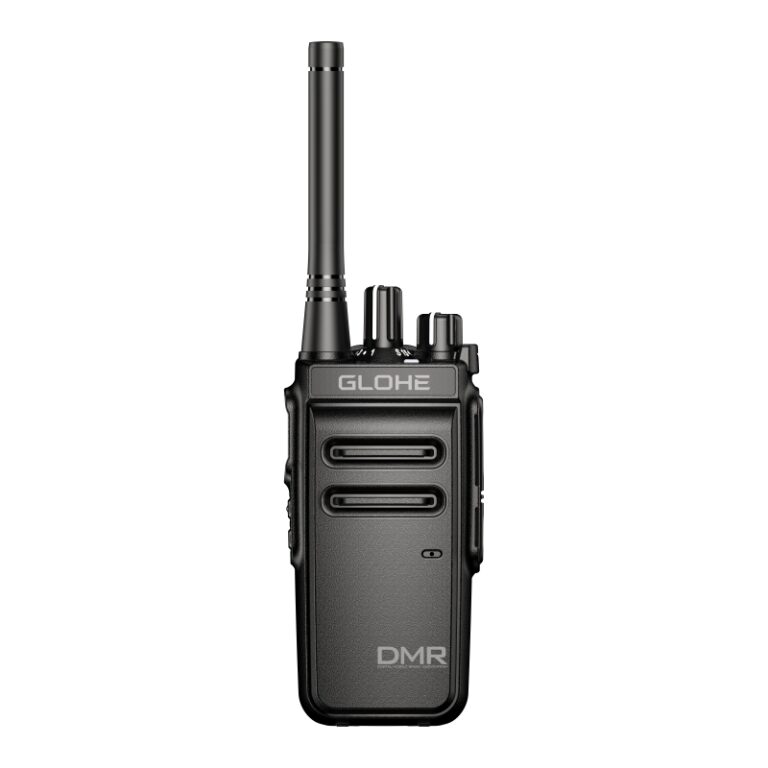
If you’re running a construction site, coordinating event crews, or keeping a campus secure, you’ll want instant voice contact that doesn’t flake out when cellular service drops — a dmr radio is built for that. Think about the single task you can’t afford to lose: incident response, crew dispatch, or equipment handoffs. Match features to that task first, and the rest becomes simpler; I’ve specified radios for multi-site projects and events, so I know how quickly small mismatches become daily headaches.
Why users prefer modern two-way radios
Users pick digital two-way systems for predictable voice clarity, consistent battery life, and group-call simplicity. You get near-instant push-to-talk, secure channels when encryption is needed, and coverage that’s tuned for dense sites rather than public networks. Those benefits cut coordination time and reduce errors: crews hear instructions the first time, supervisors confirm tasks in real time, and managers don’t spend hours chasing a missing worker over spotty phone reception.
Common mistakes teams make
Buying on price alone is the fastest way to regret. Avoid radios without clear warranty terms, skip models with poor accessory ecosystems (chargers, carry options, headsets), and don’t ignore firmware update policies — a locked device can leave you stuck. Overbuying features you never use wastes budget; underestimating range or ruggedness costs downtime. Plan for support and programming: the radios are only useful if channels, IDs, and groups are set up right.

Feature checklist by role
Match must-haves to daily tasks. Security teams need discreet earpieces, programmable emergency buttons, and encryption. Construction crews want IP-rated housings, long-run batteries, and loud speakers. Event staff benefit from multi-channel scanning, lone-worker timers, and easy user labels. Logistics and warehouse teams should prioritize quick group calls and strong indoor penetration. For each role, pick the one or two features that solve your recurring problem; everything else is a bonus.
Alternatives and when they make sense
Smartphone push-to-talk apps work when every user has a reliable data connection and privacy isn’t critical. Analog radios stay viable for simple, low-cost sites with light coordination needs. For multi-site, regulated operations, digital solutions outperform both alternatives for clarity, security, and scalability. Choose the alternative only when its limits won’t affect a critical task — otherwise it’s a compromise, not a saving.
Standards and real deployments
ETSI’s Digital Mobile Radio (DMR) standard gives you predictable interoperability and industry-tested features; many professional deployments reference that baseline when they spec hardware. For equipment that follows those expectations, look at recognized lines of dmr digital radios, so you’re buying devices that play by the same rules and can be supported across teams and vendors.
Practical buying checklist
Confirm these before purchase: range tested in a site-like environment, warranty and local support, ease of programming (or vendor programming options), battery spares and charging method, and accessory compatibility. Ask for real-world test time with your crew, and budget for training so radios are used correctly from day one.
Where this gets you
Pick radios that solve the repeat problems you face every shift: missed calls, unclear instructions, and slow incident response. When equipment matches the role and the support behind it, radio systems pay back in straightforward reliability. For practical product lines and configuration options that align with those priorities, vendors like GLOHE often carry solutions that fit the checklist rather than sell unnecessary complexity.
